
ezekial bread recipe

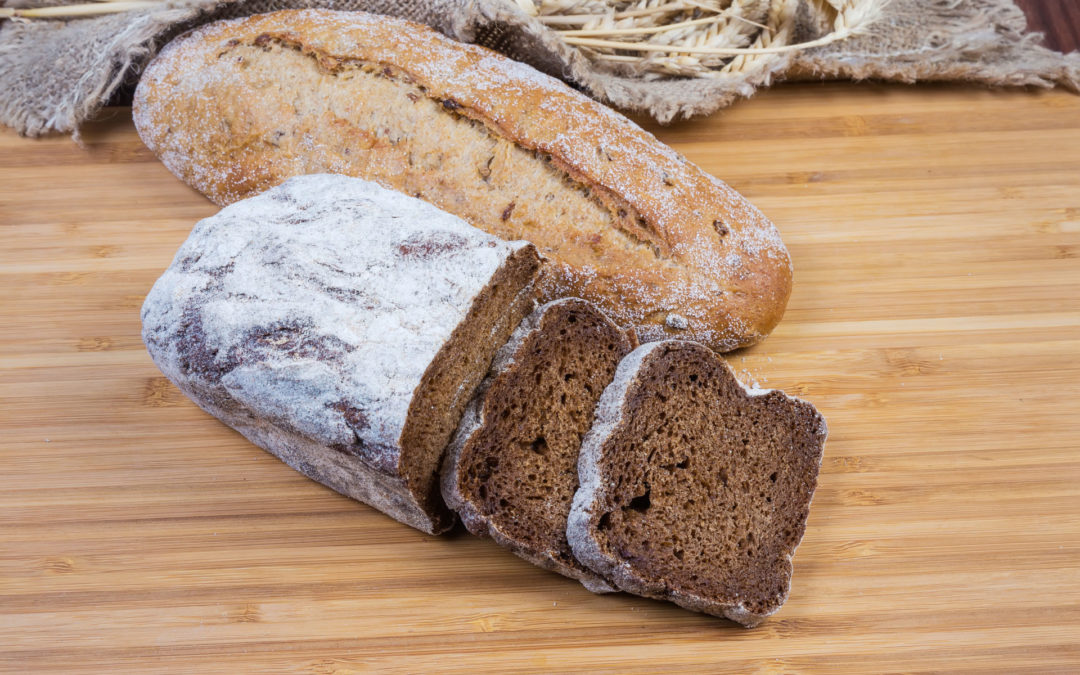
The Best ezekial bread recipe
What I love most about this recipe is how versatile it is. We use it for everything—avocado toast in the mornings, grilled cheese for quick lunches, or even as the base for homemade stuffing when the holidays roll around. It’s one of those rare breads that works for daily eating but still feels special enough for guests. Plus, because it’s made with sprouted grains, it’s easier to digest and packed with more nutrients than your average loaf. The fiber keeps everyone full longer, and I don’t have to worry about the sugar crash that comes with white bread. It’s a simple recipe, but it’s become a staple in our kitchen for a reason.

Ezekiel Bread Recipe
A nutritious and protein-rich bread inspired by the biblical Ezekiel 4:9 recipe, made with sprouted grains and legumes. This wholesome loaf is packed with fiber, vitamins, and minerals for a hearty, healthy option.
🥘Ingredients
- 1/4 cup dry green lentils
- 1/4 cup dry wheat berries
- 1/4 cup dry spelt berries
- 1/4 cup dry barley
- 1/4 cup dry millet
- 2 tbsp dry chickpeas
- 2 tbsp dry soybeans
- 3 cups whole wheat flour (or sprouted wheat flour)
- 1 1/2 tsp salt
- 1 1/4 cups warm water (110°F)
- 1/4 cup honey or maple syrup
- 1 packet (2 1/4 tsp) active dry yeast
- 2 tbsp olive oil or melted coconut oil
👨🍳Directions
-
1
Soak the grains and legumes: Rinse the lentils, wheat berries, spelt, barley, millet, chickpeas, and soybeans thoroughly. Place them in a large bowl, cover with water by 2 inches, and soak for 8-12 hours (or overnight). -
2
Drain and sprout: Drain the soaked grains and legumes in a fine-mesh strainer. Rinse well, then leave them in the strainer, covered with a damp kitchen towel, for 12-24 hours to sprout. Rinse and drain every 8 hours until small sprouts appear. -
3
Blend the sprouted mixture: Once sprouted, transfer the grains and legumes to a food processor or blender. Pulse until a thick, paste-like batter forms (add 1-2 tbsp water if needed). -
4
Activate the yeast: In a small bowl, mix warm water, honey, and yeast. Let sit for 5-10 minutes until frothy. -
5
Mix the dough: In a large bowl, combine the sprouted grain paste, flour, salt, yeast mixture, and olive oil. Stir until a sticky dough forms. If too dry, add 1-2 tbsp water. -
6
First rise: Cover the bowl with a damp towel and let the dough rise in a warm place for 1-2 hours, or until doubled in size. -
7
Shape the loaf: Preheat the oven to 375°F (190°C). Grease a loaf pan or line a baking sheet with parchment paper. Shape the dough into a loaf and place it in the pan or on the sheet. -
8
Second rise: Cover the loaf with a towel and let it rise for another 30-45 minutes. -
9
Bake: Bake for 40-50 minutes, or until the loaf is golden brown and sounds hollow when tapped. If the top browns too quickly, tent with foil. -
10
Cool: Let the bread cool in the pan for 10 minutes, then transfer to a wire rack to cool completely before slicing.
🔧Equipment
- Large mixing bowl
- Fine-mesh strainer
- Baking sheet or loaf pan
- Parchment paper
- Food processor or blender (optional)
- Kitchen towel
- Oven
📊Nutrition Facts (per serving)
📝Notes
Watch Video Of How Ezekiel Bread Recipe Works
❓ Frequently Asked Questions About Ezekiel Bread
1. What is Ezekiel bread, and how is it different from regular bread?
Ezekiel bread is a type of sprouted grain bread made from a combination of whole grains and legumes, including wheat, barley, millet, lentils, soybeans, and spelt. Unlike regular bread, which is typically made from refined flour, Ezekiel bread uses sprouted grains, which may improve digestibility and nutrient absorption. It’s also often free from added sugars and preservatives, making it a healthier alternative for some people.
2. Why do I need to sprout the grains before making Ezekiel bread?
Sprouting the grains activates enzymes that break down starches and proteins, making the nutrients more bioavailable and easier to digest. It also reduces antinutrients like phytic acid, which can interfere with mineral absorption. Additionally, sprouted grains can enhance the bread’s texture and flavor while potentially lowering its glycemic index.
3. Can I make Ezekiel bread without a bread machine?
Yes! While a bread machine simplifies the process, you can make Ezekiel bread by hand. After sprouting and blending the grains, mix the dough, knead it thoroughly, and let it rise in a warm place. Shape the dough into loaves and bake in a preheated oven at 350°F (175°C) for about 40–50 minutes. The key is ensuring the dough rises properly for a light texture.
4. How long does homemade Ezekiel bread last, and how should I store it?
Homemade Ezekiel bread typically lasts 3–5 days at room temperature if stored in an airtight container or wrapped in a clean kitchen towel. For longer storage, slice and freeze the bread—it can stay fresh for up to 3 months. To thaw, simply toast or microwave slices as needed. Since it lacks preservatives, refrigeration can dry it out faster.
5. Can I substitute any of the grains or legumes in the Ezekiel bread recipe?
While the traditional Ezekiel bread recipe follows a specific grain and legume blend, you can experiment with substitutions based on dietary needs. For example, replace soybeans with chickpeas or omit wheat if gluten-free (though the texture may differ). However, keep in mind that altering the ingredients may change the bread’s nutritional profile and rise. Stick to sprouted grains for the best results.