
guava jelly recipe

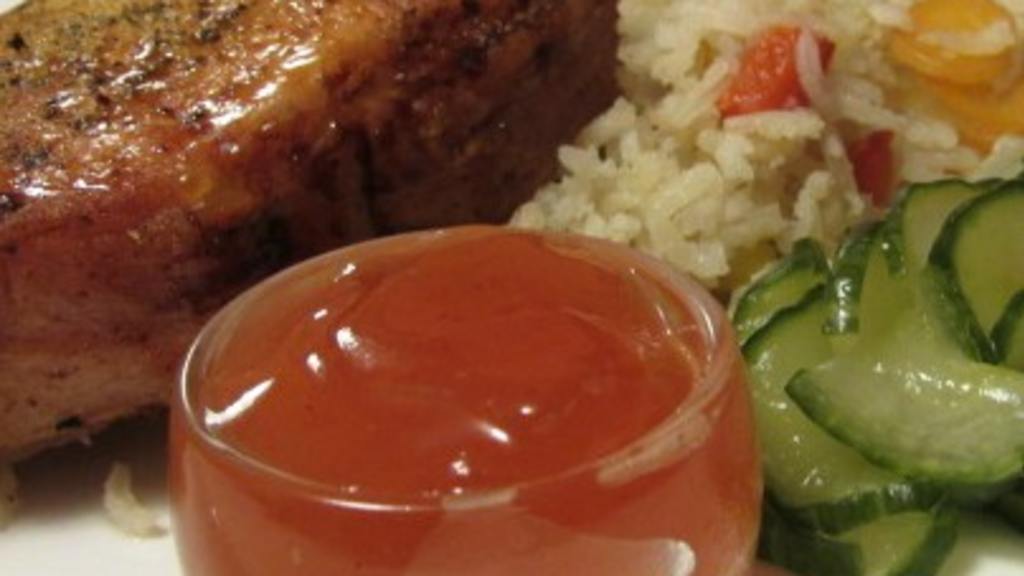
The Best guava jelly recipe
What I love most about this recipe is how easy it is to make with just a few ingredients, and how much better it tastes than anything you’d buy at the store. Guavas are packed with vitamin C and fiber, so I feel good knowing my family is getting a little nutritional boost with every bite. Plus, it’s a great way to use up ripe guavas before they go bad—something that happens fast in our house since we always seem to buy too many. Whether you’re making it for a special occasion or just because, this jelly is a winner. It’s sweet, tangy, and just the right amount of sticky, and it never lasts long in our kitchen.
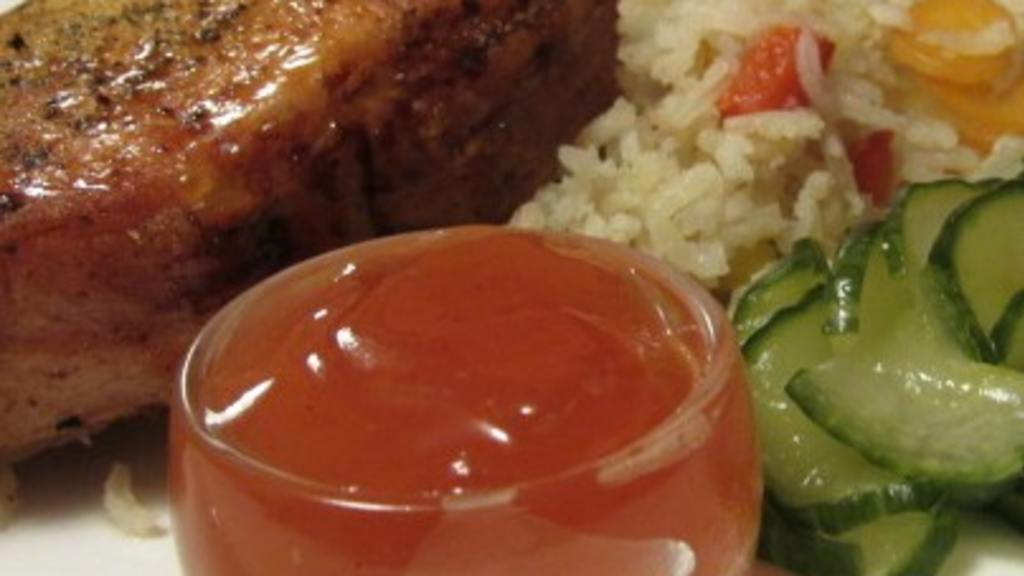
Homemade Guava Jelly
A sweet and tangy guava jelly that’s perfect for spreading on toast or pairing with cheese. This easy recipe captures the tropical flavor of ripe guavas in a smooth, glossy jelly.
🥘Ingredients
- 4 cups ripe guava puree (about 2 lbs guavas)
- 2 cups water
- 3 cups granulated sugar
- 1/4 cup lemon juice
- 1/2 tsp butter (optional, to reduce foaming)
- Cheesecloth or jelly bag for straining
- Canning jars with lids (sterilized)
👨🍳Directions
-
1
Wash guavas thoroughly, remove stems, and chop into small pieces. Place in a large pot with water and bring to a boil. Reduce heat and simmer for 15-20 minutes until guavas are soft. -
2
Mash the cooked guavas with a potato masher or blend until smooth. Strain the puree through a fine-mesh strainer or cheesecloth-lined jelly bag to remove seeds and pulp. Measure 4 cups of strained guava juice. -
3
In a clean large pot, combine guava juice, sugar, and lemon juice. Stir well to dissolve sugar. Add butter if using to reduce foaming. -
4
Bring the mixture to a rolling boil over medium-high heat, stirring frequently. Once boiling, cook until the mixture reaches 220°F (105°C) on a candy thermometer, about 15-20 minutes. -
5
Test for doneness by placing a small amount on a chilled plate. If it wrinkles when pushed with a finger, it’s ready. If not, cook for 2-3 more minutes and test again. -
6
Remove from heat and skim off any foam. Ladle hot jelly into sterilized jars, leaving 1/4-inch headspace. Wipe rims clean, seal with lids, and process in a water bath for 10 minutes if canning for long-term storage. -
7
Let jars cool completely on a wire rack. Check seals after 24 hours. Store in a cool, dark place for up to 1 year or refrigerate after opening for up to 3 months.
🔧Equipment
- Large pot
- Wooden spoon
- Fine-mesh strainer or jelly bag
- Candy thermometer
- 8 half-pint canning jars
- Ladle
- Measuring cups and spoons
📊Nutrition Facts (per serving)
📝Notes
Watch Video Of How Homemade Guava Jelly Works
❓ Frequently Asked Questions About Guava Jelly
1. Can I use unripe guavas for making guava jelly?
Yes, you can use slightly unripe guavas for making jelly as they contain more natural pectin, which helps the jelly set better. However, fully ripe guavas will give a sweeter and more flavorful jelly. A mix of ripe and unripe guavas often works best for the perfect balance of flavor and texture.
2. Why did my guava jelly not set properly?
If your guava jelly didn’t set, it could be due to a few reasons:
– Insufficient pectin: Guavas naturally have varying pectin levels. Adding a bit of lemon juice or commercial pectin can help.
– Incorrect sugar ratio: Too much or too little sugar can affect the setting process. Follow the recipe’s sugar-to-fruit ratio closely.
– Undercooking: Jelly needs to reach the right temperature (usually 220°F/105°C) to set properly. Use a candy thermometer for accuracy.
– Over-stirring: Stirring too much while cooking can break down the pectin.
3. How long does homemade guava jelly last?
Properly canned and stored guava jelly can last up to 1 year in a cool, dark pantry. Once opened, store it in the refrigerator and consume it within 3-4 weeks for the best quality. If you notice mold, off smells, or changes in texture, discard it immediately.
4. Can I make guava jelly without added pectin?
Yes! Guavas naturally contain pectin, especially when slightly unripe. To ensure a good set without added pectin:
– Use a mix of ripe and unripe guavas.
– Add lemon juice (about 1-2 tablespoons per cup of guava pulp) to boost pectin levels.
– Cook the mixture until it reaches the gel point (220°F/105°C) and passes the “wrinkle test” (chill a spoonful on a plate—if it wrinkles when pushed, it’s ready).
5. What can I do with leftover guava pulp after making jelly?
Don’t waste the leftover guava pulp! Here are a few ideas:
– Guava syrup: Simmer the pulp with sugar and water, then strain for a sweet syrup to drizzle over pancakes or desserts.
– Smoothies: Blend the pulp with yogurt, honey, and ice for a refreshing drink.
– Guava cheese (queso de guayaba): Cook the pulp with sugar until thickened, then pour into molds to set into a sweet, sliceable paste.
– Baking: Use it as a filling for pastries, cakes, or thumbprint cookies.
– Fruit leather: Spread the pulp thinly on a baking sheet and dry in the oven or dehydrator for homemade fruit snacks.