
healthy ramen recipe

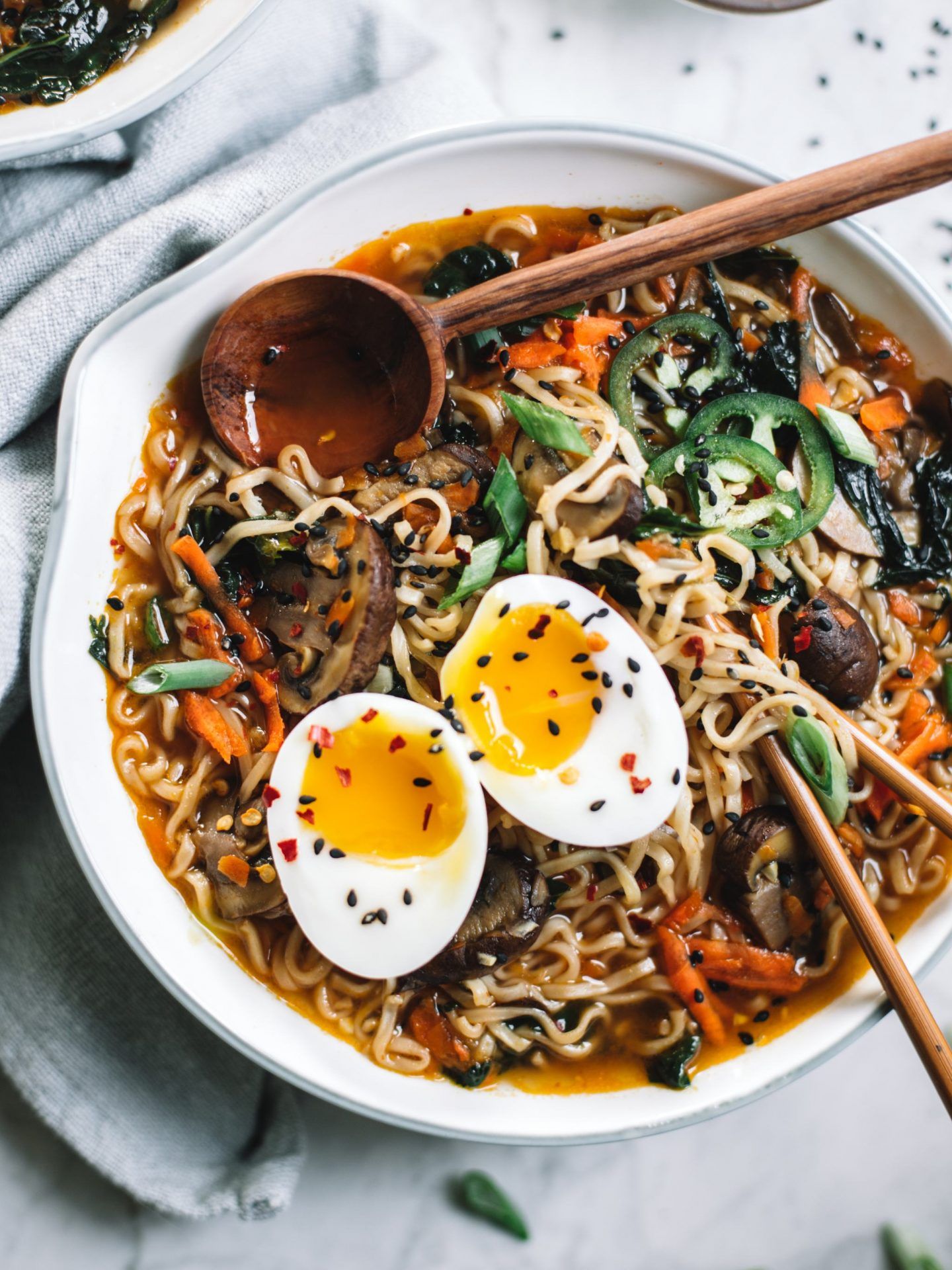
The Best healthy ramen recipe
What I love most about this recipe is how it balances comfort food with real nutrition. Traditional ramen can be heavy on sodium and processed ingredients, but this version swaps in whole, fresh ingredients without losing that satisfying, savory taste. I use whole wheat or brown rice noodles for extra fiber, load it up with colorful vegetables, and opt for a lighter broth that still packs a punch of flavor. My youngest even eats the bok choy without complaint, which is basically a parenting miracle. It’s proof that healthy eating doesn’t have to mean bland or boring—just smart swaps and a little creativity.
This ramen has become a staple in our house because it checks all the boxes: it’s budget-friendly, adaptable, and actually keeps you full instead of leaving you sluggish. Plus, it’s a great way to use up whatever veggies are lingering in the fridge. Whether you’re meal prepping for the week or just need a quick dinner after a long day, this recipe delivers without the guilt. And trust me, once you try it, it’ll be on regular rotation in your kitchen too.

Healthy Veggie-Packed Ramen
A nourishing and flavorful ramen bowl loaded with fresh vegetables, lean protein, and a light yet savory broth. Perfect for a quick, balanced meal that doesn’t compromise on taste.
🥘Ingredients
- 6 cups low-sodium vegetable or chicken broth
- 2 cloves garlic, minced
- 1-inch piece ginger, sliced
- 2 tbsp low-sodium soy sauce
- 1 tbsp rice vinegar
- 1 tsp sesame oil
- 1 tsp honey or maple syrup
- 200g firm tofu, cubed and pan-fried (or 200g cooked chicken breast, shredded)
- 2 cups baby spinach
- 1 cup shredded carrots
- 1 cup sliced mushrooms (shiitake or white)
- 1/2 cup sliced green onions
- 1/2 cup corn kernels (fresh or frozen)
- 2 soft-boiled eggs, halved (optional)
- 1 sheet nori, cut into strips
- 8 oz whole wheat or brown rice ramen noodles (or zucchini noodles for low-carb)
- 1 tbsp sesame seeds
- 1 tbsp chili oil or sriracha (optional)
- Fresh cilantro or basil leaves
👨🍳Directions
-
1
Prepare the broth: In a large pot, combine broth, garlic, ginger, soy sauce, rice vinegar, sesame oil, and honey. Bring to a simmer over medium heat and let it cook for 15 minutes to infuse flavors. Strain out the ginger and garlic if desired. -
2
Cook the noodles: While the broth simmers, cook the ramen noodles according to package instructions (usually 3-5 minutes in boiling water). Drain and rinse under cold water to stop cooking. Set aside. -
3
Prepare the toppings: In a skillet, sauté mushrooms and carrots for 3-4 minutes until tender. Add spinach and corn, cooking for another 1-2 minutes until spinach wilts. If using tofu, pan-fry cubes until golden brown. For eggs, soft-boil for 6-7 minutes, then peel and halve. -
4
Assemble the ramen: Divide cooked noodles among four bowls. Ladle hot broth over the noodles. Arrange toppings (tofu/chicken, vegetables, eggs, nori) on top. -
5
Garnish and serve: Sprinkle with sesame seeds, green onions, and fresh herbs. Drizzle with chili oil or sriracha if desired. Serve immediately.
🔧Equipment
- Large pot
- Skillet or frying pan
- Cutting board
- Knife
- Mixing bowls
- Slotted spoon
- Small pot (for eggs, if using)
📊Nutrition Facts (per serving)
📝Notes
Watch Video Of How Healthy Veggie-Packed Ramen Works
❓ Frequently Asked Questions About Healthy Veggie-Packed Ramen
1. Is this healthy ramen recipe really low in calories?
Yes! This healthy ramen recipe is designed to be lighter than traditional ramen by using low-sodium broth, lean proteins (like chicken or tofu), and plenty of vegetables. A typical serving contains around 300-400 calories, depending on your toppings and portion size. For even fewer calories, you can reduce the noodles or use zucchini noodles (zoodles) instead.
2. Can I make this ramen recipe gluten-free?
Absolutely! To make this ramen gluten-free, simply swap the regular ramen noodles for gluten-free noodles (like rice or buckwheat noodles). Also, check the labels on your soy sauce or tamari—opt for a certified gluten-free version. The rest of the ingredients (broth, veggies, protein) are naturally gluten-free.
3. How can I add more protein to this ramen without making it unhealthy?
Great question! You can boost protein in a healthy way by adding:
– Grilled chicken breast or shrimp
– Soft-boiled or poached eggs
– Silken tofu or edamame
– Lean ground turkey or shredded rotisserie chicken
These options keep the dish balanced while adding flavor and nutrition.
4. Can I meal prep this healthy ramen recipe?
Yes, but with a few tips to keep it fresh:
– Store broth, noodles, and toppings separately in airtight containers.
– Cook noodles al dente to prevent sogginess when reheating.
– Add fresh toppings (like herbs, green onions, or avocado) just before eating.
– The broth can be made ahead and frozen for up to 3 months.
5. What are the best vegetables to include for extra nutrition?
Load up on colorful, nutrient-packed veggies like:
– Leafy greens (spinach, bok choy, kale) – rich in iron and vitamins
– Mushrooms (shiitake, cremini) – boost umami and immunity
– Carrots & bell peppers – add crunch and vitamin C
– Bean sprouts – for texture and fiber
– Corn or peas – for a touch of sweetness and protein
Feel free to mix and match based on what’s in season!