
spanish chorizo recipe

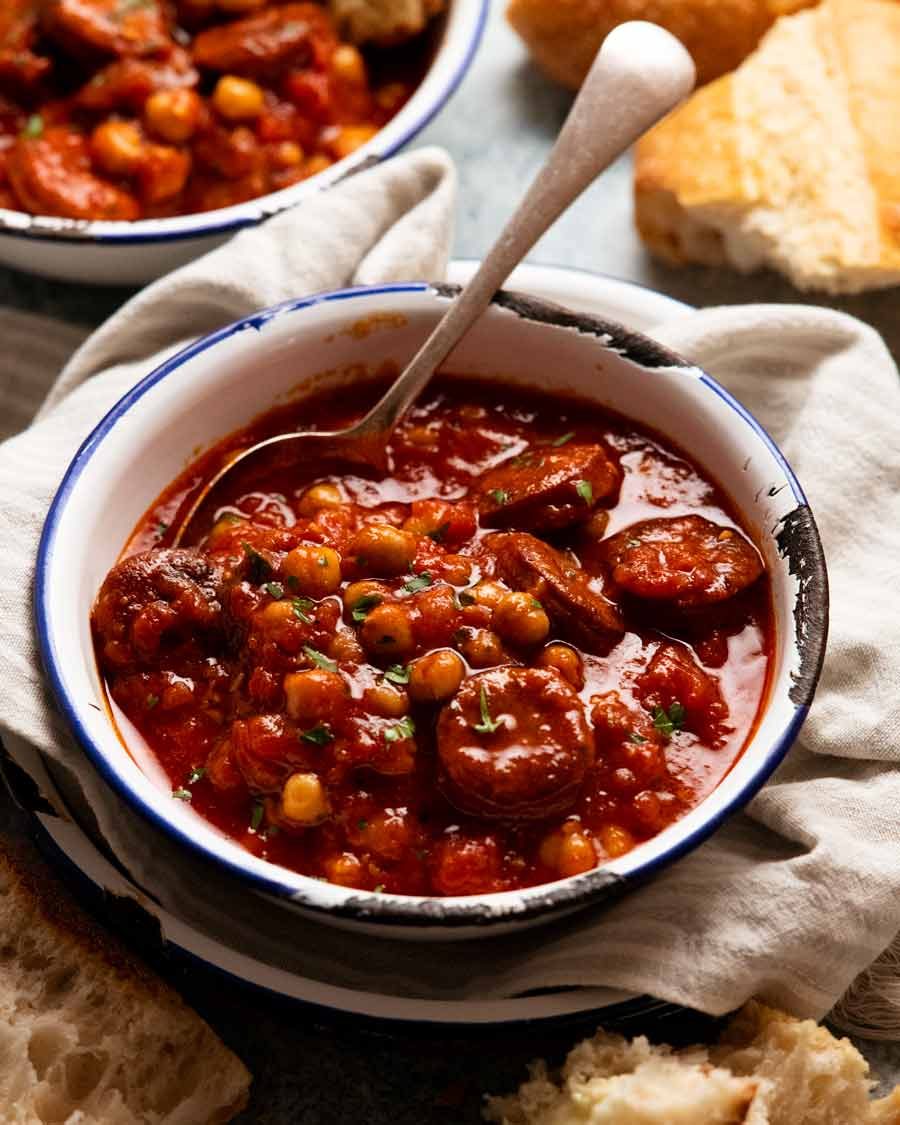
The Best spanish chorizo recipe
What I love most about this chorizo is how versatile it is. You can use it in so many ways, and it always adds that extra punch of flavor without a ton of effort. Plus, since it’s made with fresh ingredients like ground pork, smoked paprika, and garlic, it feels a little healthier than store-bought versions, which often have preservatives and fillers. The spices are warm and aromatic, and when you cook it, the whole house smells amazing. It’s one of those recipes that’s become a staple in our kitchen because it’s quick, delicious, and always a hit with everyone who tries it.
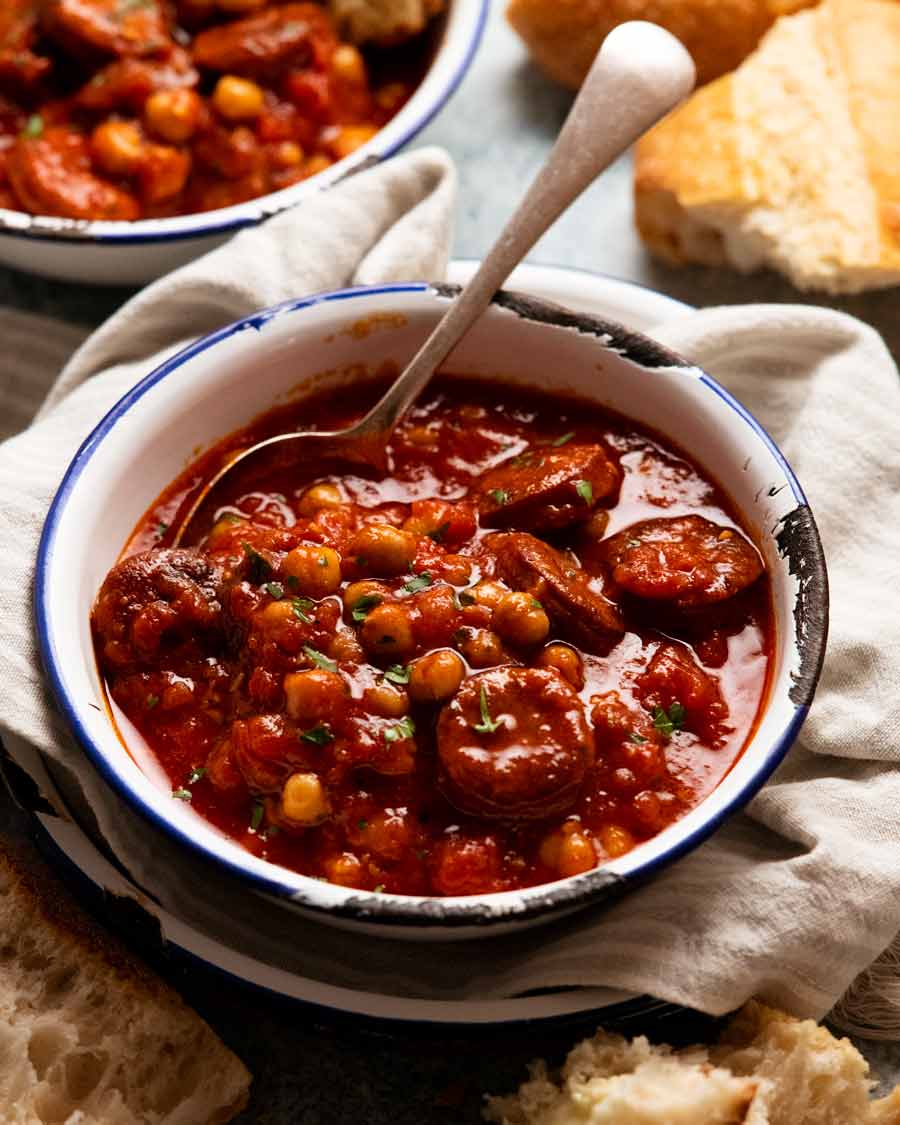
Authentic Spanish Chorizo Recipe
A rich and flavorful Spanish chorizo made with smoked paprika and garlic. This cured sausage is perfect for tapas, stews, or simply enjoyed on its own with crusty bread.
🥘Ingredients
- 2 lbs (900g) pork shoulder, coarsely ground
- 1 lb (450g) pork fat, coarsely ground
- 3 tbsp sweet smoked paprika (Pimentón de la Vera)
- 1 tbsp hot smoked paprika (optional for heat)
- 4 cloves garlic, minced
- 2 tsp salt
- 1 tsp black pepper
- 1 tsp dried oregano
- 1 tsp ground cumin
- 1/2 cup dry white wine or sherry
- Natural hog casings (for stuffing)
- 1 tsp curing salt (Prague Powder #2, optional for dry-cured chorizo)
👨🍳Directions
-
1
In a large mixing bowl, combine the ground pork, pork fat, smoked paprika, garlic, salt, black pepper, oregano, and cumin. Mix thoroughly with your hands or a spoon. -
2
Add the white wine or sherry to the meat mixture and mix until the liquid is fully incorporated and the mixture becomes sticky. -
3
If using curing salt, add it now and mix well. Cover the bowl and refrigerate for 24 hours to allow the flavors to meld. -
4
Soak the hog casings in warm water for 30 minutes to soften. Rinse them thoroughly under cold water to remove any salt. -
5
Load the sausage stuffer with the chorizo mixture and carefully feed the casing onto the stuffer nozzle, leaving about 6 inches of casing free at the end. -
6
Stuff the casings with the chorizo mixture, being careful not to overfill. Twist the sausages into 6-inch links, tying them off with kitchen twine. -
7
Prick any air bubbles in the sausages with a needle or sausage pricker to prevent bursting during curing. -
8
For fresh chorizo: Cook immediately or refrigerate for up to 3 days. For dry-cured chorizo: Hang the sausages in a cool, dry place (55-65°F with 60-70% humidity) for 4-6 weeks to cure. -
9
Once cured, store the chorizo in the refrigerator for up to 3 months or freeze for longer storage.
🔧Equipment
- Meat grinder
- Mixing bowl
- Sausage stuffer
- Kitchen twine
- Large needle or sausage pricker
- Cool, dry curing space (if dry-curing)
📊Nutrition Facts (per serving)
📝Notes
Watch Video Of How Authentic Spanish Chorizo Recipe Works
❓ Frequently Asked Questions About Spanish Chorizo
1. What type of chorizo is used in a traditional Spanish chorizo recipe?
Traditional Spanish chorizo is made with fresh pork (usually a mix of lean and fatty cuts) and seasoned with Spanish smoked paprika (pimentón de la Vera), garlic, and salt. Unlike Mexican chorizo, which is often sold raw and loose, Spanish chorizo is cured and firm, available as a whole sausage or sliced. The key difference is the use of pimentón, which gives it its signature smoky, slightly spicy flavor.
2. Can I make Spanish chorizo at home without a curing chamber?
Yes! While professional curing chambers control humidity and temperature, you can make Spanish chorizo at home using a dry, cool, and well-ventilated space (like a pantry or cellar). Here’s how:
– Hang the chorizo in a mesh bag or cheesecloth to allow airflow.
– Maintain temperatures between 50–60°F (10–15°C) and humidity around 60–70%.
– Use a small fan to improve air circulation if needed.
– Cure for 3–6 weeks, checking for firmness and mold (white mold is normal; green/black mold means discard).
For beginners, a fermentation starter culture (like Bactoferm T-SPX) helps prevent bad bacteria.
3. Why does my homemade chorizo taste bland compared to store-bought?
Common reasons for bland homemade Spanish chorizo include:
– Low-quality paprika: Use authentic Spanish pimentón de la Vera (smoked or sweet, depending on preference). Generic paprika lacks depth.
– Insufficient curing time: Flavor develops over weeks. Taste-test after 3 weeks; it should intensify with age.
– Fat-to-lean ratio: Too much lean meat makes chorizo dry and mild. Aim for 30% fat (e.g., pork shoulder + pork belly).
– Salt levels: Spanish chorizo is heavily salted (2–3% of meat weight). Under-salting dulls flavor.
– Cold ingredients: Ensure meat and fat are very cold when grinding to prevent smearing, which affects texture.
4. How do I store Spanish chorizo, and how long does it last?
Storage depends on whether the chorizo is whole, sliced, or opened:
– Unopened whole chorizo: Store in a cool, dark place (like a pantry) for up to 6 months. Once opened, wrap tightly in parchment paper and refrigerate for 3–4 weeks.
– Sliced chorizo: Keep in an airtight container in the fridge for 2–3 weeks or freeze for up to 3 months (thaw in the fridge before use).
– Vacuum-sealed chorizo: Lasts 12+ months in the pantry if unopened; refrigerate after opening.
Pro tip: If mold appears on the casing, wipe it off with vinegar—it’s safe if the chorizo smells and tastes normal.
5. What’s the best way to cook with Spanish chorizo?
Spanish chorizo is pre-cooked (cured), so it’s ready to eat or can be heated to enhance flavor. Try these methods:
– Sliced and pan-fried: Cook over medium heat until crispy (1–2 mins per side). Use the rendered fat to sauté potatoes, eggs, or seafood.
– Stewed dishes: Add whole or chopped chorizo to fabada asturiana (bean stew), cocido, or paella for smoky depth.
– Tapas: Serve cold with cheese, olives, and bread, or grill slices briefly for a charred edge.
– Pasta/rice: Dice and fry with onions and garlic as a base for arroz con chorizo or fideuà.
– Baking: Tuck slices into bread dough (like pan de chorizo) or stuff into peppers before roasting.
Avoid boiling—it makes chorizo rubbery. For raw dishes (e.g., salads), use fresh (uncured) chorizo instead.