
pie crust recipe with lard

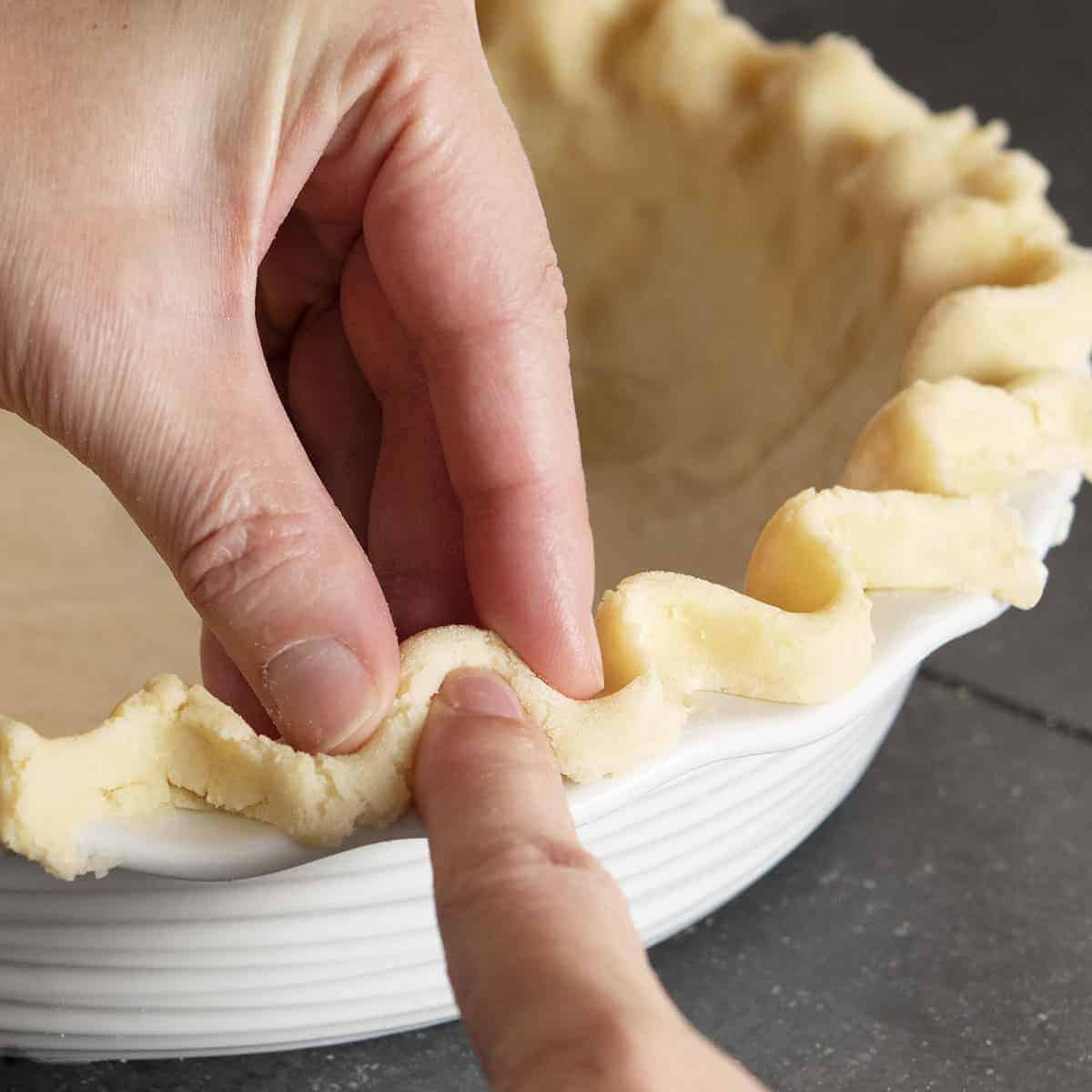
The Best pie crust recipe with lard
What I love most is how simple it is. Just a few ingredients, a little patience, and you’ve got a crust that bakes up golden and crisp every single time. And don’t let anyone tell you lard is unhealthy—it’s actually a great source of monounsaturated fats (the good kind) and has less saturated fat than butter. Plus, it’s stable at high temperatures, so your crust holds its shape without shrinking or burning. My grandma used to say the secret to a good pie was in the crust, and after trying this, I finally get what she meant. It’s not just a recipe; it’s a little piece of tradition that makes every pie taste like home.

Classic Lard Pie Crust
A flaky, tender pie crust made with lard for superior texture and flavor. Perfect for both sweet and savory pies, this traditional recipe delivers a golden, crisp crust every time.
🥘Ingredients
- 2 1/2 cups all-purpose flour
- 1 tsp salt
- 1 cup lard (chilled, cut into small pieces)
- 6-8 tbsp ice water
👨🍳Directions
-
1
In a large mixing bowl, combine the flour and salt. -
2
Add the chilled lard pieces to the flour mixture. Use a pastry cutter or fork to cut the lard into the flour until the mixture resembles coarse crumbs with pea-sized pieces of lard. -
3
Gradually add ice water, 1 tablespoon at a time, mixing gently with a fork until the dough just begins to come together. Do not overmix. -
4
Turn the dough out onto a lightly floured surface and gently knead it into a smooth ball. Divide the dough in half if making a double-crust pie. -
5
Flatten the dough into a disk, wrap it in plastic wrap, and refrigerate for at least 30 minutes to chill. -
6
On a lightly floured surface, roll out the chilled dough to fit a 9-inch pie dish. Transfer the dough to the pie dish and trim the edges, leaving a slight overhang. -
7
For a pre-baked crust, prick the bottom and sides with a fork, line with parchment paper, and fill with pie weights or dried beans. Bake at 425°F (220°C) for 15 minutes. Remove weights and bake for an additional 5-10 minutes until golden.
🔧Equipment
- Mixing bowl
- Pastry cutter or fork
- Rolling pin
- 9-inch pie dish
- Oven
- Measuring cups and spoons
📊Nutrition Facts (per serving)
📝Notes
Watch Video Of How Classic Lard Pie Crust Works
❓ Frequently Asked Questions About Lard Pie Crust
1. Why use lard instead of butter or shortening in pie crust?
Lard creates a flakier, more tender crust than butter or shortening because its higher melting point allows it to stay solid longer during baking, creating distinct layers. It also has a neutral flavor, making it ideal for both sweet and savory pies. However, butter adds flavor, so some bakers use a mix of lard and butter for the best of both worlds.
2. How do I keep my lard pie crust from shrinking?
To prevent shrinking, avoid overworking the dough—mix just until the ingredients come together. Chill the dough for at least 30 minutes before rolling to relax the gluten. When fitting the crust into the pie dish, don’t stretch it; gently press it into place. Finally, blind-bake with pie weights or dried beans to help maintain its shape.
3. Can I substitute lard with another fat if I don’t have it?
Yes, you can substitute lard with an equal amount of shortening or butter, though the texture will differ. Shortening yields a slightly less flaky but still tender crust, while butter adds flavor but may make the crust less crisp. For a compromise, use half lard and half butter. Coconut oil (refined) can also work in a pinch, but it may alter the taste.
4. How do I store lard pie crust dough, and how long does it last?
Wrap the dough tightly in plastic wrap and refrigerate for up to 3 days. For longer storage, freeze it for up to 3 months—thaw in the fridge overnight before using. If the dough becomes too stiff after chilling, let it sit at room temperature for 10–15 minutes to soften slightly before rolling.
5. Why is my lard pie crust tough instead of flaky?
Toughness usually comes from overworking the dough or adding too much water. Handle the dough as little as possible, and add ice-cold water gradually—just enough to bind it. Overmixing develops gluten, which makes the crust dense. Also, ensure your lard is cold (not room temperature) to maintain flakiness.