
haitian recipe griot

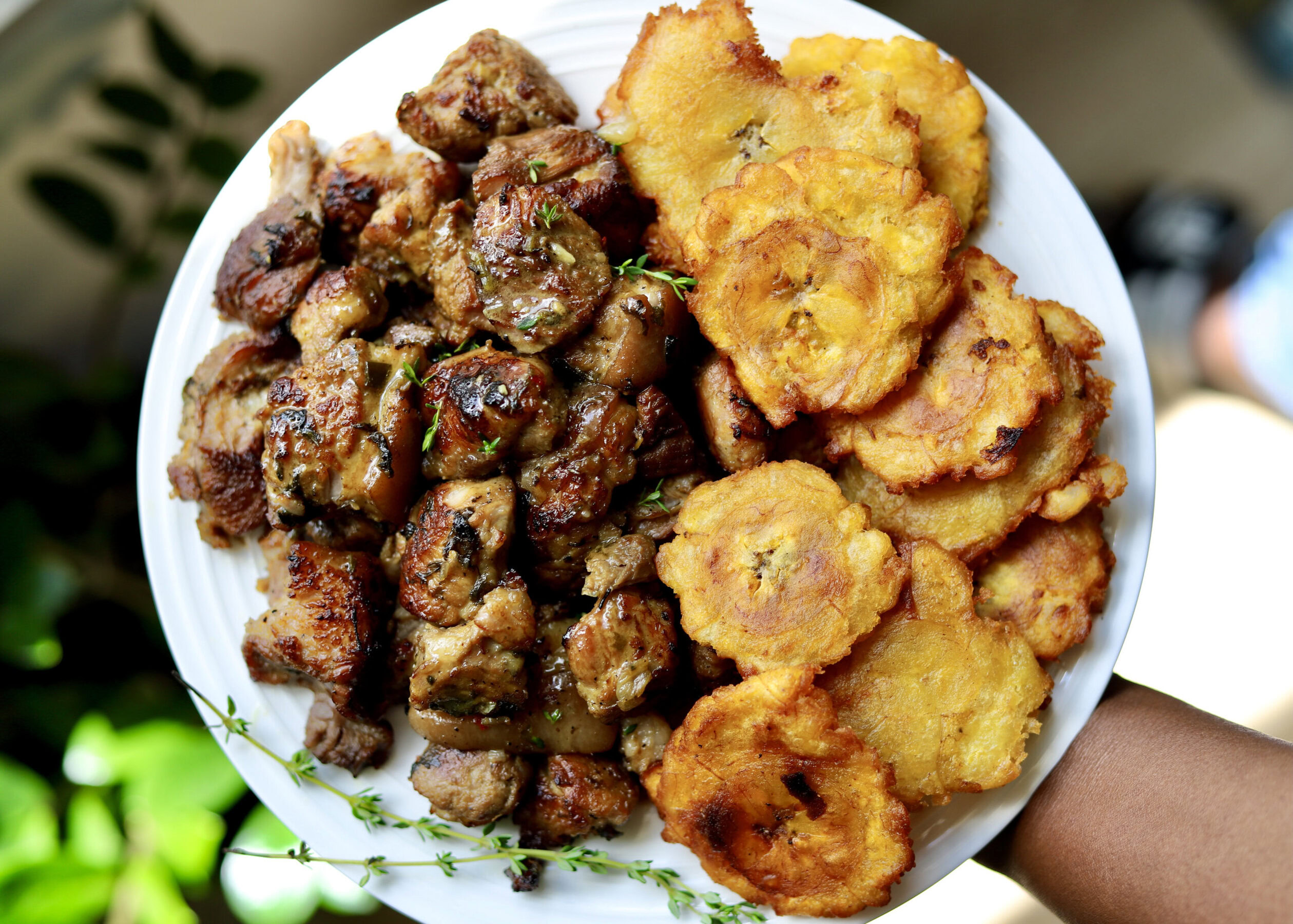
The Best haitian recipe griot
What I love most about griot is how versatile it is. We eat it straight out of the oven with some fried plantains and a simple salad, but it’s also perfect for parties or potlucks because it holds up well and tastes even better the next day. The leftovers make amazing tacos or rice bowls, and honestly, I’ve been known to eat it cold right out of the fridge when no one’s looking. It’s one of those recipes that feels like a treat but doesn’t require a ton of fuss, which is exactly the kind of cooking I’m all about. Plus, the way the meat caramelizes in the oven gives it this irresistible crunch that’s hard to beat. If you haven’t tried it yet, you’re missing out—this is the kind of dish that turns casual meals into something everyone looks forward to.
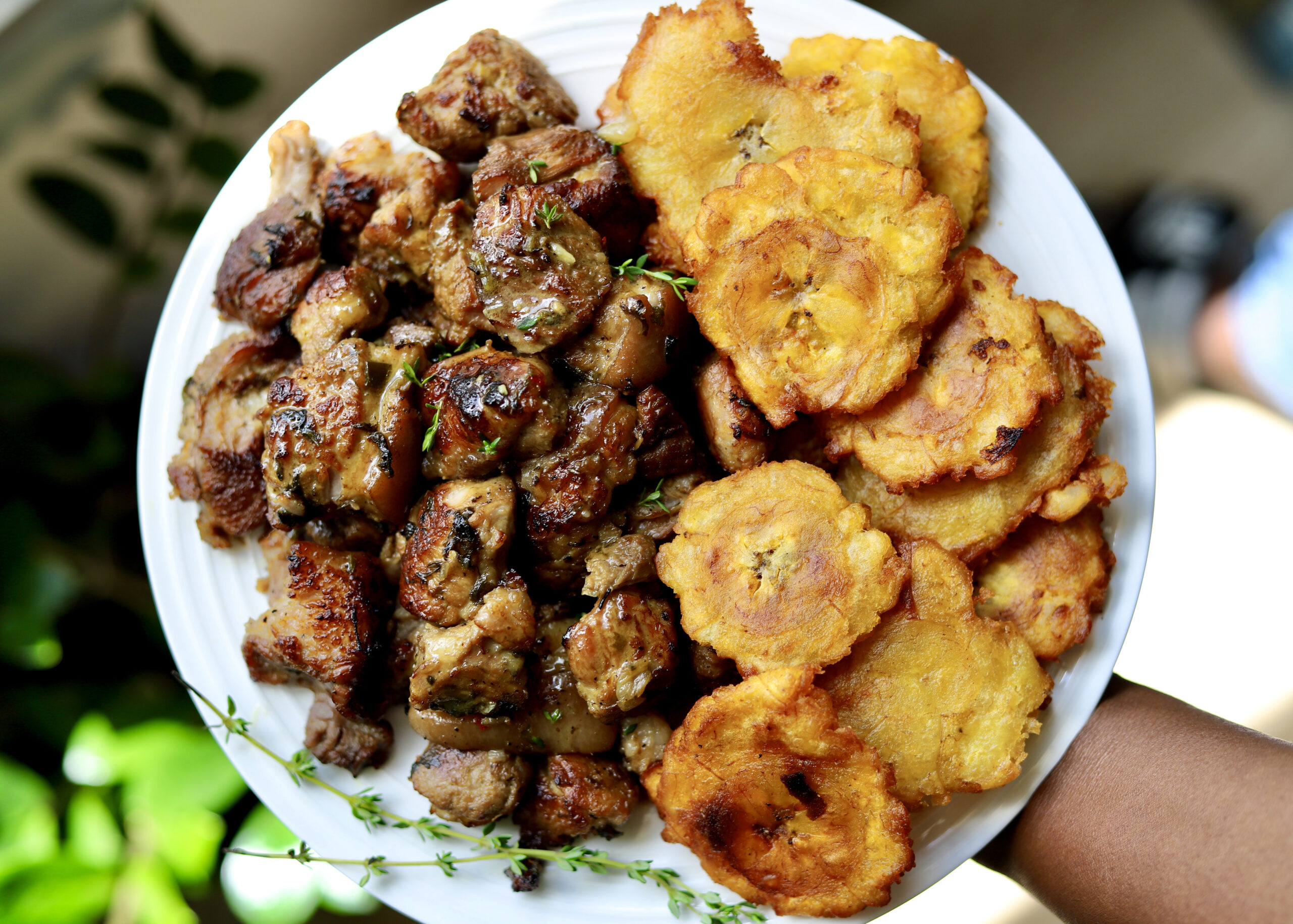
Haitian Griot (Fried Pork)
Griot is a beloved Haitian dish featuring marinated, fried pork shoulder cubes that are crispy on the outside and tender inside. Served with pikliz (spicy pickled slaw) and fried plantains, it’s a staple at gatherings and celebrations.
🥘Ingredients
- 2 lbs pork shoulder, cut into 1-inch cubes
- 1/2 cup sour orange juice (or 1/4 cup lime juice + 1/4 cup orange juice)
- 1/4 cup white vinegar
- 4 cloves garlic, minced
- 1 small onion, chopped
- 1 scotch bonnet or habanero pepper, seeded and minced (optional)
- 1 tbsp thyme, chopped
- 1 tsp salt
- 1 tsp black pepper
- 1 tsp ground cloves
- Vegetable oil or lard, for deep frying
- 1 cup water
- 1 tbsp sour orange juice or lime juice
- Pikliz (Haitian spicy pickled slaw)
- Fried plantains (bannann peze)
- White rice
👨🍳Directions
-
1
In a large bowl, combine pork cubes with sour orange juice, vinegar, garlic, onion, scotch bonnet pepper (if using), thyme, salt, black pepper, and cloves. Mix well to coat the pork evenly. -
2
Cover the bowl with plastic wrap or transfer to an airtight container. Refrigerate and marinate for at least 4 hours, preferably overnight (up to 12 hours). -
3
In a large pot or deep fryer, heat 2-3 inches of oil to 350°F (175°C). -
4
Remove pork from the marinade (reserve the marinade) and pat dry with paper towels to remove excess moisture. -
5
Working in batches, fry the pork cubes for 8-10 minutes until golden brown and crispy. Use a slotted spoon to transfer the pork to a paper towel-lined plate to drain excess oil. -
6
In a small saucepan, combine the reserved marinade with 1 cup of water and 1 tbsp sour orange or lime juice. Bring to a boil, then reduce heat and simmer for 5 minutes to create a light sauce. -
7
Return the fried pork to the pot and toss gently in the sauce for 1-2 minutes to coat. This step helps tenderize the meat further and adds flavor. -
8
Serve hot with pikliz, fried plantains, and white rice.
🔧Equipment
- Large mixing bowl
- Plastic wrap or airtight container
- Large pot or deep fryer
- Slotted spoon
- Paper towels
- Tongs
📊Nutrition Facts (per serving)
📝Notes
Watch Video Of How Haitian Griot (Fried Pork) Works
❓ Frequently Asked Questions About Haitian Griot (Fried Pork)
1. What is griot, and what makes it a popular Haitian dish?
Griot is a beloved Haitian dish made from marinated, fried pork chunks. It’s a staple at celebrations, family gatherings, and holidays because of its crispy exterior, tender interior, and bold, tangy-sweet flavor. The dish is typically marinated in a blend of citrus juices (like sour orange or lime), Scotch bonnet peppers, garlic, and herbs, then slow-cooked before being fried to perfection. Its popularity stems from its rich taste, cultural significance, and versatility—often served with pikliz (spicy pickled slaw) and bannann peze (fried plantains).
—
2. What cut of pork is best for making griot?
The best cut for griot is pork shoulder (or pork butt) because it has a good balance of fat and meat, which keeps the dish juicy and flavorful after frying. Some cooks also use pork leg or tenderloin, but these leaner cuts can dry out more easily. The fat in pork shoulder renders during cooking, adding richness and helping the meat stay moist. For the crispiest griot, it’s important to cut the pork into evenly sized chunks (about 1–2 inches) to ensure even cooking.
—
3. How long should griot be marinated, and can I marinate it overnight?
Griot should be marinated for at least 4 hours, but overnight marination (12–24 hours) is ideal for deeper flavor penetration. The acidic marinade (from citrus juices) tenderizes the meat while infusing it with spices. If marinating overnight, refrigerate the pork to prevent spoilage. Some traditional recipes even suggest marinating for up to 48 hours for maximum tenderness. Just be sure to stir the marinade occasionally to ensure all pieces are evenly coated.
—
4. Why is griot sometimes tough, and how can I prevent it?
Griot can turn out tough for a few reasons:
– Under-marinating: The acid in the marinade (citrus, vinegar) breaks down muscle fibers. If marinated too briefly, the meat stays chewy.
– Overcooking: Frying at too high a temperature or for too long dries out the pork. Fry in batches to avoid crowding the pan and cook until golden brown (not dark brown).
– Wrong cut: Lean cuts like tenderloin toughen when overcooked. Stick to pork shoulder for the best texture.
– Not boiling first: Some recipes call for boiling the marinated pork in its marinade before frying. This step ensures tenderness and allows the meat to absorb more flavor.
—
5. What are the best sides to serve with griot?
Griot is traditionally served with sides that balance its richness and add texture or heat. Classic pairings include:
– Pikliz: A spicy, tangy pickled slaw made with cabbage, carrots, Scotch bonnet peppers, and vinegar.
– Bannann peze (fried plantains): Crispy, flattened plantains that add a sweet contrast.
– Diri ak pwa (rice and beans): Haitian-style rice cooked with kidney beans, garlic, and herbs.
– Avocado slices: Creamy and fresh to cut through the grease.
– Mayi moulen (cornmeal): A side of creamy cornmeal porridge, similar to polenta.
For a full Haitian feast, serve griot with all of the above!