
tabasco sauce recipe

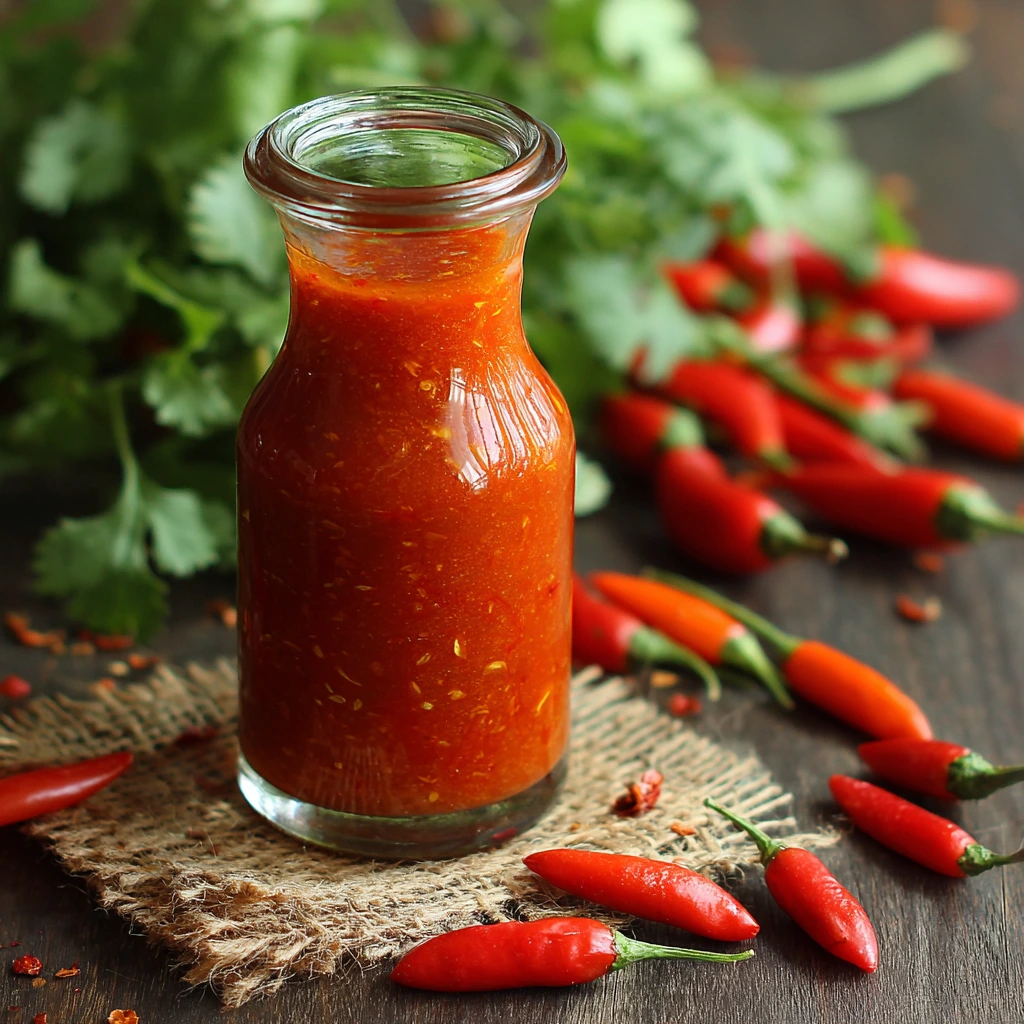
The Best tabasco sauce recipe
What I really appreciate about this recipe is how straightforward it is. You don’t need fancy ingredients or complicated steps—just peppers, vinegar, salt, and a little patience. The fermentation process does most of the work, and the result is a sauce that’s tangy, spicy, and full of depth. Plus, it’s packed with natural probiotics, which is a nice bonus. I’ve found that homemade hot sauce like this is way healthier than the store-bought stuff, which often has additives or preservatives. It’s also a great way to use up extra peppers if you grow them in your garden, like we do. Once you try making it yourself, you’ll never want to go back to the bottled version.
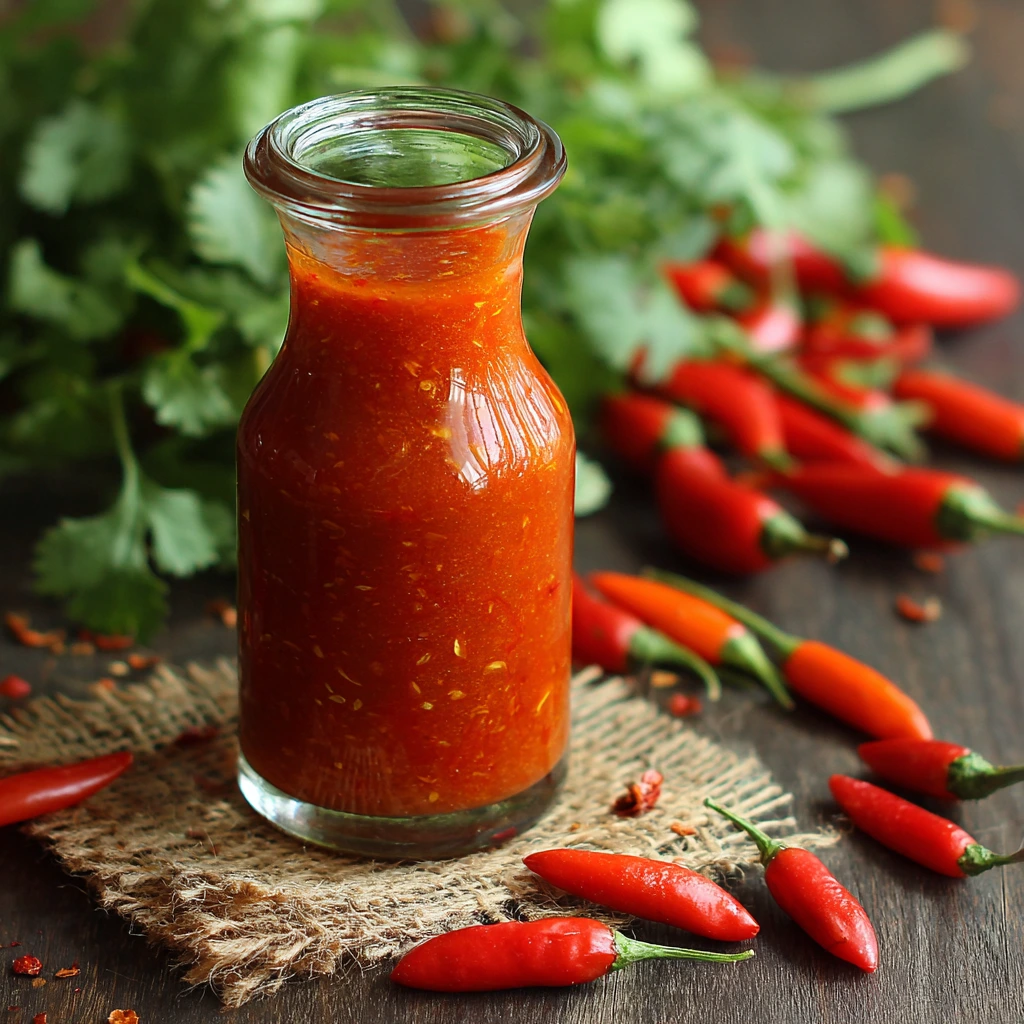
Homemade Tabasco Sauce
A fiery, tangy hot sauce made from fermented chili peppers, vinegar, and salt. This recipe mimics the classic Louisiana-style Tabasco sauce with a bold, spicy kick perfect for adding heat to any dish.
🥘Ingredients
- 1 lb red tabasco peppers (or substitute with red jalapeños or serranos)
- 2 tsp kosher salt
- 1 cup distilled white vinegar
- 1 tsp salt (adjust to taste)
- 1/2 tsp sugar (optional, for balance)
👨🍳Directions
-
1
Wear gloves and remove stems from the peppers. Roughly chop them (seeds included for extra heat). -
2
Place chopped peppers in a blender or food processor with 2 tsp salt. Pulse until a coarse mash forms. -
3
Transfer the pepper mash to a clean glass jar or fermentation crock. Cover loosely with a lid or cloth to allow airflow while keeping out debris. -
4
Let the mash ferment at room temperature (68–75°F) for 3 weeks. Stir daily to prevent mold and ensure even fermentation. The mash should bubble and develop a tangy aroma. -
5
After fermentation, blend the mash with 1 cup vinegar until smooth. -
6
Strain the mixture through a fine-mesh strainer lined with cheesecloth or a coffee filter. Press firmly to extract all liquid; discard solids. -
7
Add 1 tsp salt and 1/2 tsp sugar (if using) to the strained liquid. Stir until dissolved. -
8
Pour the sauce into sterilized bottles using a funnel. Seal tightly and store in the refrigerator for up to 1 year. -
9
For a smoother sauce, let it age in the fridge for 1–2 weeks before using. Shake well before serving.
🔧Equipment
- Glass jar or fermentation crock
- Blender or food processor
- Fine-mesh strainer
- Cheesecloth or coffee filter
- Funnel
- Squeeze bottles or glass bottles for storage
- Rubber gloves (recommended for handling peppers)
📊Nutrition Facts (per serving)
📝Notes
Watch Video Of How Homemade Tabasco Sauce Works
❓ Frequently Asked Questions About Tabasco Sauce
1. What are the main ingredients needed to make homemade Tabasco sauce?
The basic ingredients for a classic Tabasco-style sauce include red chili peppers (traditionally Tabasco peppers), vinegar, salt, and sometimes garlic or other spices. Some recipes also call for a small amount of sugar to balance the heat and acidity.
2. How long does it take to ferment Tabasco sauce?
Fermentation typically takes 3 to 5 days for the peppers and salt mixture to develop the right tangy flavor. However, some recipes recommend fermenting for up to 3 weeks for a deeper, more complex taste. After fermentation, the sauce is blended with vinegar and strained, which can take an additional few days.
3. Can I use different types of peppers instead of Tabasco peppers?
Yes! While traditional Tabasco sauce uses Tabasco peppers, you can substitute them with other red chili peppers like jalapeños, serranos, cayenne, or Thai bird’s eye chilies for different heat levels and flavors. Adjust the amount based on your spice preference.
4. Why does my homemade Tabasco sauce taste too vinegary or not spicy enough?
If the sauce is too vinegary, it may need more fermentation time to mellow the acidity. If it lacks heat, try using hotter peppers or reducing the vinegar slightly. Balancing the pepper-to-vinegar ratio is key—start with less vinegar and adjust to taste.
5. How should I store homemade Tabasco sauce, and how long does it last?
Store the sauce in a sterilized glass bottle or jar in the refrigerator for up to 6 months. The vinegar and salt act as preservatives, but for longer shelf life, you can pasteurize the sauce by heating it to 185°F (85°C) for 10–15 minutes before bottling. Always use clean utensils to prevent contamination.