
homemade mouthwash recipe

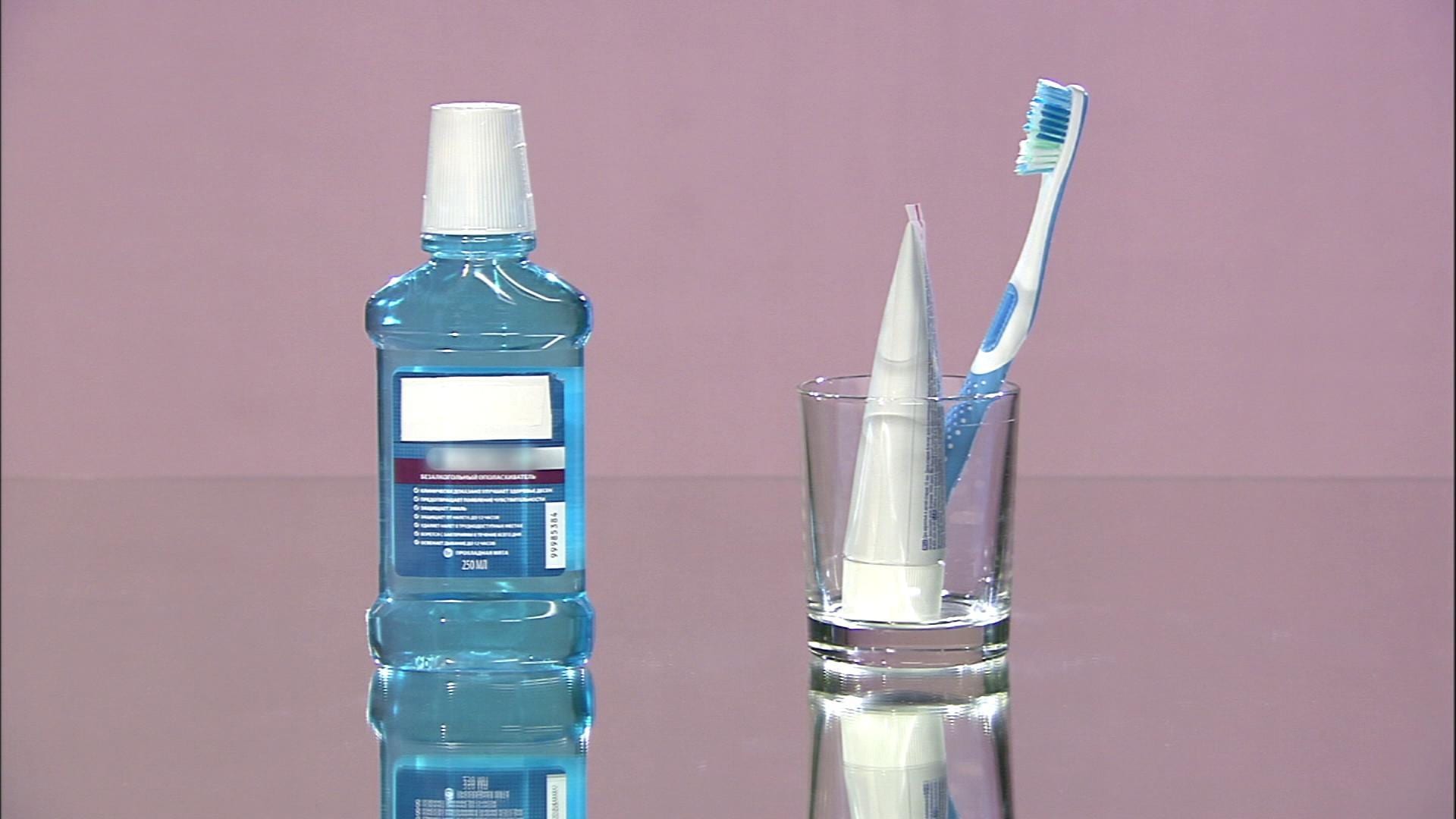
The Best homemade mouthwash recipe
What I love most is how gentle it is. No harsh chemicals, no artificial colors, just a few ingredients that work together to freshen breath and support oral health. The peppermint oil gives it that crisp, clean taste, while the baking soda helps neutralize odors and balance pH. Plus, it’s so easy to make—just a few minutes of mixing and you’ve got a bottle that lasts weeks. We keep one in the bathroom for daily use and another in the kitchen for after meals, especially when we’ve had something garlicky or spicy. It’s become part of our routine, and honestly, I don’t think I’ll ever go back to the store-bought kind.

Homemade Peppermint & Tea Tree Oil Mouthwash
A refreshing and natural mouthwash that freshens breath, reduces bacteria, and promotes oral health using simple ingredients. Free from artificial chemicals and alcohol, this DIY mouthwash is gentle yet effective.
🥘Ingredients
- 1 cup distilled or filtered water
- 1 tsp baking soda (helps neutralize acids)
- 1 tsp xylitol (optional, for sweetness and cavity prevention)
- 5 drops peppermint essential oil (for fresh breath)
- 3 drops tea tree essential oil (antibacterial)
- 2 drops clove essential oil (optional, for gum health)
- 1 tsp aloe vera gel (soothes gums)
- 1/2 tsp sea salt (for mineral balance)
👨🍳Directions
-
1
Boil the distilled or filtered water and let it cool to room temperature (this ensures sterility). -
2
In the mixing bowl or jar, combine the baking soda and xylitol (if using), stirring until dissolved. -
3
Add the essential oils one drop at a time, stirring gently to mix. Avoid inhaling directly over the oils. -
4
Pour the mixture into the glass bottle using a funnel if needed. Add the aloe vera gel or sea salt now if using, and shake well to combine. -
5
Store the mouthwash in a cool, dark place. Shake well before each use. Use within 2 weeks for best potency. -
6
To use, swish 1-2 tablespoons in your mouth for 30-60 seconds, then spit out. Do not swallow.
🔧Equipment
- Small mixing bowl or glass jar with lid
- Measuring spoons
- Funnel (optional, for bottling)
- 16 oz amber or dark glass bottle (to preserve essential oils)
📊Nutrition Facts (per serving)
📝Notes
– Always use high-quality, food-grade essential oils for safety.
– If you have sensitive gums, reduce the tea tree oil to 1-2 drops.
– For a stronger flavor, add 1-2 more drops of peppermint oil.
– Discard if the mouthwash develops an unusual odor or appearance.
– Not recommended for children under 6 or those with allergies to any ingredients.
Watch Video Of How Homemade Peppermint & Tea Tree Oil Mouthwash Works
❓ Frequently Asked Questions About Peppermint & Tea Tree Oil Mouthwash
1. What are the benefits of using a homemade mouthwash instead of a store-bought one?
Homemade mouthwash offers several advantages over commercial options. It’s free from artificial colors, flavors, and preservatives, making it a natural and gentler alternative. Many recipes use ingredients like baking soda, essential oils, and herbal infusions, which can help freshen breath, reduce bacteria, and soothe gum irritation without harsh chemicals. Additionally, homemade mouthwash is cost-effective and customizable—you can adjust ingredients based on your oral health needs, such as adding more peppermint for freshness or aloe vera for soothing properties.
2. How often should I use homemade mouthwash?
For most people, using homemade mouthwash 1-2 times per day is ideal—typically after brushing in the morning and evening. Overuse (e.g., more than 3 times daily) may disrupt the natural balance of oral bacteria or cause dryness, especially if the recipe contains alcohol or strong essential oils. If you experience irritation, reduce frequency or dilute the mixture with more water. Always listen to your body and consult a dentist if you have concerns, particularly if you have sensitive gums or underlying dental conditions.
3. Can I use essential oils in my homemade mouthwash, and which ones are safe?
Yes, essential oils can be a great addition to homemade mouthwash, but they must be used safely and sparingly. Some of the best options include:
– Peppermint oil: Freshens breath and has antibacterial properties.
– Tea tree oil: Fights bacteria and reduces plaque (use only 1-2 drops per batch).
– Clove oil: Helps with toothache relief and gum health (dilute well—it’s potent).
– Cinnamon oil: Antimicrobial but can be irritating; use in very small amounts.
Important notes:
– Never use undiluted essential oils—they can burn oral tissues.
– Avoid oils like wintergreen, eucalyptus, or citrus oils in high concentrations, as they may be too harsh.
– Pregnant or nursing individuals and children should consult a healthcare provider before using essential oils.
4. How long does homemade mouthwash last, and how should I store it?
The shelf life of homemade mouthwash depends on the ingredients:
– Alcohol-based recipes (e.g., with vodka or witch hazel): Lasts 2-4 weeks when stored in a cool, dark place.
– Water-based recipes (e.g., with herbal infusions or aloe vera): Lasts 5-7 days in the refrigerator to prevent bacterial growth.
– Oil-based recipes (e.g., coconut oil pulling): Best used immediately or stored for 1-2 weeks in the fridge.
Storage tips:
– Use a glass bottle (plastic can degrade with essential oils).
– Keep it in the refrigerator if it contains perishable ingredients like fresh herbs or aloe vera.
– Discard if the mouthwash changes color, smells off, or develops mold.
5. Is homemade mouthwash safe for children or people with sensitive teeth/gums?
Homemade mouthwash can be safe for children and those with sensitivity, but modifications are often needed:
– For children (under 6): Avoid alcohol, strong essential oils, and small ingredients (like baking soda) that could be swallowed. Use a mild saltwater rinse or a diluted herbal infusion (e.g., chamomile).
– For sensitive teeth/gums: Skip abrasive ingredients like baking soda or hydrogen peroxide. Opt for aloe vera, coconut oil, or chamomile tea for soothing effects. Always do a patch test (swish a small amount for 10 seconds) to check for irritation.
– General safety: Supervise children to prevent swallowing, and consult a dentist if you have gum disease, open sores, or other oral health concerns before using homemade mouthwash.