
michigan pasties recipe

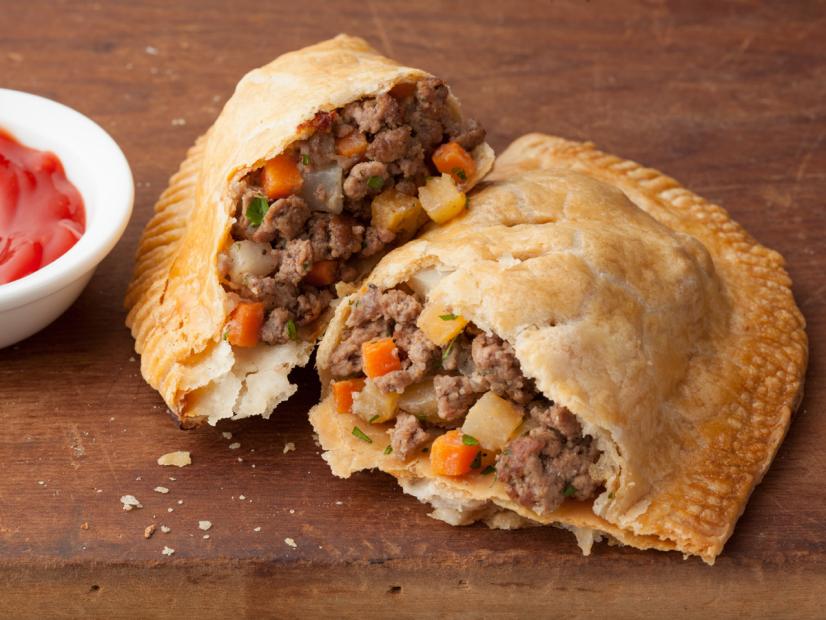
The Best michigan pasties recipe
What I love most about this recipe is how versatile it is. You can fill them with whatever you have on hand—ground beef, potatoes, onions, rutabaga, or even leftover veggies—and they still turn out delicious. Plus, they’re portable, so they’re perfect for picnics, lunchboxes, or even a quick dinner when we’re running between soccer practice and homework. And let’s not forget the health benefits: lean protein, fiber from the veggies, and a crust that’s not overly heavy if you make it right. It’s a meal that feels indulgent but doesn’t leave you feeling weighed down.
I first learned to make pasties from my grandmother, who grew up in the Upper Peninsula where they’re practically a way of life. She’d make a big batch and freeze them, pulling one out whenever someone needed a quick, satisfying meal. Now, I do the same—double the recipe, freeze half, and always have a backup plan for those nights when cooking is the last thing I want to do. If you haven’t tried making them before, you’re missing out. They’re one of those recipes that’s simple but feels special, and once you get the hang of it, you’ll be making them all the time.
Michigan Pasties (Yooper-Style)
A hearty hand pie filled with beef, potatoes, onions, and rutabaga, originating from Michigan’s Upper Peninsula. These portable pasties are perfect for a filling meal on the go, traditionally served with ketchup or gravy.
🥘Ingredients
- 3 cups all-purpose flour
- 1 tsp salt
- 1 cup cold unsalted butter, cubed
- 1 large egg
- 6-8 tbsp ice water
- 1 lb ground beef (or a mix of beef and pork)
- 1 large russet potato, peeled and diced
- 1 small rutabaga (or turnip), peeled and diced
- 1 medium onion, finely chopped
- 1 tsp salt
- 1 tsp black pepper
- 1 tsp Worcestershire sauce (optional)
- 1 tbsp butter (for doting)
- 1 egg (for egg wash)
- 1 tbsp water
👨🍳Directions
-
1
Preheat your oven to 400°F (200°C) and line a baking sheet with parchment paper. -
2
In a large mixing bowl, combine the flour and salt. Cut in the cold butter using a pastry cutter or your fingers until the mixture resembles coarse crumbs. -
3
In a small bowl, whisk the egg and 6 tablespoons of ice water. Gradually add the liquid to the flour mixture, mixing just until the dough comes together. Add more water if needed, 1 tablespoon at a time. -
4
Divide the dough into 6 equal portions and shape each into a ball. Cover with a damp towel and let rest for 10 minutes. -
5
In a large bowl, combine the ground beef, diced potato, rutabaga, onion, salt, pepper, and Worcestershire sauce (if using). Mix well. -
6
On a lightly floured surface, roll each dough ball into a 9-inch circle. Place about 1 cup of filling onto one half of each circle, leaving a 1-inch border. Dot each with a small piece of butter. -
7
Fold the dough over the filling to form a half-moon shape. Crimp the edges tightly with your fingers or a fork to seal. Place the pasties on the prepared baking sheet. -
8
Whisk the egg with 1 tablespoon of water and brush the tops of the pasties with the egg wash. Cut 2-3 small slits in the top of each pasty to allow steam to escape. -
9
Bake for 45-50 minutes, or until the crust is golden brown and the filling is cooked through. -
10
Let the pasties cool for 10 minutes before serving. Enjoy with ketchup, gravy, or your favorite dipping sauce.
🔧Equipment
- Large mixing bowl
- Rolling pin
- Baking sheet
- Parchment paper
- Pastry brush
- Sharp knife
- Measuring cups and spoons
📊Nutrition Facts (per serving)
📝Notes
Watch Video Of How Michigan Pasties (Yooper-Style) Works
❓ Frequently Asked Questions About Michigan Pasties (Yooper-Style)
1. What is a Michigan pasty, and how is it different from a traditional Cornish pasty?
A Michigan pasty is a handheld meat pie that originated from Cornish miners who settled in Michigan’s Upper Peninsula (UP) in the 19th century. While it shares roots with the Cornish pasty, the Michigan version often includes a slightly sweeter crust, a mix of beef and pork (sometimes with rutabaga or potatoes), and a more flexible shape—sometimes pinched at the top rather than crimped along the side. Some UP pasties also include onions or carrots for extra flavor.
2. Can I make Michigan pasties ahead of time and freeze them?
Yes! Michigan pasties freeze beautifully. After baking, let them cool completely, then wrap each pasty tightly in aluminum foil or plastic wrap before placing them in a freezer-safe bag. They’ll keep for up to 3 months. To reheat, bake from frozen at 350°F (175°C) for 20–30 minutes or until warmed through. You can also freeze unbaked pasties—just add 5–10 extra minutes to the baking time when cooking from frozen.
3. What’s the best way to crimp the edges of a pasty for a tight seal?
For a secure, traditional crimp, follow these steps:
– Place the filling on one half of the rolled-out dough.
– Fold the dough over the filling to form a half-moon shape.
– Starting at one end, pinch the edges together firmly with your fingers, then fold the pinched dough over itself in small pleats, working your way around the curve.
– Press the final crimp tightly to seal. For extra security, brush the edges with a little water or egg wash before folding.
4. Why do some Michigan pasty recipes include rutabaga, and can I substitute it?
Rutabaga (also called swede) was a staple in Cornish pasties because it’s hearty, affordable, and holds up well during baking. In Michigan pasties, it adds a slightly sweet, earthy flavor. If you can’t find rutabaga, common substitutes include:
– Turnips (milder but similar texture)
– Sweet potatoes (sweeter, softer)
– Extra potatoes (less flavor but a classic choice)
– Parsnips (sweeter, softer when cooked)
5. What’s the secret to a flaky, tender pasty crust?
The key to a perfect pasty crust lies in keeping the dough cold and handling it minimally. Here’s how:
– Use cold butter or lard (lard is traditional for extra flakiness).
– Mix the dough just until it comes together—overworking develops gluten, making it tough.
– Chill the dough for at least 30 minutes before rolling to relax the gluten.
– Roll the dough evenly (about ⅛-inch thick) and avoid stretching it when shaping.
– Brush the pasties with egg wash before baking for a golden, crisp finish.