vet approved homemade dog food recipe

- The Best vet approved homemade dog food recipe
- Balanced Homemade Dog Food with Turkey & Vegetables
- 🥘Ingredients
- 👨🍳Directions
- 🔧Equipment
- 📊Nutrition Facts (per serving)
- 📝Notes
- Watch Video Of How Balanced Homemade Dog Food with Turkey & Vegetables Works
- ❓ Frequently Asked Questions About Balanced Dog Food with Turkey & Vegetables
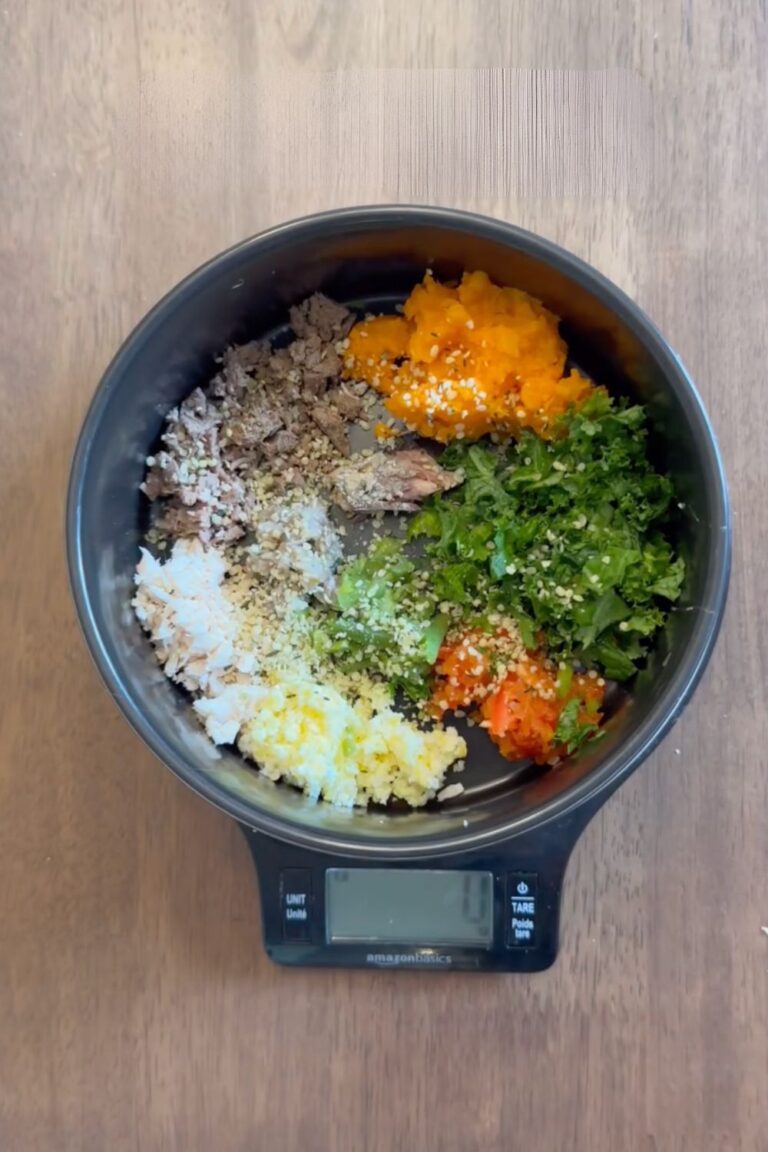
The Best vet approved homemade dog food recipe
This recipe is perfect whether you’re looking for an everyday option or something special for a picky eater. It’s got lean protein, healthy fats, and easy-to-digest carbs, all mixed together in a way that keeps my dogs energized and their coats shiny. Plus, knowing exactly what’s going into their food gives me peace of mind, especially since I’ve had dogs with sensitive stomachs in the past. It’s a win for them and a win for me—no mystery ingredients, no fillers, just real food that actually makes a difference.

Balanced Homemade Dog Food with Turkey & Vegetables
A vet-approved, nutrient-rich homemade dog food recipe featuring lean turkey, healthy vegetables, and essential supplements. Perfect for maintaining your dog’s energy and overall health.
🥘Ingredients
- 1 lb (450g) ground turkey (93% lean)
- 1 cup cooked brown rice
- 1/2 cup cooked quinoa
- 1 cup chopped spinach (steamed)
- 1/2 cup grated carrots
- 1/2 cup diced sweet potato (cooked)
- 1/4 cup peas (fresh or frozen)
- 1 tbsp olive oil
- 1/2 tsp calcium carbonate (or 1,000 mg calcium supplement)
- 1/4 tsp iodized salt (or as recommended by your vet)
- 1 softgel fish oil (500 mg EPA/DHA, punctured)
- 1/2 tsp kelp powder (optional, for iodine)
👨🍳Directions
-
1
Cook brown rice and quinoa according to package instructions. Set aside to cool. -
2
In a large skillet, heat olive oil over medium heat. Add ground turkey and cook until browned (5-7 minutes), breaking it into small pieces. -
3
Add diced sweet potato, carrots, and peas to the skillet. Cook for 5 minutes, stirring occasionally. -
4
Stir in steamed spinach and cooked rice/quinoa. Mix well and cook for an additional 2-3 minutes. -
5
Remove from heat and let the mixture cool to room temperature (about 10 minutes). -
6
In a mixing bowl, combine the cooked mixture with calcium carbonate, salt, fish oil, and kelp powder (if using). Stir thoroughly to ensure even distribution. -
7
Divide into portions based on your dog’s size and caloric needs. Store in airtight containers in the refrigerator for up to 5 days or freeze for up to 3 months.
🔧Equipment
- Large skillet or pot
- Mixing bowl
- Cutting board
- Knife
- Measuring cups and spoons
- Wooden spoon
📊Nutrition Facts (per serving)
📝Notes
Watch Video Of How Balanced Homemade Dog Food with Turkey & Vegetables Works
❓ Frequently Asked Questions About Balanced Dog Food with Turkey & Vegetables
1. Is homemade dog food healthier than commercial kibble?
Homemade dog food can be healthier if properly balanced and vet-approved, as it avoids artificial additives, fillers, and low-quality ingredients often found in some commercial kibbles. However, it requires careful planning to ensure your dog gets all essential nutrients like protein, fats, vitamins, and minerals. Without proper formulation, homemade diets can lead to deficiencies or imbalances, so consulting a vet or veterinary nutritionist is crucial.
2. What ingredients should I avoid in homemade dog food?
Avoid toxic or harmful ingredients such as onions, garlic, grapes, raisins, chocolate, xylitol, macadamia nuts, avocado, and excessive salt or spices. Also, steer clear of bones (cooked bones can splinter), raw pork (risk of parasites), and high-fat foods (can cause pancreatitis). Always research ingredients before including them in your dog’s diet.
3. How do I ensure my homemade dog food is nutritionally balanced?
To ensure balance, follow a vet-approved recipe that includes a protein source (e.g., lean meat, fish, or eggs), healthy carbohydrates (e.g., sweet potatoes, brown rice), vegetables (e.g., carrots, spinach), and a source of calcium (e.g., bone meal or eggshell powder). Supplements like fish oil (for omega-3s) or a canine multivitamin may be recommended. Regular check-ups with your vet can help monitor your dog’s health and adjust the diet as needed.
4. Can I feed my dog the same homemade food every day?
While variety isn’t strictly necessary, rotating proteins and vegetables can help prevent nutrient gaps and keep your dog interested in their meals. However, sudden dietary changes can upset your dog’s stomach, so introduce new ingredients gradually. If sticking to one recipe, ensure it’s complete and balanced for long-term feeding, and consult your vet for guidance.
5. How do I transition my dog from kibble to homemade food?
Transition slowly over 7–10 days by mixing increasing amounts of homemade food with decreasing amounts of kibble. Start with 25% homemade food and 75% kibble, then gradually adjust the ratio. Monitor your dog for digestive issues (e.g., diarrhea, vomiting) and adjust the pace if needed. If your dog has health conditions, consult your vet for a tailored transition plan.