
ezekiel bread recipe

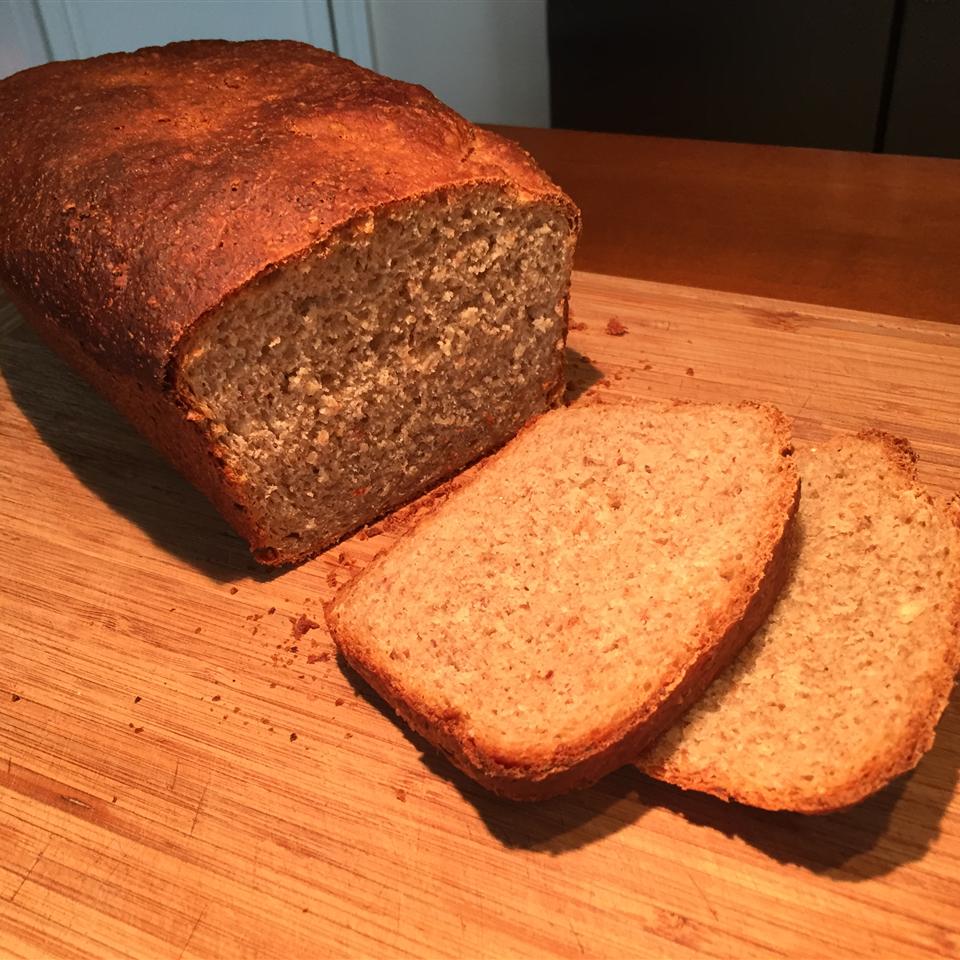
The Best ezekiel bread recipe
This bread is made with sprouted grains and legumes, which makes it easier to digest and more nutrient-dense than your average loaf. I love that it’s versatile—perfect for toast in the morning, sandwiches at lunch, or even as a side with soup. It’s not one of those recipes that’s only good for special occasions; it’s the kind of thing I make weekly because it’s just that practical. Plus, my husband swears it helps him feel less sluggish after meals, which is always a bonus. If you’re looking for a bread that’s wholesome but doesn’t taste like cardboard, this is the one to try.
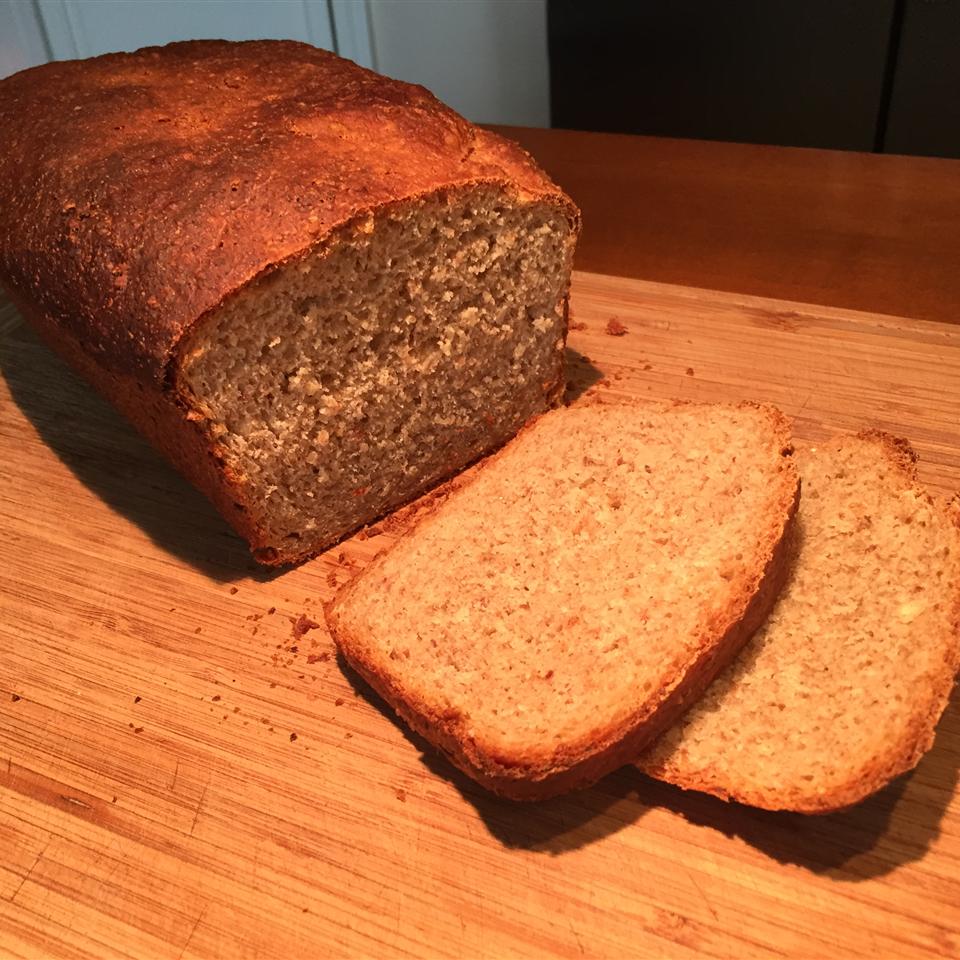
Ezekiel Bread Recipe
A nutritious and wholesome bread inspired by the biblical Ezekiel 4:9, made with sprouted grains and legumes. This high-protein, high-fiber bread is perfect for sandwiches or toast.
🥘Ingredients
- 1/2 cup wheat berries
- 1/4 cup barley
- 1/4 cup millet
- 1/4 cup lentils
- 1/4 cup soybeans
- 2 tbsp kidney beans
- 2 cups whole wheat flour
- 1 cup spelt flour
- 1/4 cup vital wheat gluten (optional, for structure)
- 1 1/4 cups warm water (divided)
- 1/4 cup honey or maple syrup
- 1/4 cup olive oil or melted coconut oil
- 1 tsp salt
- 2 1/4 tsp active dry yeast (1 packet)
👨🍳Directions
-
1
Soak the grains and legumes: Rinse the wheat berries, barley, millet, lentils, soybeans, and kidney beans thoroughly. Place them in a large bowl, cover with water by 2 inches, and soak for 12–24 hours. Drain and rinse well. -
2
Sprout the grains and legumes: Spread the soaked mixture on a tray lined with a damp kitchen towel. Cover with another damp towel and let sit at room temperature for 12–24 hours, rinsing and draining every 8–12 hours until small sprouts appear. -
3
Grind the sprouted mixture: Transfer the sprouted grains and legumes to a food processor or grain mill and grind into a thick, coarse paste (similar to wet sand). Set aside. -
4
Activate the yeast: In a small bowl, mix 1/4 cup warm water, honey, and yeast. Let sit for 5–10 minutes until frothy. -
5
Mix the dough: In a large bowl or stand mixer, combine the flours, vital wheat gluten (if using), and salt. Add the yeast mixture, remaining 1 cup warm water, olive oil, and the ground sprouted mixture. Mix until a sticky dough forms. -
6
Knead the dough: Turn the dough onto a floured surface and knead for 8–10 minutes (or use a stand mixer with a dough hook for 5–7 minutes) until smooth and elastic. The dough will be sticky but should pull away from the bowl. -
7
First rise: Place the dough in a greased bowl, cover with a damp towel, and let rise in a warm place for 1–1.5 hours, or until doubled in size. -
8
Shape the loaf: Punch down the dough and shape it into a loaf. Place it in a greased 9×5-inch loaf pan lined with parchment paper. -
9
Second rise: Cover the loaf pan with a damp towel and let rise for 30–45 minutes, or until the dough has risen above the pan. -
10
Preheat the oven: Preheat the oven to 350°F (175°C). -
11
Bake the bread: Bake for 45–50 minutes, or until the internal temperature reaches 190–200°F (88–93°C) and the top is golden brown. -
12
Cool the bread: Remove the loaf from the pan and let it cool on a wire rack for at least 1 hour before slicing.
🔧Equipment
- Large mixing bowl
- Fine-mesh strainer
- Food processor or grain mill
- Stand mixer with dough hook (optional)
- 9×5-inch loaf pan
- Parchment paper
- Kitchen towel
- Oven
📊Nutrition Facts (per serving)
📝Notes
Watch Video Of How Ezekiel Bread Recipe Works
❓ Frequently Asked Questions About Ezekiel Bread
1. What is Ezekiel bread, and how is it different from regular bread?
Ezekiel bread is a type of sprouted grain bread made from a combination of whole grains and legumes, including wheat, barley, millet, lentils, soybeans, and spelt. Unlike regular bread, which is typically made from refined flour, Ezekiel bread uses sprouted grains, which are easier to digest and may offer more nutrients like fiber, protein, and vitamins. It’s also often free from added sugars and preservatives, making it a healthier alternative for many people.
2. Can I make Ezekiel bread without a bread machine?
Yes! While a bread machine can simplify the process, you can make Ezekiel bread by hand. After sprouting the grains and legumes, blend them into a dough-like batter, then knead and shape it by hand before baking in the oven. The key is ensuring the dough has the right consistency—similar to traditional bread dough—so it rises properly. Some recipes also use a food processor to help blend the sprouted grains.
3. How do I sprout the grains and legumes for Ezekiel bread?
To sprout the grains and legumes, rinse them thoroughly, then soak them in water for 8–12 hours. Drain and rinse them again, then place them in a sprouting jar or colander covered with a damp cloth. Rinse and drain them 2–3 times a day until tiny sprouts (about 1/4 inch long) appear, which usually takes 1–3 days. The sprouts should be soft and slightly sweet-smelling. Once sprouted, blend them into a batter before mixing with other ingredients.
4. Why does my Ezekiel bread turn out dense or flat?
Ezekiel bread can turn out dense or flat for a few reasons. Common causes include:
– Under-sprouting the grains: If the grains aren’t sprouted enough, they won’t develop the enzymes needed for proper rising.
– Incorrect dough consistency: The batter should be thick but still pourable. If it’s too dry, the bread won’t rise well.
– Insufficient rising time: Ezekiel bread often requires a longer rise (1–2 hours) due to the lack of gluten development in sprouted grains.
– Oven temperature: Baking at too high a temperature can cause the bread to set too quickly, preventing proper rise.
5. Can I freeze Ezekiel bread, and how long does it last?
Yes, Ezekiel bread freezes well! Slice the bread before freezing, then store it in an airtight container or freezer bag for up to 3 months. To thaw, leave a slice at room temperature for a few hours or toast it directly from the freezer. At room temperature, Ezekiel bread typically lasts 3–5 days due to its lack of preservatives, but refrigerating it can extend its shelf life to about a week. For best freshness, store it in a cool, dry place.