
clove tea recipe

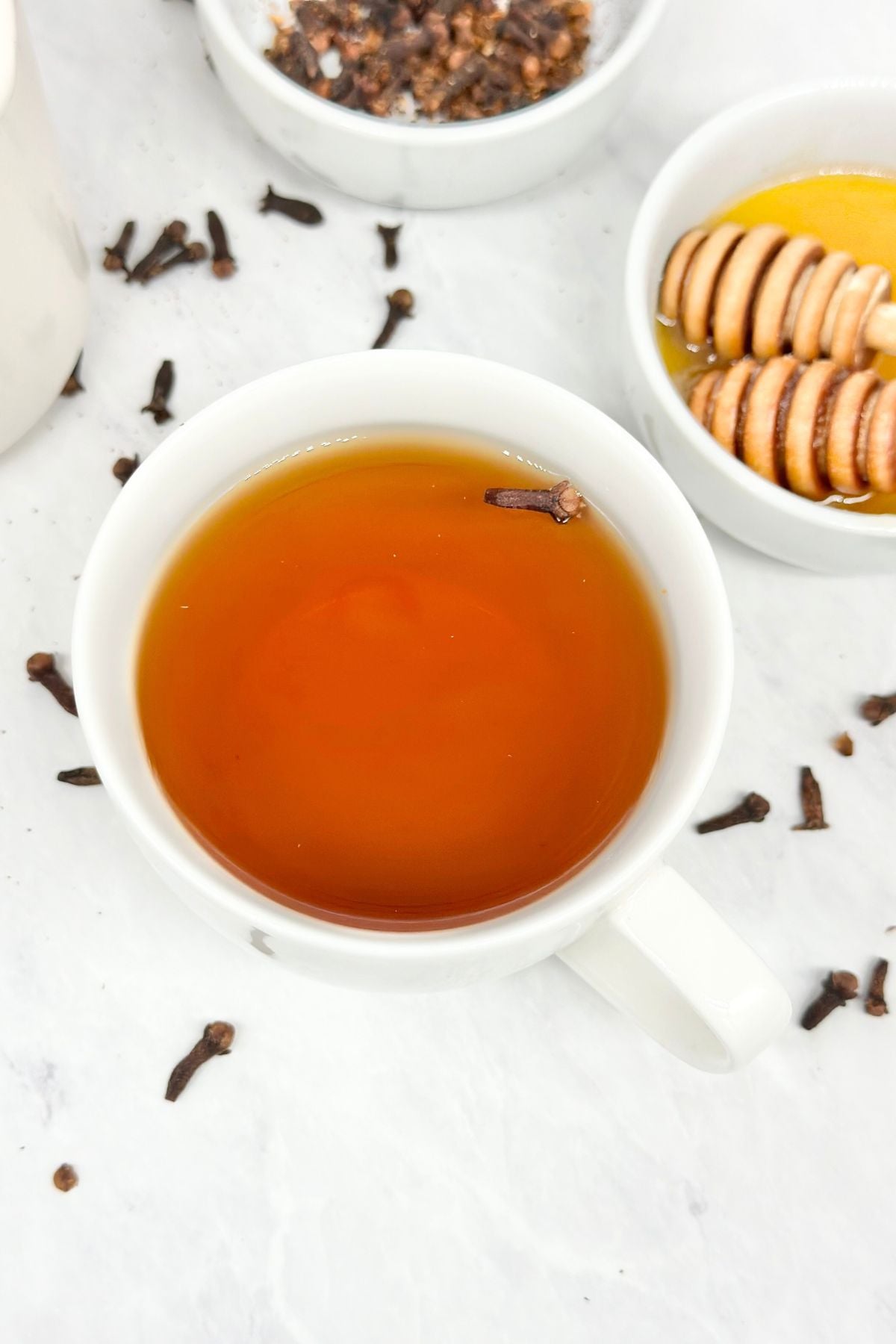
The Best clove tea recipe
This isn’t one of those fussy recipes that only comes out for special occasions. I make it on lazy Sunday afternoons when we’re all curled up with books, or first thing in the morning when the house is still quiet. It’s perfect for sipping while you watch the rain, but it’s just as good when you need a quick pick-me-up after shoveling snow or running errands. The best part? You can adjust the sweetness or add a splash of lemon to suit your mood. My youngest likes it with a little honey stirred in, while I prefer it straight up—just cloves and hot water, strong enough to clear your sinuses but still smooth going down. It’s one of those recipes that feels like a small, daily luxury, and I don’t think I’ll ever get tired of it.

Warm and Spiced Clove Tea
A soothing and aromatic herbal tea infused with the warm, sweet-spiced flavor of cloves. Perfect for cold days or as a digestive aid, this tea is naturally caffeine-free and rich in antioxidants.
🥘Ingredients
- 2 cups water
- 4-5 whole cloves (or ½ tsp ground cloves)
- 1 cinnamon stick (optional, for extra warmth)
- 1 tsp honey or maple syrup (optional, for sweetness)
- 1 tsp fresh lemon juice (optional, for brightness)
- 1 black tea bag (optional, for a caffeinated version)
👨🍳Directions
-
1
In a small saucepan, bring 2 cups of water to a gentle boil over medium heat. -
2
Add the whole cloves (and cinnamon stick, if using) to the boiling water. Reduce heat to low and let it simmer for 5-7 minutes to infuse the flavors. -
3
If using a black tea bag, add it to the saucepan and let it steep for 2-3 minutes (adjust time for desired strength). Remove the tea bag after steeping. -
4
Strain the tea into a mug or teapot using a fine mesh sieve to remove the cloves and cinnamon stick. -
5
Stir in honey or maple syrup (if using) and a squeeze of fresh lemon juice for added brightness. Serve warm.
🔧Equipment
- Small saucepan
- Tea strainer or fine mesh sieve
- Mug or teapot
- Spoon
📊Nutrition Facts (per serving)
📝Notes
Watch Video Of How Warm and Spiced Clove Tea Works
❓ Frequently Asked Questions About Warm and Spiced Clove Tea
1. What are the main health benefits of clove tea?
Clove tea is known for its numerous health benefits, primarily due to its active compound, eugenol. It has strong anti-inflammatory, antioxidant, and antimicrobial properties. Drinking clove tea may help relieve digestive issues like bloating and nausea, boost immunity, reduce toothache and sore throat pain, and even help regulate blood sugar levels. It’s also used as a natural remedy for respiratory conditions like coughs and colds.
2. How do I make clove tea at home?
Making clove tea is simple! Here’s a basic recipe:
– Boil 1 cup of water in a saucepan.
– Add 1–2 whole cloves (or ½ teaspoon of ground cloves) and let it simmer for 5–10 minutes.
– Strain the tea into a cup, and optionally add honey, lemon, or a cinnamon stick for extra flavor.
– Enjoy while warm. For a stronger brew, you can steep the cloves longer or use more cloves.
3. Can I drink clove tea every day?
Yes, you can drink clove tea daily in moderation. However, it’s best to limit consumption to 1–2 cups per day, as excessive intake may cause side effects like digestive discomfort or allergic reactions. If you’re pregnant, breastfeeding, or have a medical condition (such as liver disease or bleeding disorders), consult a healthcare provider before making it a regular part of your routine.
4. Does clove tea help with weight loss?
Clove tea may support weight loss indirectly by boosting metabolism and aiding digestion. Its anti-inflammatory properties can help reduce bloating, and its warming effect may promote better circulation. However, clove tea alone won’t cause significant weight loss—it should be combined with a balanced diet and regular exercise for best results.
5. Are there any side effects of drinking clove tea?
While clove tea is generally safe, overconsumption can lead to side effects such as:
– Nausea or vomiting
– Diarrhea
– Mouth irritation or allergic reactions
– Increased risk of bleeding (due to its blood-thinning properties)
– Liver damage (in very high doses)
If you experience any adverse effects, discontinue use and consult a doctor. Avoid clove tea if you’re on blood-thinning medications or have a clove allergy.