
chicken of the woods recipe

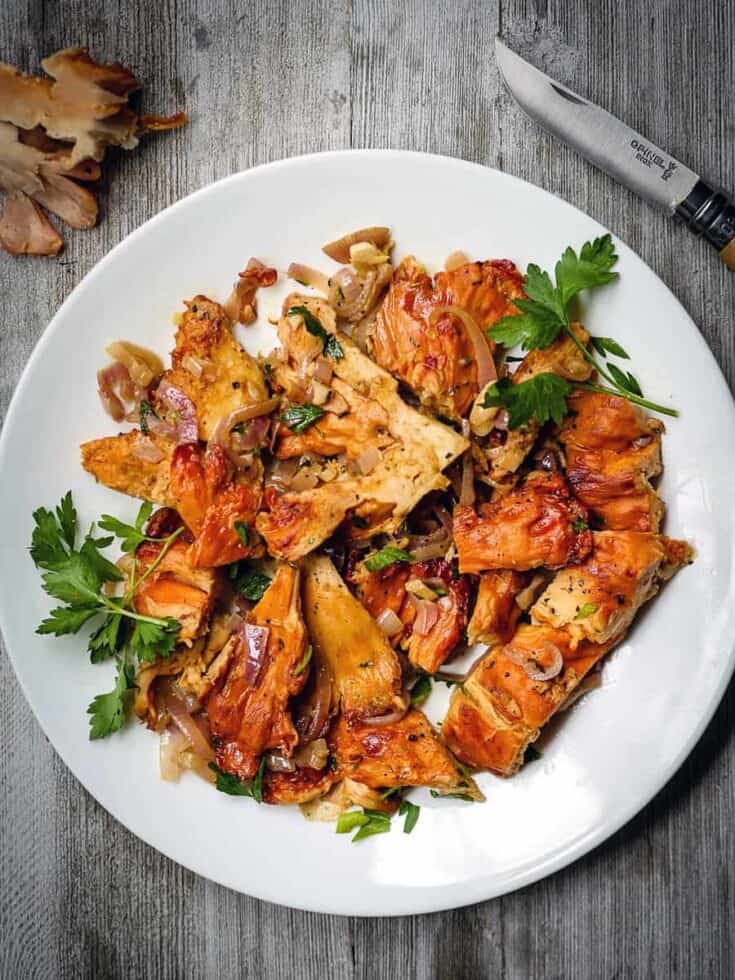
The Best chicken of the woods recipe
What I love most about this recipe is how versatile it is. You can sauté it with garlic and herbs for a simple stir-fry, shred it into tacos, or even bake it into a creamy casserole. Plus, chicken of the woods is packed with protein, fiber, and immune-boosting nutrients, making it a great alternative to meat if you’re trying to eat lighter. My kids don’t even realize they’re eating something good for them—they just know it tastes like the crispy, savory comfort food they love. It’s one of those rare dishes that checks all the boxes: easy, delicious, and nutritious. If you’ve never tried it before, this recipe is the perfect way to start.

Crispy Chicken of the Woods Stir-Fry
A savory and crispy stir-fry featuring wild Chicken of the Woods mushrooms, paired with vibrant vegetables and a tangy soy-ginger sauce. This dish is quick to prepare and packed with umami flavor.
🥘Ingredients
- 1 lb fresh Chicken of the Woods mushrooms, sliced into ½-inch pieces
- 2 tbsp cornstarch
- 1 tsp salt
- ½ tsp black pepper
- 2 tbsp neutral oil (e.g., avocado or vegetable oil)
- 1 red bell pepper, thinly sliced
- 1 yellow bell pepper, thinly sliced
- 1 cup snap peas, trimmed
- 3 cloves garlic, minced
- 1 tbsp fresh ginger, grated
- 3 green onions, sliced (white and green parts separated)
- 3 tbsp soy sauce (or tamari for gluten-free)
- 1 tbsp rice vinegar
- 1 tbsp honey or maple syrup
- 1 tbsp sesame oil
- 1 tsp sriracha (optional, for heat)
- 1 tsp cornstarch mixed with 1 tbsp water (slurry)
- 1 tbsp toasted sesame seeds
- 1 tbsp chopped cilantro or Thai basil
👨🍳Directions
-
1
Prepare the mushrooms: In a large bowl, toss the sliced Chicken of the Woods mushrooms with cornstarch, salt, and black pepper until evenly coated. -
2
Heat 1 tbsp of oil in a large skillet or wok over medium-high heat. Add the coated mushrooms in a single layer (work in batches if needed) and cook undisturbed for 3-4 minutes until golden and crispy. Flip and cook another 2-3 minutes. Transfer to a plate and set aside. -
3
In the same skillet, add the remaining 1 tbsp of oil. Add the white parts of the green onions, garlic, and ginger. Sauté for 30 seconds until fragrant. -
4
Add the bell peppers and snap peas to the skillet. Stir-fry for 3-4 minutes until the vegetables are tender-crisp. -
5
Whisk together the soy sauce, rice vinegar, honey, sesame oil, and sriracha in a small bowl. Pour the sauce into the skillet and stir to combine with the vegetables. -
6
Return the crispy mushrooms to the skillet and toss everything together. Stir in the cornstarch slurry and cook for 1-2 minutes until the sauce thickens slightly. -
7
Garnish with the green onion tops, sesame seeds, and cilantro. Serve immediately over steamed rice or noodles.
🔧Equipment
- Large skillet or wok
- Mixing bowls
- Tongs or spatula
- Chef’s knife
- Cutting board
- Small bowl for sauce
📊Nutrition Facts (per serving)
📝Notes
Watch Video Of How Crispy Chicken of the Woods Stir-Fry Works
❓ Frequently Asked Questions About Crispy Chicken of the Woods Stir-Fry
1. What is chicken of the woods, and how do I identify it?
Chicken of the woods (Laetiporus species) is a bright orange-to-yellow shelf fungus that grows on trees, often in overlapping clusters. It has a soft, moist texture when young and a mild, savory flavor reminiscent of chicken. To identify it safely, look for:
– Color: Vibrant orange, yellow, or salmon with a lighter underside (no gills).
– Texture: Soft and spongy when fresh; avoid tough or woody specimens.
– Location: Grows on living or dead hardwoods (oak, cherry, beech) or conifers (avoid conifer varieties, as some may cause stomach upset).
– No look-alikes: Unlike toxic mushrooms, it has no stem, gills, or cap—just shelves. When in doubt, consult an expert or field guide.
—
2. How do I clean and prepare chicken of the woods before cooking?
Proper cleaning ensures safety and the best texture:
1. Inspect: Discard any specimens with mold, slimy spots, or insect damage. Avoid older, tough, or woody pieces.
2. Rinse briefly: Use cold water to remove dirt or debris, but don’t soak—it absorbs water easily.
3. Trim: Cut off the tough base where it attaches to the tree. For large clusters, separate the tender edges from the center.
4. Pat dry: Use a clean towel to remove excess moisture to prevent steaming instead of browning.
5. Cook thoroughly: Always cook chicken of the woods—never eat it raw. Sauté, bake, or simmer until tender (about 10–15 minutes).
—
3. What’s the best way to cook chicken of the woods to mimic chicken?
Chicken of the woods shines when cooked to highlight its meaty texture. Try these methods:
– Sautéed: Cut into bite-sized pieces, coat in flour or batter, and pan-fry in butter or oil until golden (5–7 minutes). Season with salt, pepper, garlic, or herbs.
– Breaded: Dip in beaten egg, then breadcrumbs, and pan-fry or bake for a crispy “chicken” nugget effect.
– Stir-fried: Quickly cook with vegetables and soy sauce for an Asian-inspired dish.
– Pulled “chicken”: Simmer in broth with spices until tender, then shred for tacos, sandwiches, or BBQ.
– Grilled: Brush with oil and grill over medium heat for a smoky flavor.
Pro tip: Young, tender specimens work best for frying, while older ones are better in soups or stews.
—
4. Can I eat chicken of the woods raw, or does it need to be cooked?
Never eat chicken of the woods raw. While it’s not deadly, raw specimens can cause:
– Digestive upset: Nausea, vomiting, or diarrhea due to tough-to-digest compounds.
– Allergic reactions: Some people experience mild allergic responses (itchiness, swelling) when eating raw or undercooked.
– Toxicity risk: Certain tree hosts (like conifers) may produce toxins that cooking neutralizes.
Always cook it thoroughly (10–15 minutes) to break down fibers and ensure safety. If you’re foraging for the first time, try a small portion to test for personal tolerance.
—
5. How do I store chicken of the woods, and how long does it last?
Proper storage preserves freshness and prevents spoilage:
– Refrigerator: Wrap in paper towels, place in a paper bag, and store in the fridge for 3–5 days. Avoid plastic bags, which trap moisture and cause sliminess.
– Freezer: Blanch in boiling water for 2–3 minutes, cool in ice water, pat dry, and freeze in airtight containers for up to 6 months. Alternatively, cook it first, then freeze.
– Drying: Slice thinly and dehydrate at 135°F (57°C) for 6–8 hours. Store in an airtight container for up to a year. Rehydrate in warm water before use.
– Pickling: Preserve in vinegar with spices for a tangy condiment (lasts 2–3 months in the fridge).
Signs of spoilage: Slimy texture, sour smell, or dark discoloration. When in doubt, throw it out!