
bulgur wheat recipe

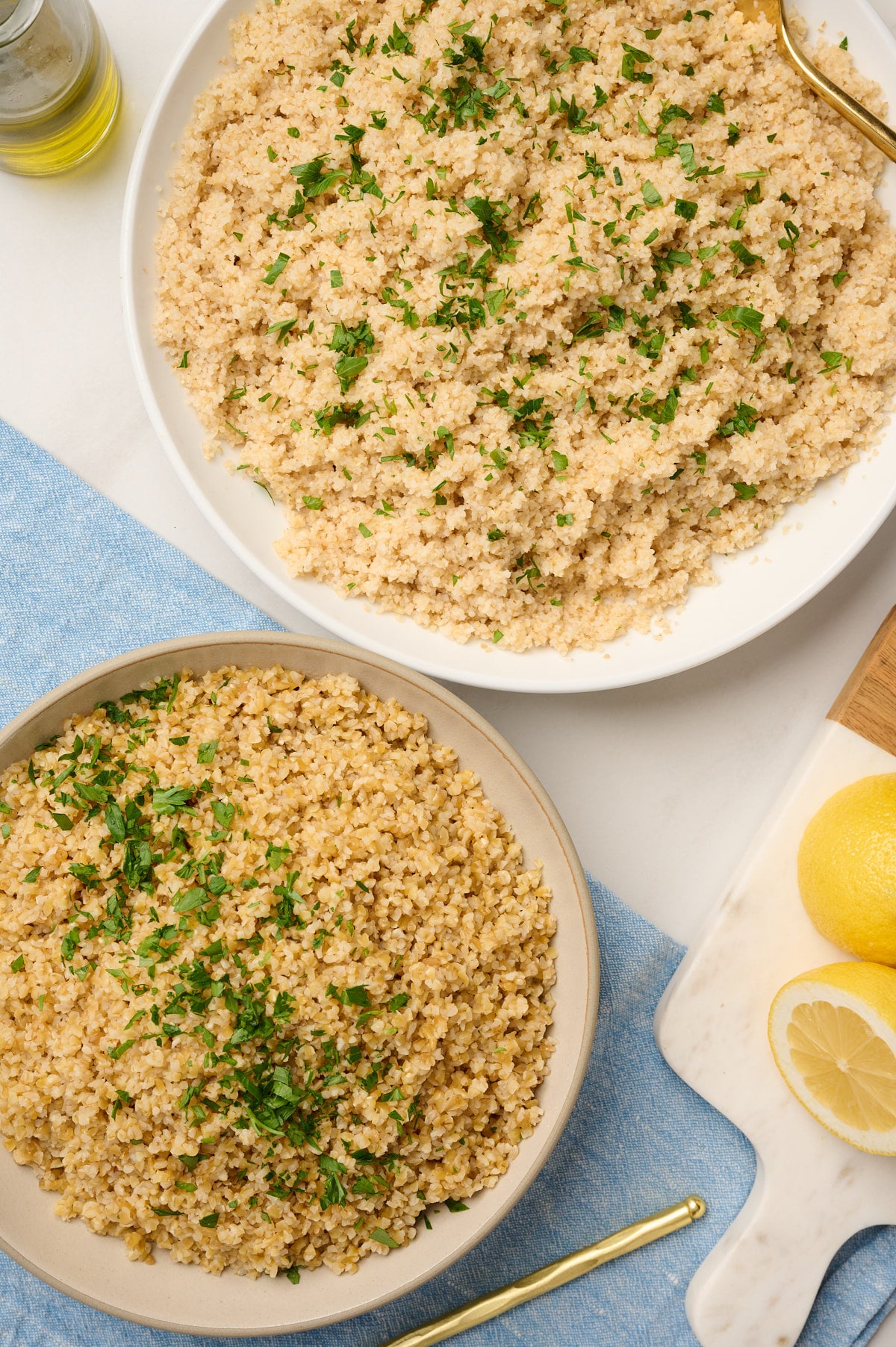
The Best bulgur wheat recipe
What I really appreciate about bulgur wheat is how quick and easy it is to prepare. Unlike rice or quinoa, it cooks in about 15 minutes, which makes it perfect for busy weeknights when I don’t have time to fuss over dinner. Plus, it’s a whole grain, so it’s loaded with fiber and nutrients, which is always a win in my book. My husband especially loves it because it keeps him full for hours, and I love that it’s a healthier alternative to refined grains like white rice or pasta.
This recipe is also incredibly versatile. I’ve served it as a side dish with grilled chicken, mixed it into salads, or even used it as a base for stuffed peppers. It’s one of those staples that works for casual family dinners, meal prep, or even potlucks because it’s always a crowd-pleaser. And since it’s so affordable, I don’t feel guilty about making a big batch and reheating it throughout the week. If you’re looking for a simple, nutritious, and delicious grain to add to your rotation, bulgur wheat is definitely worth trying.
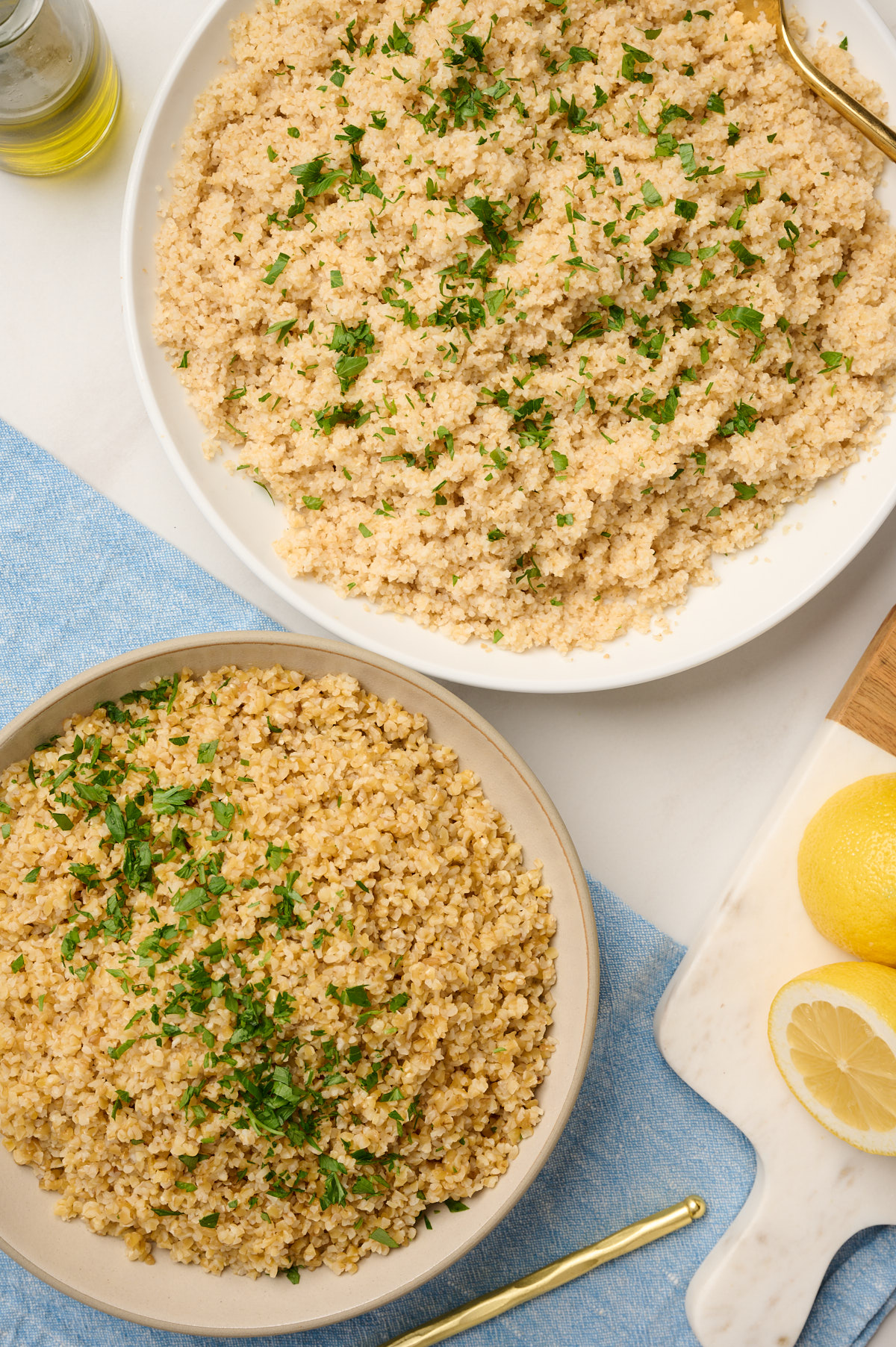
Mediterranean Bulgur Wheat Pilaf
A hearty and flavorful bulgur wheat dish packed with vegetables, herbs, and warm spices. This easy-to-make pilaf is perfect as a side or a light main course, offering a nutritious and satisfying meal.
🥘Ingredients
- 1 cup fine or medium bulgur wheat
- 2 cups vegetable or chicken broth
- 1 tbsp olive oil
- 1 small onion, finely diced
- 2 cloves garlic, minced
- 1 small red bell pepper, diced
- 1 small zucchini, diced
- 1 medium carrot, grated
- 1 tsp ground cumin
- 1 tsp smoked paprika
- ½ tsp ground turmeric
- ½ tsp dried oregano
- ½ tsp salt (or to taste)
- ¼ tsp black pepper
- 2 tbsp fresh parsley, chopped
- 1 tbsp fresh mint or cilantro, chopped (optional)
- ½ cup crumbled feta cheese
- ¼ cup toasted pine nuts or slivered almonds
- 1 tbsp lemon juice
- ½ cup chickpeas, drained and rinsed
👨🍳Directions
-
1
Rinse the bulgur wheat under cold water and drain well. Set aside. -
2
In a medium saucepan, heat the olive oil over medium heat. Add the diced onion and sauté for 3-4 minutes until softened. -
3
Add the minced garlic, diced red bell pepper, zucchini, and grated carrot. Cook for another 4-5 minutes, stirring occasionally, until the vegetables soften. -
4
Stir in the cumin, smoked paprika, turmeric, oregano, salt, and black pepper. Cook for 1 minute until fragrant. -
5
Add the bulgur wheat to the saucepan and stir to coat it with the spices and vegetables. -
6
Pour in the broth and bring to a gentle boil. Reduce the heat to low, cover, and simmer for 12-15 minutes, or until the bulgur is tender and the liquid is absorbed. -
7
Remove from heat and let it sit, covered, for 5 minutes. Fluff with a fork and stir in the fresh parsley, mint or cilantro, and lemon juice (if using). -
8
Taste and adjust seasoning if needed. Serve warm, topped with feta cheese, toasted nuts, or chickpeas if desired.
🔧Equipment
- Medium saucepan with lid
- Cutting board
- Chef’s knife
- Measuring cups and spoons
- Wooden spoon
- Mixing bowl
📊Nutrition Facts (per serving)
📝Notes
Watch Video Of How Mediterranean Bulgur Wheat Pilaf Works
❓ Frequently Asked Questions About Mediterranean Bulgur Wheat Pilaf
1. What is bulgur wheat, and how is it different from other grains?
Bulgur wheat is a whole grain made from cracked wheat, typically parboiled and dried for quicker cooking. Unlike whole wheat berries, bulgur is pre-cooked, so it requires less time to prepare. It has a light, nutty flavor and a slightly chewy texture, making it a versatile ingredient in salads, pilafs, and side dishes. Compared to quinoa or couscous, bulgur is higher in fiber and has a firmer bite.
2. How do I cook bulgur wheat properly?
To cook bulgur wheat, use a 1:2 ratio of bulgur to liquid (water, broth, or stock). Bring the liquid to a boil, add the bulgur, reduce heat to low, cover, and simmer for 10–12 minutes (or follow package instructions). Remove from heat and let it sit covered for 5–10 minutes to absorb any remaining liquid. Fluff with a fork before serving. For a no-cook method, soak bulgur in hot water for 20–30 minutes until tender.
3. Can I substitute bulgur wheat with other grains?
Yes, you can substitute bulgur with other grains depending on the recipe. For salads, quinoa or couscous works well, though they have different textures. For pilafs or stuffing, try cracked wheat (unparboiled) or farro, but adjust cooking times as needed. Keep in mind that bulgur’s unique nutty flavor and quick cooking time may not be perfectly replicated.
4. Is bulgur wheat gluten-free?
No, bulgur wheat is not gluten-free because it is made from wheat. If you need a gluten-free alternative, consider quinoa, buckwheat, millet, or certified gluten-free oats. Always check labels to ensure the product hasn’t been cross-contaminated with gluten during processing.
5. How should I store bulgur wheat, and how long does it last?
Store uncooked bulgur wheat in an airtight container in a cool, dry place (like a pantry) for up to 6 months. For longer storage, keep it in the refrigerator or freezer for up to a year. Cooked bulgur should be refrigerated in a sealed container and consumed within 3–4 days. If it develops an off smell or taste, discard it.