
sourdough recipe not bread

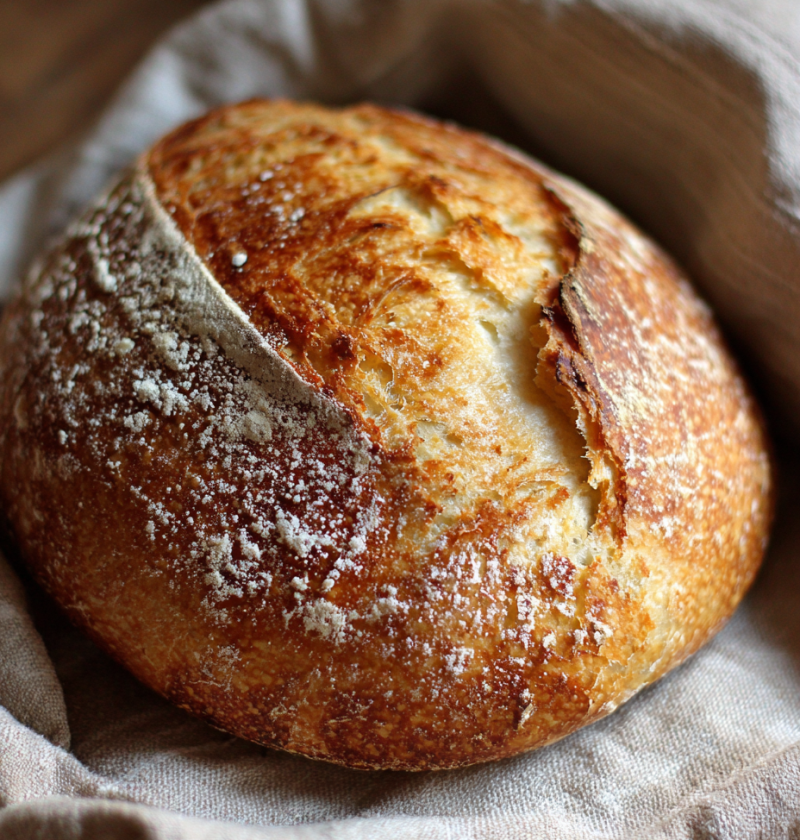
The Best sourdough recipe not bread
What I love most about this recipe is how it makes use of that sourdough discard that would otherwise go to waste. Instead of tossing it, you’re turning it into something delicious and nutritious. The tangy flavor from the starter adds depth, and the texture is just right—not too dense, not too light. Plus, it’s packed with gut-friendly probiotics, which is always a win in my book. My family eats it straight out of the oven, slathered with butter or jam, and it never lasts long. It’s perfect for breakfast, a side dish, or even a light lunch when you’re not in the mood for something heavy. If you’ve got a sourdough starter sitting in your fridge, this is the recipe to try.

Sourdough Pizza Dough
A tangy, flavorful sourdough pizza dough that adds depth to your homemade pizza. This recipe uses active sourdough starter for a chewy, crisp crust with a subtle sour note.
🥘Ingredients
- 1 cup (227g) active sourdough starter (100% hydration)
- 3 1/4 cups (400g) bread flour or all-purpose flour, plus more for dusting
- 1 1/4 cups (300ml) warm water (about 90°F/32°C)
- 1 1/2 tsp (9g) salt
- 1 tbsp (15ml) olive oil (optional, for extra tenderness)
- 1/2 cup (120ml) tomato sauce or pesto
- 8 oz (225g) shredded mozzarella cheese
- Toppings of your choice (pepperoni, vegetables, etc.)
👨🍳Directions
-
1
In a large mixing bowl, combine the sourdough starter and warm water. Mix until the starter is mostly dissolved. -
2
Add the flour and salt to the bowl. Mix with a wooden spoon or your hands until a shaggy dough forms. If using, add the olive oil at this stage. -
3
Cover the bowl with a damp towel or plastic wrap and let the dough rest for 30 minutes (autolyse). -
4
After resting, perform a series of stretch-and-folds: Wet your hands, grab one side of the dough, stretch it upward, and fold it over itself. Rotate the bowl and repeat 3-4 times. Cover and let rest for 30 minutes. -
5
Repeat the stretch-and-fold process 2-3 more times, spacing them 30 minutes apart. This develops gluten and strengthens the dough. -
6
After the final fold, cover the dough and let it ferment at room temperature (70-75°F/21-24°C) for 4-8 hours, or until doubled in size. For a slower fermentation, refrigerate for 8-12 hours. -
7
Once fermented, divide the dough into 2 equal portions (about 400g each). Shape each portion into a tight ball by pulling the edges toward the center and pinching them together. -
8
Place the dough balls on a lightly floured surface, cover, and let rest for 30 minutes to 1 hour (or refrigerate for up to 24 hours for a slower rise). -
9
Preheat your oven to 500°F (260°C) with a baking sheet or pizza stone inside for at least 30 minutes. -
10
On a lightly floured surface, stretch or roll one dough ball into a 12-inch (30cm) circle. Transfer to a piece of parchment paper or a floured pizza peel. -
11
Add your desired sauce, cheese, and toppings. Slide the pizza (with parchment if using) onto the preheated baking sheet or stone. -
12
Bake for 10-15 minutes, or until the crust is golden and the cheese is bubbly and slightly browned. Repeat with the second dough ball. -
13
Let the pizza cool for 2-3 minutes before slicing and serving.
🔧Equipment
- Large mixing bowl
- Kitchen scale (recommended)
- Dough scraper
- Clean kitchen towel or plastic wrap
- Baking sheet or pizza stone
- Parchment paper (optional)
📊Nutrition Facts (per serving)
📝Notes
Watch Video Of How Sourdough Pizza Dough Works
❓ Frequently Asked Questions About Sourdough Pizza Dough
1. How do I know when my sourdough starter is ready to use?
Your sourdough starter is ready when it consistently doubles in size within 4–8 hours after feeding, has a bubbly and slightly domed surface, and smells tangy or slightly fruity (not harsh or rotten). A simple float test—dropping a small spoonful of starter into water—can also help; if it floats, it’s likely active enough for baking.
2. Can I use whole wheat or rye flour instead of all-purpose for my starter?
Yes! Whole wheat and rye flours are excellent for starters because they contain more nutrients and microbes, which can speed up fermentation. However, they may require more frequent feedings (every 12–24 hours) since they ferment faster. If switching flours, do so gradually to avoid shocking the starter.
3. Why does my sourdough starter smell like vinegar or alcohol?
A strong vinegar or alcohol smell is normal and indicates your starter is hungry (underfed) or fermenting too long between feedings. To fix this, discard most of the starter (keep 20–30g) and feed it with fresh flour and water at a 1:1:1 ratio (starter:flour:water). Feed it more frequently (every 12 hours) until the smell balances out to a mild tang.
4. How do I revive a neglected or dried-out sourdough starter?
To revive a neglected starter, scrape off any discolored or moldy parts (if present), then take 20–30g of the remaining starter and mix it with equal parts flour and water (e.g., 20g starter + 20g flour + 20g water). Feed it every 12–24 hours, discarding half before each feeding. It may take 3–5 days to regain strength. For a dried starter, crumble it into a jar, add equal parts flour and water, and follow the same feeding schedule.
5. Can I store my sourdough starter in the fridge, and how often should I feed it?
Yes, storing your starter in the fridge slows fermentation, allowing you to feed it less often. After feeding it (1:1:1 ratio), let it sit at room temperature for 1–2 hours to activate, then refrigerate. Feed it every 1–2 weeks while stored. Before using it, take it out, feed it 1–2 times at room temperature (every 12 hours) to wake it up, and ensure it’s bubbly and active.