
danish kringle recipe

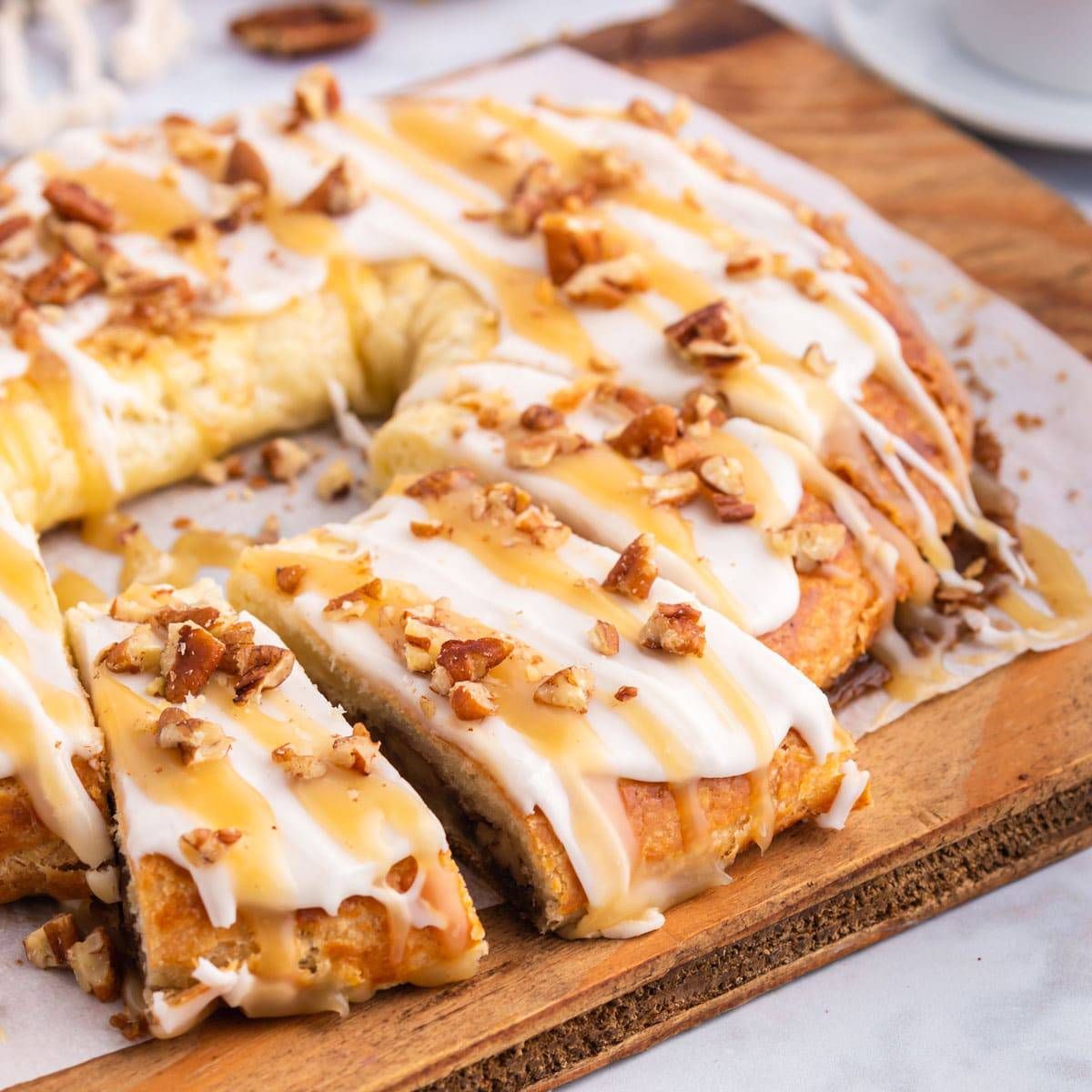
The Best danish kringle recipe
What I love most about this recipe is how versatile it is. You can fill it with whatever you have on hand—apricot jam, raspberry preserves, or even a simple cinnamon-sugar mix—and it still turns out amazing. Plus, it’s not as heavy as some other pastries, so you don’t feel weighed down after eating it. The dough itself is made with real butter and a touch of sour cream, which gives it that melt-in-your-mouth texture without being overly greasy. And because it’s not overly sweet, it’s a great option if you’re trying to balance indulgence with something a little more wholesome. My family always asks for seconds, and I don’t blame them—it’s just that good.

Classic Danish Kringle
A flaky, buttery Danish pastry filled with almond paste and topped with icing. This traditional treat is perfect for breakfast or dessert, offering a delightful balance of sweetness and texture.
🥘Ingredients
- 2 1/2 cups all-purpose flour
- 1/4 tsp salt
- 1 cup unsalted butter, cold and cubed
- 1 cup sour cream
- 1 large egg yolk
- 1 cup almond paste (or marzipan)
- 1/2 cup unsalted butter, softened
- 1/2 cup granulated sugar
- 1 large egg
- 1 tsp almond extract
- 1/2 cup sliced almonds (optional)
- 1 cup powdered sugar
- 2-3 tbsp milk or water
- 1/2 tsp vanilla extract
👨🍳Directions
-
1
Prepare the dough: In a large bowl, combine flour and salt. Cut in the cold butter until the mixture resembles coarse crumbs. Stir in sour cream and egg yolk until a dough forms. -
2
Divide the dough into two equal parts, flatten into discs, wrap in plastic, and refrigerate for at least 2 hours (or overnight). -
3
Preheat oven to 375°F (190°C). Line a baking sheet with parchment paper. -
4
Make the filling: In a bowl, beat almond paste, butter, sugar, egg, and almond extract until smooth. Set aside. -
5
Roll out one dough disc on a floured surface into a 12×8-inch rectangle. Spread half the filling over the dough, leaving a 1-inch border. Sprinkle with sliced almonds (if using). -
6
Roll the dough tightly from the long side, pinching the seam to seal. Repeat with the second dough disc and remaining filling. -
7
Place both rolls seam-side down on the baking sheet, shaping each into an oval (kringle shape). Cut diagonal slits along the top of each roll for venting. -
8
Bake for 25-30 minutes or until golden brown. Let cool on a wire rack for 15 minutes. -
9
Prepare the icing: Whisk powdered sugar, milk, and vanilla until smooth. Drizzle over the warm kringle. Let set before slicing.
🔧Equipment
- Mixing bowls
- Pastry cutter or fork
- Rolling pin
- Baking sheet
- Parchment paper
- Oven
- Cooling rack
📊Nutrition Facts (per serving)
📝Notes
Watch Video Of How Classic Danish Kringle Works
❓ Frequently Asked Questions About Danish Kringle
1. What is a Danish kringle, and how is it different from other pastries?
A Danish kringle is a traditional Scandinavian pastry made from flaky, buttery dough that’s often shaped into an oval or pretzel-like ring. Unlike croissants or Danish pastries, which use laminated dough, kringle dough is typically enriched with butter and sometimes includes a filling like almond paste, fruit, or custard. It’s also known for its signature icing drizzle on top, which sets it apart from other European pastries.
2. Can I make kringle dough ahead of time?
Yes! You can prepare the dough a day in advance and refrigerate it overnight. This allows the gluten to relax, making it easier to shape. You can also freeze the dough (wrapped tightly) for up to a month. If freezing, thaw it in the fridge overnight before shaping and baking. Just be sure to let the dough come to room temperature slightly before rolling it out.
3. What are the most popular fillings for Danish kringle?
The most traditional fillings include:
– Almond paste (marzipan mixed with butter and sugar)
– Raspberry or apricot jam (often paired with almond paste)
– Custard or pastry cream (for a creamy texture)
– Apple or cherry compote (for a fruity twist)
– Nutella or chocolate (a modern favorite)
Many recipes combine two fillings, like almond paste with jam, for a balanced sweetness.
4. Why does my kringle dough tear when I roll it out?
Tearing usually happens if the dough is too cold or overworked. To prevent this:
– Let the dough sit at room temperature for 10–15 minutes before rolling.
– Roll it gently, starting from the center and working outward.
– If it resists, cover it and let it rest for 5–10 minutes before trying again.
– Dust your surface lightly with flour, but avoid adding too much, as it can dry out the dough.
5. How do I store leftover kringle, and how long does it stay fresh?
To keep kringle fresh:
– Room temperature: Store in an airtight container for up to 3 days. The icing may soften, but the pastry will stay moist.
– Refrigerator: Wrap tightly in plastic wrap or foil for up to 5 days. Reheat slices in the oven at 300°F (150°C) for 5–10 minutes to restore crispness.
– Freezer: Slice and freeze for up to 3 months. Thaw at room temperature or warm in the oven before serving. Avoid freezing kringle with delicate fillings like custard, as they may separate.