
recipe with fresh basil

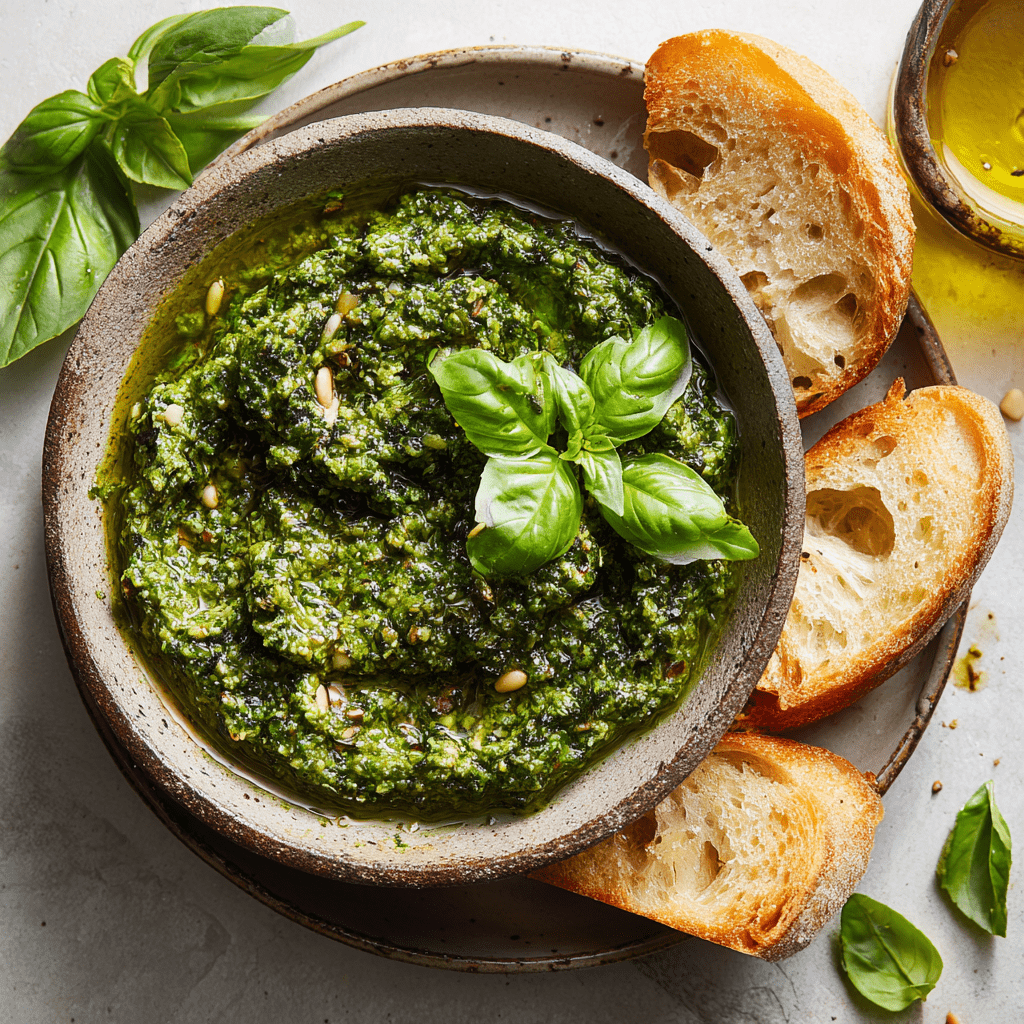
The Best recipe with fresh basil
What I really appreciate about this recipe is how versatile it is. You can toss the basil into pasta, layer it on sandwiches, or even blend it into a quick sauce. Plus, basil isn’t just delicious—it’s packed with good-for-you stuff like antioxidants and vitamins A and K. It’s one of those ingredients that makes you feel like you’re doing something good for your body without sacrificing flavor. And let’s be honest, when a recipe checks all the boxes—easy, healthy, and loved by the whole family—it’s a keeper. I always make sure to have a bunch of fresh basil on hand because this dish is one I come back to again and again.
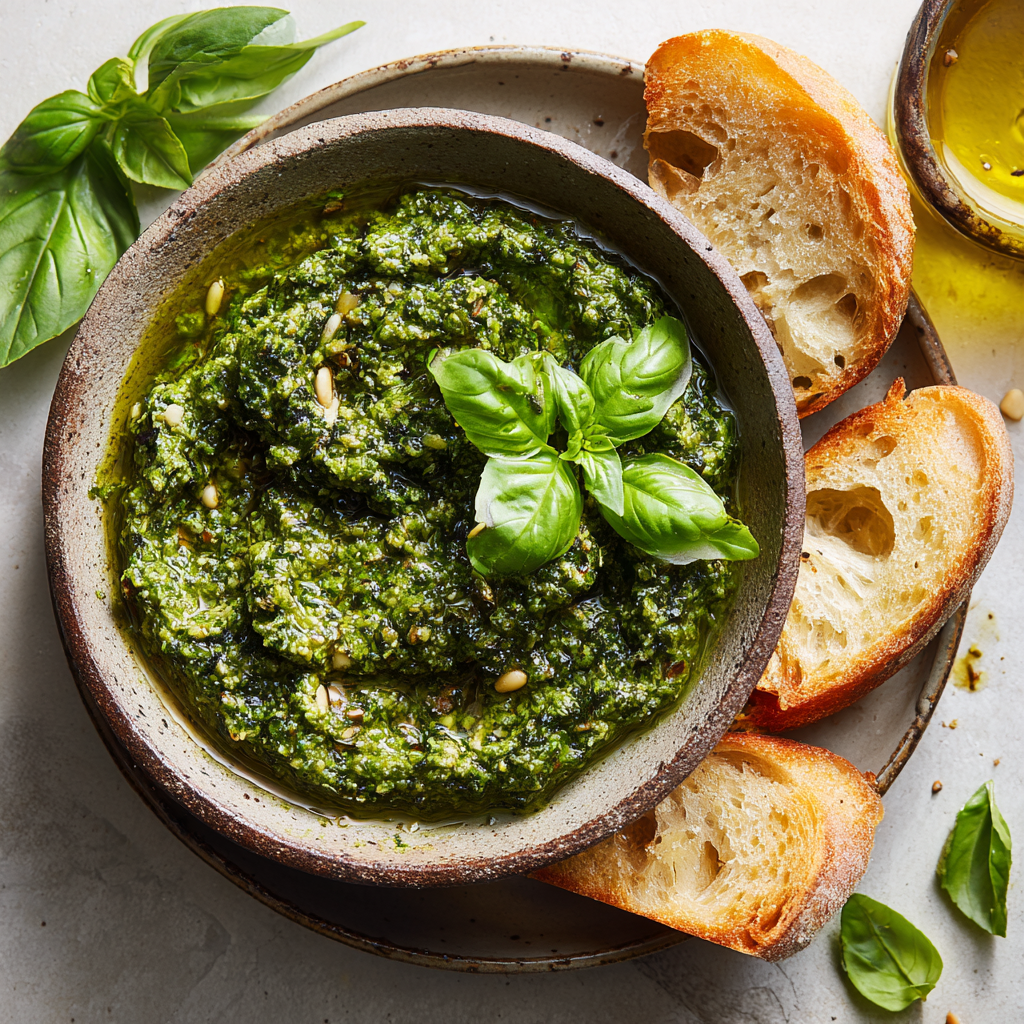
Fresh Basil Pesto Pasta with Cherry Tomatoes
A vibrant and flavorful pasta dish featuring homemade basil pesto, sweet cherry tomatoes, and al dente pasta. This quick and easy recipe brings the freshness of summer to your table with minimal effort.
🥘Ingredients
- 2 cups fresh basil leaves, packed
- 1/2 cup freshly grated Parmesan cheese
- 1/2 cup extra-virgin olive oil
- 1/3 cup pine nuts or walnuts
- 3 cloves garlic, minced
- 1/2 tsp salt
- 1/4 tsp black pepper
- 12 oz (340g) pasta (spaghetti, linguine, or penne)
- 1 cup cherry tomatoes, halved
- 2 tbsp reserved pasta water
- 1/4 cup grated Parmesan cheese (for serving)
- Fresh basil leaves (for garnish)
👨🍳Directions
-
1
Bring a large pot of salted water to a boil. Cook the pasta according to package instructions until al dente. Reserve 1/2 cup of pasta water before draining. -
2
While the pasta cooks, make the pesto. In a food processor, combine basil, Parmesan, olive oil, pine nuts, garlic, salt, and pepper. Pulse until smooth, scraping down the sides as needed. -
3
In a large mixing bowl, combine the cooked pasta, pesto, and cherry tomatoes. Toss gently to coat, adding reserved pasta water 1 tbsp at a time if needed to loosen the sauce. -
4
Divide the pasta among plates, garnish with extra Parmesan cheese and fresh basil leaves, and serve immediately.
🔧Equipment
- Food processor or blender
- Large pot
- Colander
- Mixing bowl
- Wooden spoon
📊Nutrition Facts (per serving)
📝Notes
Watch Video Of How Fresh Basil Pesto Pasta with Cherry Tomatoes Works
❓ Frequently Asked Questions About Fresh Basil Pesto Pasta with Cherry Tomatoes
1. Can I use dried basil instead of fresh basil in recipes?
Yes, you can substitute dried basil for fresh, but the flavor won’t be as vibrant. Use about 1/3 the amount of dried basil since it’s more concentrated. For example, if a recipe calls for 1 tablespoon of fresh basil, use 1 teaspoon of dried. Add dried basil earlier in cooking to allow its flavors to develop.
2. How do I store fresh basil to keep it fresh longer?
To extend fresh basil’s shelf life:
– Trim the stems and place the bunch in a glass of water (like flowers), covering the leaves loosely with a plastic bag. Store at room temperature, away from direct sunlight.
– Refrigerate only if necessary—wrap the leaves in a damp paper towel and store in an airtight container for up to 5 days.
– Freeze basil by blanching leaves, patting them dry, and storing in a freezer bag for up to 6 months (best for cooked dishes).
3. What dishes pair best with fresh basil?
Fresh basil shines in:
– Italian cuisine: Pesto, caprese salad, bruschetta, and pasta sauces (like marinara or Alfredo).
– Asian dishes: Thai basil in curries, pho, or stir-fries.
– Mediterranean meals: Greek salads, grilled vegetables, or as a garnish for hummus.
– Beverages: Infused in lemonade, cocktails (e.g., mojitos), or herbal teas.
4. How do I make a simple basil pesto?
Blend these ingredients until smooth:
– 2 cups fresh basil leaves (packed)
– 1/3 cup pine nuts, walnuts, or almonds (toasted)
– 1/2 cup grated Parmesan cheese
– 2 garlic cloves
– 1/2 cup olive oil
– Salt and pepper to taste
Adjust consistency with more oil if needed. Store in the fridge for up to 5 days or freeze for longer use.
5. Why does fresh basil turn black when cut or stored?
Basil leaves oxidize quickly when exposed to air, causing them to darken. To prevent this:
– Use a sharp knife to minimize bruising when chopping.
– Add lemon juice or vinegar to cut basil to slow oxidation.
– Store properly (see Q2) and avoid overcrowding leaves in containers. If leaves turn black, they’re still safe to eat but may taste bitter.