jello diet recipe

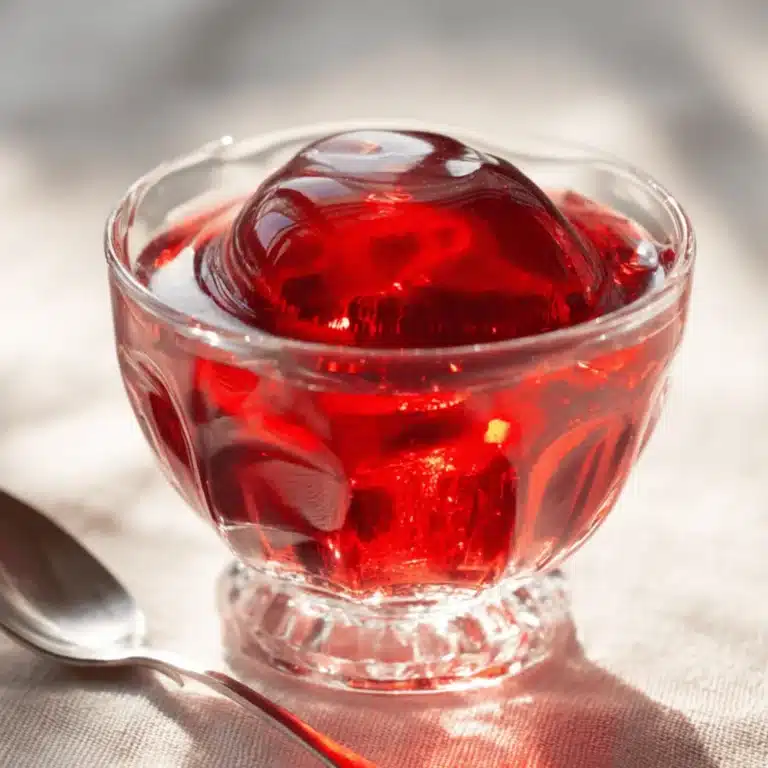
The Best jello diet recipe
The best part is how versatile it is. It’s perfect for potlucks, picnics, or even as a make-ahead option for busy weeknights. And since it’s low in calories but still satisfying, it fits right into a balanced diet. The gelatin itself has some great benefits too—it’s good for your joints, skin, and digestion. Plus, it’s a sneaky way to get my kids to eat more fruit without them even realizing it. If you’re looking for something simple, healthy, and crowd-pleasing, this is the recipe to try.

Low-Calorie Jello Diet Delight
A refreshing and guilt-free dessert or snack made with sugar-free Jello, fresh fruits, and a touch of yogurt. Perfect for those watching their calorie intake while satisfying sweet cravings.
🥘Ingredients
- 1 (0.3 oz) box sugar-free Jello (any flavor)
- 1 cup boiling water
- 1 cup cold water
- 1/2 cup fresh berries (strawberries, blueberries, or raspberries)
- 1/4 cup non-fat Greek yogurt
- 1 tbsp chopped nuts (almonds or walnuts, optional)
👨🍳Directions
-
1
In a medium mixing bowl, pour the boiling water over the sugar-free Jello powder. Whisk until the powder is completely dissolved. -
2
Stir in the cold water until well combined. -
3
Pour the Jello mixture evenly into 4 small serving cups or ramekins. -
4
Refrigerate for at least 4 hours or until the Jello is fully set. -
5
Before serving, top each cup with fresh berries, a dollop of Greek yogurt, and a sprinkle of chopped nuts (if using).
🔧Equipment
- Medium mixing bowl
- Whisk or fork
- Measuring cups
- 4 small serving cups or ramekins
- Refrigerator
📊Nutrition Facts (per serving)
📝Notes
Watch Video Of How Low-Calorie Jello Diet Delight Works
❓ Frequently Asked Questions About Low-Calorie Jello Diet Delight
1. What is the Jello Diet Recipe, and how does it work?
The Jello Diet Recipe is a short-term weight loss plan that involves consuming sugar-free gelatin (Jello) as a low-calorie, high-protein snack or meal replacement. It works by reducing overall calorie intake while providing a feeling of fullness due to the protein and water content in gelatin. Some versions include adding fruits, vegetables, or protein powder to enhance nutrition.
2. Is the Jello Diet safe for long-term weight loss?
No, the Jello Diet is not recommended for long-term use. While it may help with quick weight loss due to its low-calorie nature, it lacks essential nutrients like vitamins, minerals, and healthy fats. Prolonged use can lead to nutritional deficiencies, muscle loss, and metabolic slowdown. It’s best used as a short-term detox or between-meal snack, not a sustainable diet.
3. Can I eat anything else while on the Jello Diet?
Yes, most versions of the Jello Diet allow for additional low-calorie foods like lean proteins (chicken, fish), non-starchy vegetables (spinach, cucumbers), and small portions of fruit. Some plans also include broths or herbal teas. However, high-calorie, processed, or sugary foods should be avoided to maximize results.
4. How much weight can I lose on the Jello Diet?
Weight loss varies depending on factors like starting weight, metabolism, and activity level. Some people report losing 3–10 pounds in a week, but much of this is water weight. Sustainable weight loss is typically 1–2 pounds per week, so the Jello Diet may not be effective for long-term fat loss without lifestyle changes.
5. Are there any side effects of the Jello Diet?
Possible side effects include hunger, fatigue, dizziness, or digestive issues (like bloating or constipation) due to the low fiber and calorie intake. Sugar-free Jello may also contain artificial sweeteners, which can cause headaches or digestive discomfort in some people. Staying hydrated and consulting a doctor before starting is recommended.