
cuban cooking recipe

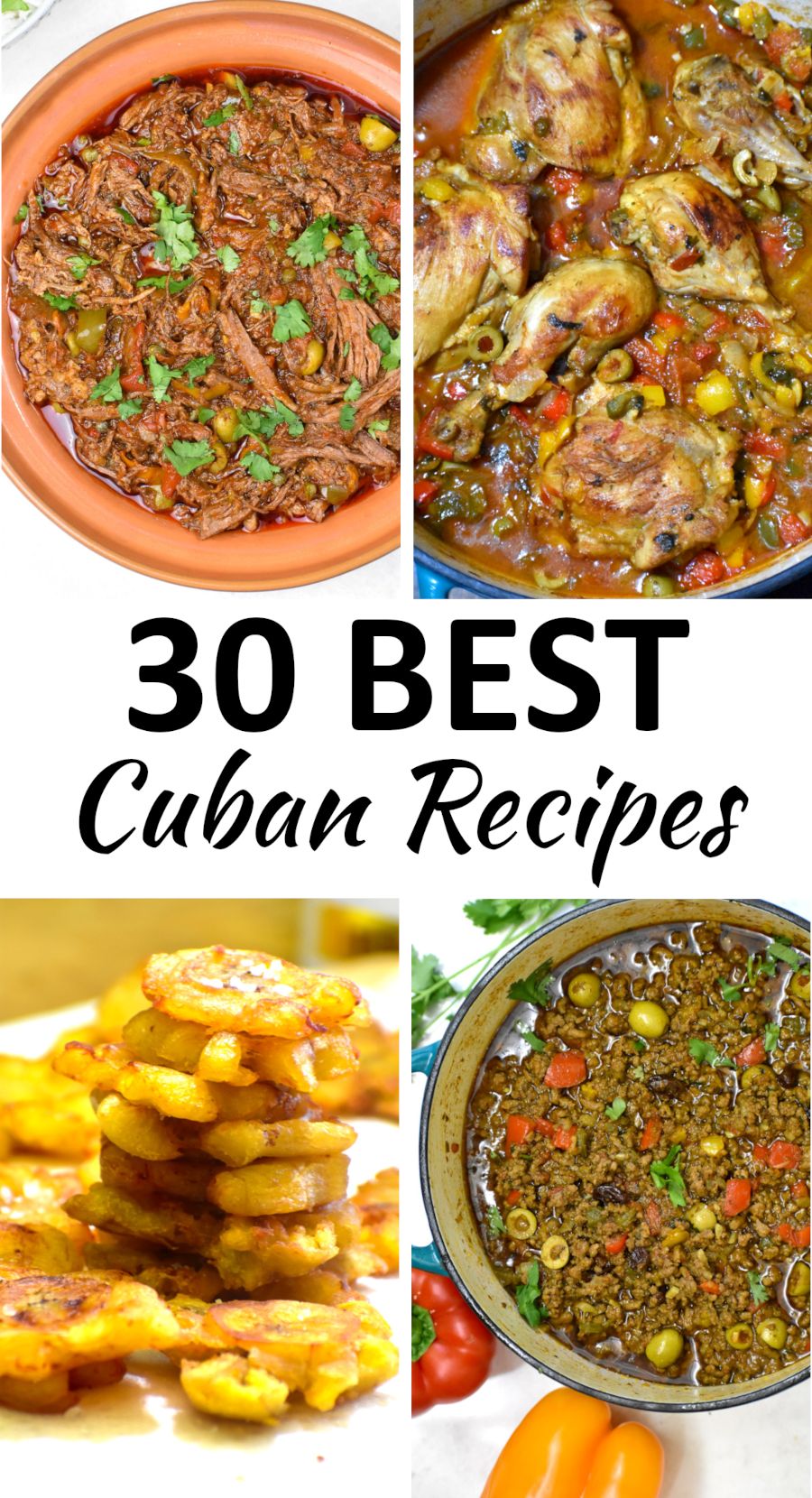
The Best cuban cooking recipe
What I appreciate most about this recipe is how balanced it is. Black beans are a great source of plant-based protein and iron, and when you pair them with bell peppers, onions, and garlic, you’re getting a solid dose of vitamins and antioxidants. I usually serve it with a side of brown rice or a sprinkle of fresh cilantro, which adds texture and brightness. It’s filling without being overly rich, and it’s one of those meals that everyone in the family—even the picky eaters—will actually eat without complaint.
I’ve tweaked the recipe over the years to make it a little lighter, like using low-sodium broth and cutting back on the oil, but it still keeps that deep, smoky flavor that makes Cuban food so comforting. Whether I’m making it for a casual dinner or a potluck with friends, it’s always a hit. Plus, it’s one of those dishes that doesn’t require fancy ingredients or a lot of hands-on time, which is a win in my book. If you’re looking for a meal that’s nourishing, easy, and satisfying, this is it.

Cuban Picadillo
A classic Cuban comfort dish featuring seasoned ground beef, tomatoes, olives, and raisins. This savory-sweet mixture is perfect served over white rice or used as a filling for empanadas.
🥘Ingredients
- 1 lb ground beef (85% lean)
- 1 small onion, finely chopped
- 1 green bell pepper, finely chopped
- 4 cloves garlic, minced
- 1 (8 oz) can tomato sauce
- 1/2 cup pimento-stuffed green olives, sliced
- 1/4 cup raisins
- 2 tbsp capers (optional)
- 1 tsp ground cumin
- 1 tsp dried oregano
- 1 bay leaf
- 1/2 tsp salt
- 1/4 tsp black pepper
- 2 tbsp olive oil
- 1/4 cup white wine (optional)
- 2 cups cooked white rice
- 1/2 cup sliced almonds, toasted (optional)
👨🍳Directions
-
1
Heat olive oil in a large skillet over medium heat. Add the chopped onion and bell pepper, sautéing for 3-4 minutes until softened. -
2
Add the minced garlic and cook for an additional 30 seconds until fragrant. -
3
Increase heat to medium-high, add the ground beef, and cook until browned, breaking it apart with a wooden spoon (about 5-6 minutes). -
4
Drain excess fat if necessary, then stir in the tomato sauce, cumin, oregano, bay leaf, salt, and black pepper. Cook for 2 minutes. -
5
Add the olives, raisins, capers (if using), and white wine (if using). Reduce heat to low and simmer for 15-20 minutes, stirring occasionally, until the mixture thickens. -
6
Remove the bay leaf and adjust seasoning if needed. Serve hot over cooked white rice, garnished with toasted almonds if desired.
🔧Equipment
- Large skillet or sauté pan
- Cutting board
- Chef’s knife
- Wooden spoon
- Measuring cups and spoons
📊Nutrition Facts (per serving)
📝Notes
Watch Video Of How Cuban Picadillo Works
❓ Frequently Asked Questions About Cuban Picadillo
1. What are the essential ingredients in Cuban cooking?
Cuban cuisine relies on a few staple ingredients that form the foundation of many dishes. These include white rice, black beans, plantains, pork (especially lechón or roasted pork), garlic, onions, cumin, oregano, and citrus (like sour orange or lime). Sofrito—a mix of sautéed onions, garlic, bell peppers, and tomatoes—is also a key flavor base. Many recipes use olive oil and bay leaves for depth.
2. What makes Cuban black beans different from other Latin American black beans?
Cuban black beans (frijoles negros) are distinct for their rich, smoky-sweet flavor, achieved through slow cooking with ingredients like bay leaves, cumin, oregano, and sometimes a touch of sugar or vinegar. Unlike Mexican or Brazilian black beans, Cuban versions are often cooked until creamy and served as a thick, saucy side dish rather than a brothy soup. They’re also traditionally paired with white rice (moros y cristianos).
3. How do I make authentic Cuban ropa vieja?
Ropa vieja (“old clothes”) is Cuba’s national dish—a shredded beef stew in a tomato-based sauce. To make it authentically:
– Slow-cook flank steak or brisket with onions, bell peppers, garlic, and spices until tender.
– Shred the beef and simmer it in a sauce of tomatoes, white wine, olives, and capers.
– Serve with white rice, black beans, and fried plantains. The key is patience—low and slow cooking ensures tender, flavorful meat.
4. Why are plantains so important in Cuban cuisine?
Plantains are a cornerstone of Cuban cooking, used in both sweet and savory dishes. Green plantains are starchy and firm, ideal for tostones (twice-fried crispy slices) or mariquitas (thin chips). Ripe plantains are sweet and soft, perfect for maduros (caramelized fried plantains). They balance rich meats like lechón or ropa vieja and add texture to meals. Their versatility makes them indispensable in Cuban kitchens.
5. What’s the secret to perfect Cuban coffee?
Cuban coffee (café cubano) is strong, sweet, and served in small portions. The secret lies in:
– Using finely ground dark roast coffee (traditionally Cubita or Pilon).
– Brewing it in a moka pot or cafetera for a concentrated shot (tacita).
– Whipping sugar with the first few drops of coffee (espuma) to create a frothy, sweet foam.
– Serving it in tiny cups (demitasse) for a bold, sweet kick. For cortadito, mix it with steamed milk.