
authentic indian chicken curry recipe

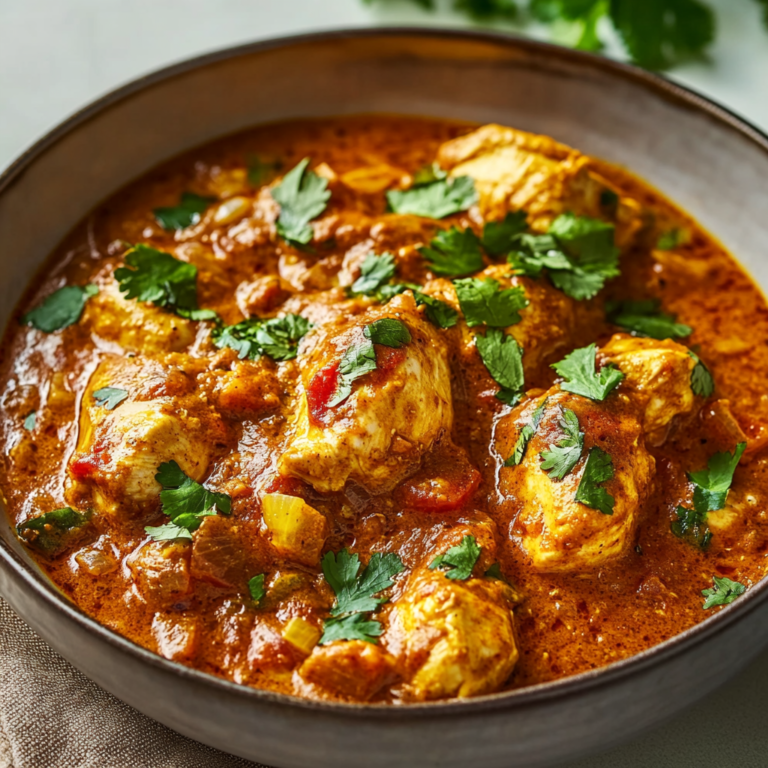
The Best authentic indian chicken curry recipe
What I love most about this recipe is how versatile it is. It’s great for a casual family meal, but it also holds up beautifully if you’re having friends over for dinner. The spices are warm and aromatic, but not so intense that they overwhelm the dish. Plus, it’s packed with protein from the chicken and has a good mix of vegetables, so I feel good about serving it to my family. The best part? It tastes even better the next day, so leftovers are never a problem. If you’re looking for a curry that’s simple, satisfying, and always a hit, this is the one to try.
Authentic Indian Chicken Curry (Murgh Kari)
A rich and aromatic Indian chicken curry featuring tender chicken simmered in a fragrant blend of spices, tomatoes, and coconut milk. This classic dish is perfect with steamed basmati rice or fresh naan bread.
🥘Ingredients
- 1.5 lbs (700g) boneless chicken thighs, cut into bite-sized pieces
- 1/2 cup plain yogurt
- 1 tbsp ginger-garlic paste (or 1 tbsp each minced ginger and garlic)
- 1 tsp turmeric powder
- 1 tsp red chili powder
- 1 tsp garam masala
- 1 tsp salt
- 3 tbsp ghee or vegetable oil
- 2 large onions, finely chopped
- 2 tomatoes, pureed or finely chopped
- 1/2 cup coconut milk (optional, for creaminess)
- 1 tbsp ginger-garlic paste (or 1 tbsp each minced ginger and garlic)
- 1 tsp cumin seeds
- 1 bay leaf
- 1-inch cinnamon stick
- 2 green cardamom pods
- 2 cloves
- 1 tsp coriander powder
- 1 tsp cumin powder
- 1 tsp red chili powder (adjust to taste)
- 1 tsp turmeric powder
- 1 tsp garam masala
- 1 tsp kasuri methi (dried fenugreek leaves), crushed
- 1 tsp sugar (optional, to balance acidity)
- Salt to taste
- 1/4 cup fresh cilantro, chopped (for garnish)
- 1 green chili, slit (optional, for heat)
👨🍳Directions
-
1
Marinate the chicken: In a large bowl, combine chicken pieces with yogurt, ginger-garlic paste, turmeric, red chili powder, garam masala, and salt. Mix well, cover, and refrigerate for at least 30 minutes (or up to 2 hours for deeper flavor). -
2
Heat ghee or oil in a heavy-bottomed pot over medium heat. Add cumin seeds, bay leaf, cinnamon stick, cardamom pods, and cloves. Sauté for 30 seconds until fragrant. -
3
Add chopped onions and cook until golden brown (about 8-10 minutes), stirring occasionally. Add ginger-garlic paste and green chili (if using), and sauté for 1-2 minutes. -
4
Stir in coriander powder, cumin powder, red chili powder, and turmeric. Cook for 1 minute, stirring constantly to prevent burning. -
5
Add tomato puree or chopped tomatoes and cook until the oil separates from the mixture (about 5-7 minutes). Stir in sugar (if using) and salt. -
6
Add the marinated chicken to the pot and cook for 5 minutes, stirring occasionally, until the chicken turns opaque. -
7
Pour in 1/2 cup of water (or coconut milk for a creamier curry) and bring to a simmer. Reduce heat to low, cover, and cook for 20-25 minutes, stirring occasionally, until the chicken is tender and fully cooked. -
8
Sprinkle garam masala and crushed kasuri methi over the curry. Stir well and simmer for an additional 2-3 minutes. -
9
Garnish with fresh cilantro and serve hot with steamed basmati rice, naan, or roti.
🔧Equipment
- Large mixing bowl
- Heavy-bottomed pot or deep skillet
- Wooden spoon
- Knife and cutting board
- Measuring spoons
- Blender or food processor (for pureeing tomatoes)
📊Nutrition Facts (per serving)
📝Notes
Watch Video Of How Authentic Indian Chicken Curry (Murgh Kari) Works
❓ Frequently Asked Questions About Indian Chicken Curry (Murgh Kari)
1. What makes an Indian chicken curry authentic?
An authentic Indian chicken curry is defined by its rich, aromatic spices, slow-cooked process, and regional variations. Key elements include freshly ground spices (like cumin, coriander, turmeric, and garam masala), a base of onions, tomatoes, ginger, and garlic, and a balance of flavors—spicy, tangy, and savory. Traditional methods like tempering whole spices in hot oil (tadka) and simmering the curry to develop depth are essential. Regional differences, such as North India’s creamy gravies or South India’s coconut-based curries, also contribute to authenticity.
2. Can I make Indian chicken curry without yogurt or cream?
Yes! While yogurt or cream adds richness, you can omit them for a lighter version. Replace yogurt with coconut milk (for a dairy-free option) or increase the amount of tomatoes for tanginess. Some recipes use cashew paste or poppy seed paste to thicken the gravy naturally. The key is to adjust the spices and cooking time to ensure the flavors meld well without the dairy.
3. How do I prevent my chicken from becoming dry in the curry?
To keep chicken tender, avoid overcooking it. Marinate the chicken in yogurt, lemon juice, and spices for at least 30 minutes before cooking. Add the chicken to the curry only after the base (onions, tomatoes, etc.) is fully cooked, and simmer it on low heat. Bone-in chicken (like thighs or drumsticks) stays juicier than boneless cuts. If using boneless chicken, cook it for a shorter time to prevent dryness.
4. What’s the best way to store and reheat leftover chicken curry?
Store leftover curry in an airtight container in the refrigerator for up to 3–4 days or freeze it for up to 3 months. To reheat, thaw frozen curry overnight in the fridge, then warm it on the stovetop over low heat, stirring occasionally. Add a splash of water or broth if the gravy is too thick. Avoid microwaving for long periods, as it can make the chicken rubbery. For best texture, reheat only the portion you plan to eat.
5. Can I substitute chicken with another protein in this recipe?
Absolutely! Indian curry recipes are versatile. For a vegetarian option, use paneer (Indian cottage cheese), tofu, or chickpeas. For non-vegetarian alternatives, try lamb, goat, shrimp, or fish—adjust cooking times accordingly (e.g., fish cooks faster than chicken). The spice blend and base ingredients (onions, tomatoes, ginger-garlic paste) remain similar, but you may tweak the spices to complement the protein (e.g., more turmeric for fish or fenugreek for lamb).