
beef cheek recipe

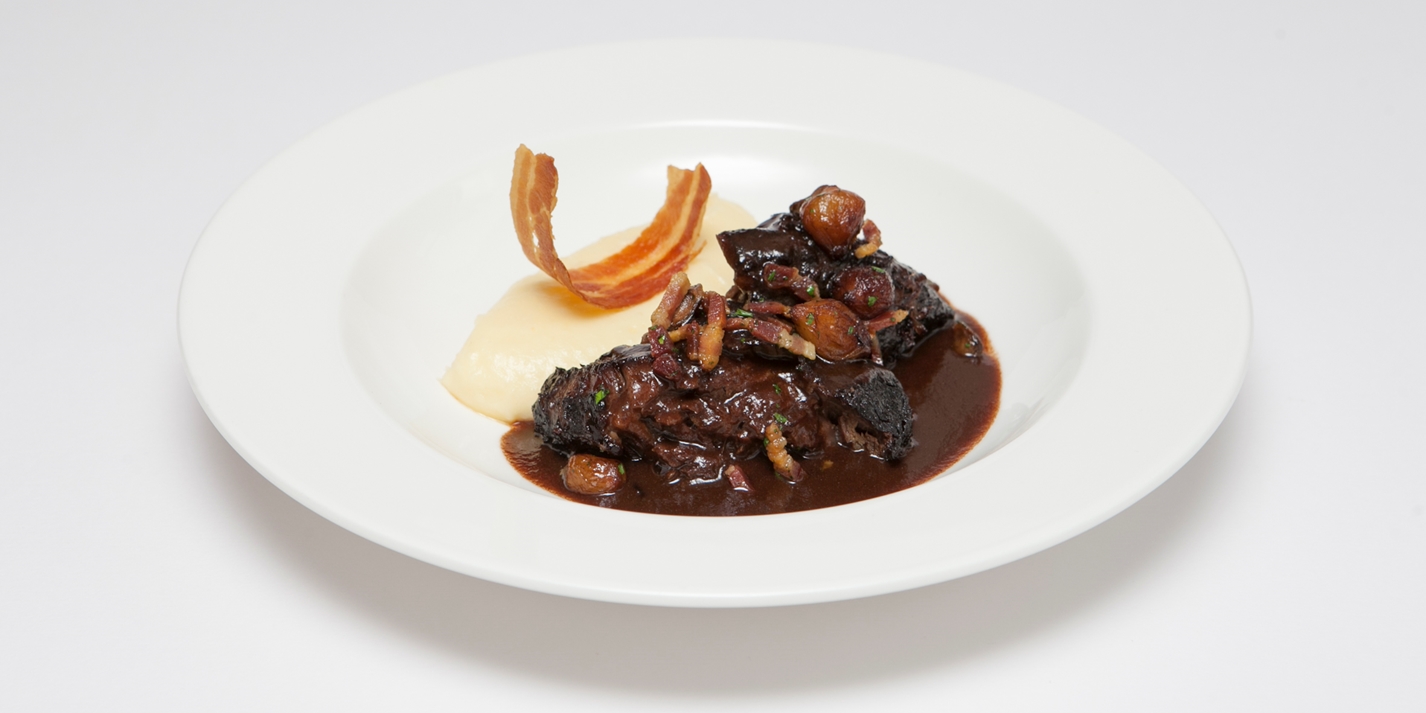
- The Best beef cheek recipe
- Braised Beef Cheeks with Red Wine and Root Vegetables
- 🥘Ingredients
- 👨🍳Directions
- 🔧Equipment
- 📊Nutrition Facts (per serving)
- 📝Notes
- Watch Video Of How Braised Beef Cheeks with Red Wine and Root Vegetables Works
- ❓ Frequently Asked Questions About Braised Beef Cheeks with Red Wine and Root Vegetables
The Best beef cheek recipe
What I love most about this recipe is how versatile it is. It’s rich and hearty enough for a Sunday dinner with the family, but it’s also simple enough to make on a weeknight when I don’t have the energy for anything complicated. Plus, beef cheek is packed with protein and iron, so I don’t have to feel guilty about serving it often. The slow cooking breaks down the connective tissue, making it easier to digest, and the flavor is deep and savory without needing a ton of extra ingredients. It’s one of those dishes that feels special but doesn’t require any fuss, and that’s exactly the kind of recipe I rely on.
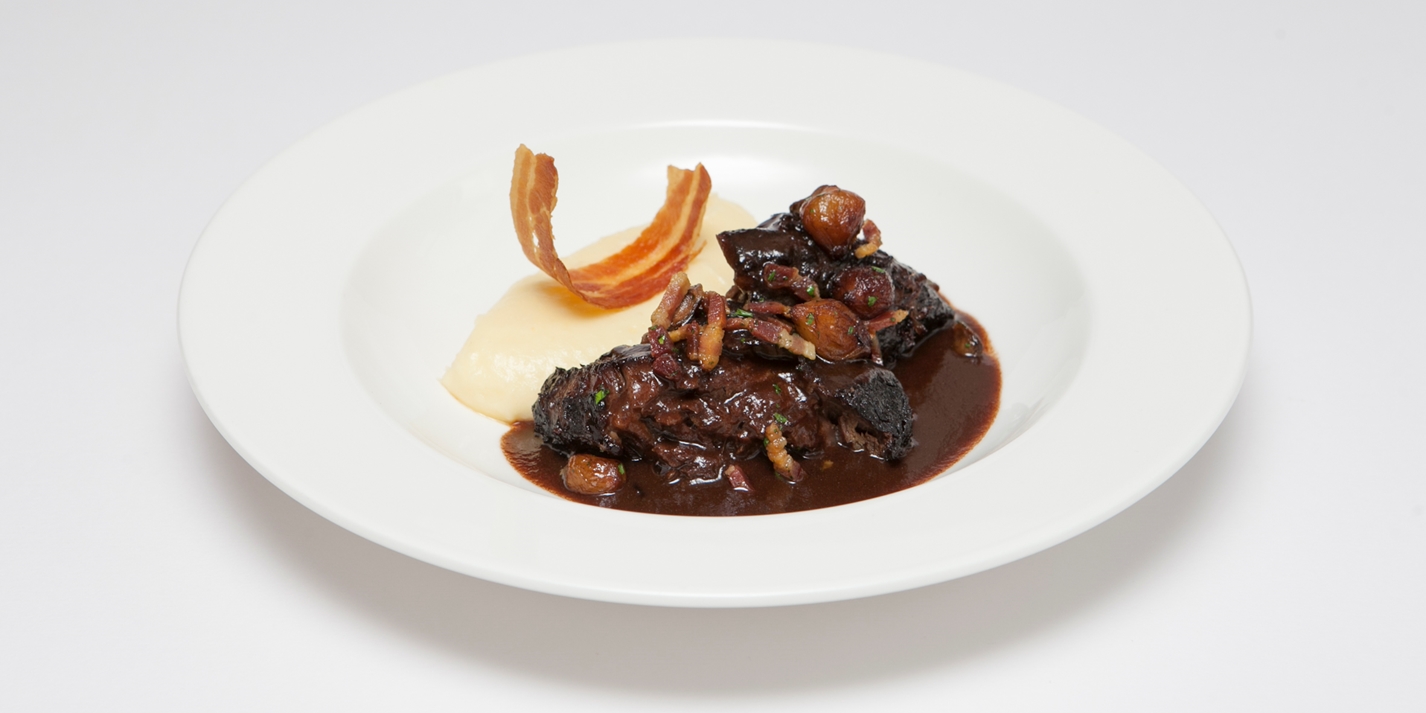
Braised Beef Cheeks with Red Wine and Root Vegetables
Tender, melt-in-your-mouth beef cheeks slow-cooked in a rich red wine sauce with aromatic vegetables. This hearty dish is perfect for a comforting dinner and pairs beautifully with mashed potatoes or crusty bread.
🥘Ingredients
- 2 lbs (900g) beef cheeks, trimmed of excess fat
- 2 tbsp olive oil
- 1 tsp salt
- 1 tsp black pepper
- 2 cups (480ml) dry red wine (such as Cabernet Sauvignon)
- 2 cups (480ml) beef stock
- 1 cup (240ml) tomato passata or crushed tomatoes
- 1 tbsp tomato paste
- 2 tbsp balsamic vinegar
- 1 tbsp Worcestershire sauce
- 2 sprigs fresh thyme
- 2 sprigs fresh rosemary
- 2 bay leaves
- 1 cinnamon stick (optional)
- 2 tbsp unsalted butter
- 1 large onion, diced
- 2 carrots, peeled and chopped into chunks
- 2 celery stalks, chopped into chunks
- 4 garlic cloves, minced
- 8 oz (225g) mushrooms, quartered (optional)
- 2 tbsp all-purpose flour (for thickening)
- Fresh parsley, chopped
- Grated Parmesan cheese
👨🍳Directions
-
1
Preheat your oven to 325°F (165°C). Pat the beef cheeks dry with paper towels and season generously with salt and black pepper. -
2
Heat the olive oil in a large Dutch oven over medium-high heat. Sear the beef cheeks in batches, turning occasionally, until deeply browned on all sides (about 5-6 minutes per batch). Remove the beef and set aside. -
3
In the same pot, reduce the heat to medium and add the butter. Once melted, add the onion, carrots, and celery. Cook, stirring occasionally, until the vegetables soften (about 8-10 minutes). -
4
Add the garlic and mushrooms (if using) and cook for another 2 minutes until fragrant. Stir in the flour and cook for 1 minute to remove the raw taste. -
5
Pour in the red wine, scraping the bottom of the pot to deglaze. Simmer for 5 minutes until the liquid reduces slightly. -
6
Add the beef stock, tomato passata, tomato paste, balsamic vinegar, Worcestershire sauce, thyme, rosemary, bay leaves, and cinnamon stick (if using). Stir to combine. -
7
Return the beef cheeks to the pot, ensuring they are mostly submerged in the liquid. Bring to a gentle simmer, then cover with a lid and transfer to the preheated oven. -
8
Braise for 3 to 3.5 hours, turning the beef cheeks halfway through, until the meat is fork-tender and nearly falling apart. -
9
Carefully remove the beef cheeks from the pot and set aside. Strain the braising liquid through a fine-mesh sieve into a saucepan, discarding the solids. Skim off any excess fat from the surface. -
10
Simmer the strained liquid over medium heat for 10-15 minutes until thickened to a sauce-like consistency. Taste and adjust seasoning with salt and pepper if needed. -
11
Return the beef cheeks to the pot and coat them in the sauce. Garnish with chopped parsley and grated Parmesan before serving.
🔧Equipment
- Large Dutch oven or heavy pot with lid
- Cutting board
- Chef’s knife
- Wooden spoon
- Tongs
- Measuring cups and spoons
- Oven
📊Nutrition Facts (per serving)
📝Notes
Watch Video Of How Braised Beef Cheeks with Red Wine and Root Vegetables Works
❓ Frequently Asked Questions About Braised Beef Cheeks with Red Wine and Root Vegetables
1. What cut of beef is best for beef cheek recipes?
Beef cheeks are the ideal cut for this recipe, as they become incredibly tender and flavorful when slow-cooked. They come from the facial muscles of the cow and have a rich, gelatinous texture that breaks down beautifully over long cooking times. If beef cheeks are unavailable, short ribs or chuck roast can be used as substitutes, though they won’t have the same melt-in-your-mouth quality.
2. How long should beef cheeks be cooked for optimal tenderness?
Beef cheeks require a long, slow cooking process to reach their full potential. Typically, they should be braised or slow-cooked for 3 to 4 hours at a low temperature (around 300°F/150°C). This allows the tough connective tissue to break down into gelatin, resulting in a fork-tender texture. Some recipes may call for up to 6 hours for extra tenderness, especially if using a slow cooker.
3. Can beef cheeks be cooked in a slow cooker or Instant Pot?
Yes! Both methods work well for beef cheeks.
– Slow cooker: Cook on low for 6-8 hours or high for 4-5 hours with liquid (broth, wine, or sauce) until tender.
– Instant Pot: Use the pressure cook function for 45-60 minutes on high pressure, followed by a natural release. This speeds up the process while still delivering tender results.
4. What are the best liquids to braise beef cheeks in?
The braising liquid is key to flavor. Popular options include:
– Red wine (Cabernet Sauvignon or Merlot) for depth.
– Beef or veal stock for a rich, savory base.
– Tomato-based sauces (like marinara or passata) for a tangy twist.
– Beer (stout or dark ale) for a malty, robust flavor.
A combination of these (e.g., wine + stock) works best for layered taste.
5. How do I store and reheat leftover beef cheeks?
– Storage: Let the beef cool, then store in an airtight container in the fridge for up to 4 days or freeze for up to 3 months.
– Reheating:
– Stovetop: Gently warm in the braising liquid over low heat until heated through.
– Oven: Cover with foil and bake at 300°F/150°C for 20-30 minutes.
– Microwave: Use short bursts, adding a splash of liquid to prevent drying out. Avoid overheating to maintain tenderness.