
beef cheeks recipe

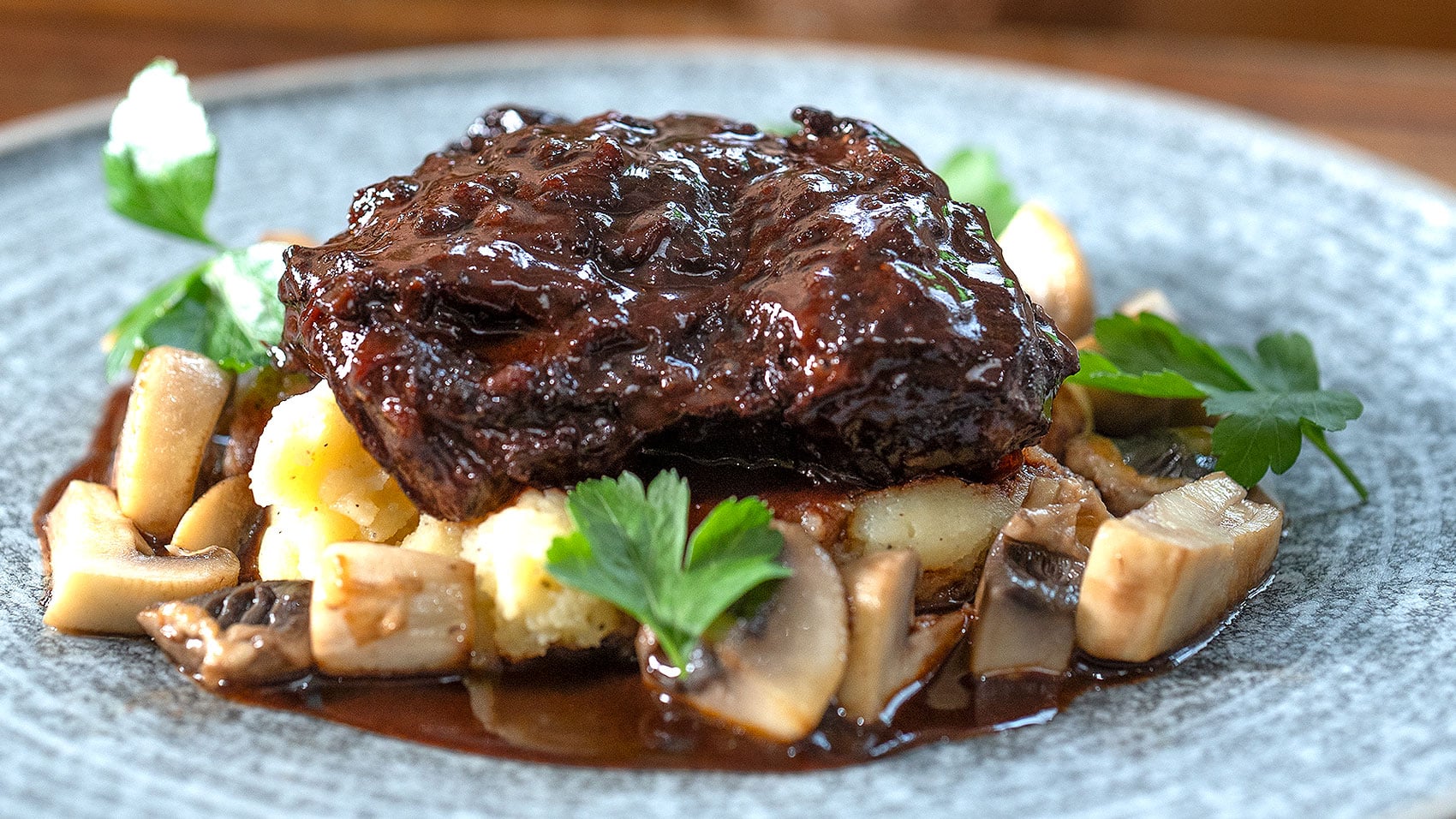
- The Best beef cheeks recipe
- Braised Beef Cheeks with Red Wine and Root Vegetables
- 🥘Ingredients
- 👨🍳Directions
- 🔧Equipment
- 📊Nutrition Facts (per serving)
- 📝Notes
- Watch Video Of How Braised Beef Cheeks with Red Wine and Root Vegetables Works
- ❓ Frequently Asked Questions About Braised Beef Cheeks with Red Wine and Root Vegetables
The Best beef cheeks recipe
What I love most about this recipe is how versatile it is. You can serve it over mashed potatoes for a cozy family meal, shred it into tacos for a fun twist, or even pair it with roasted vegetables for a lighter option. And let’s talk about the health benefits—beef cheeks are packed with protein and iron, and when you cook them low and slow, the fat renders out, leaving you with a dish that’s satisfying but not overly heavy. Plus, it’s one of those meals that tastes even better the next day, so leftovers are never a problem. If you haven’t tried beef cheeks before, this recipe is the perfect place to start.
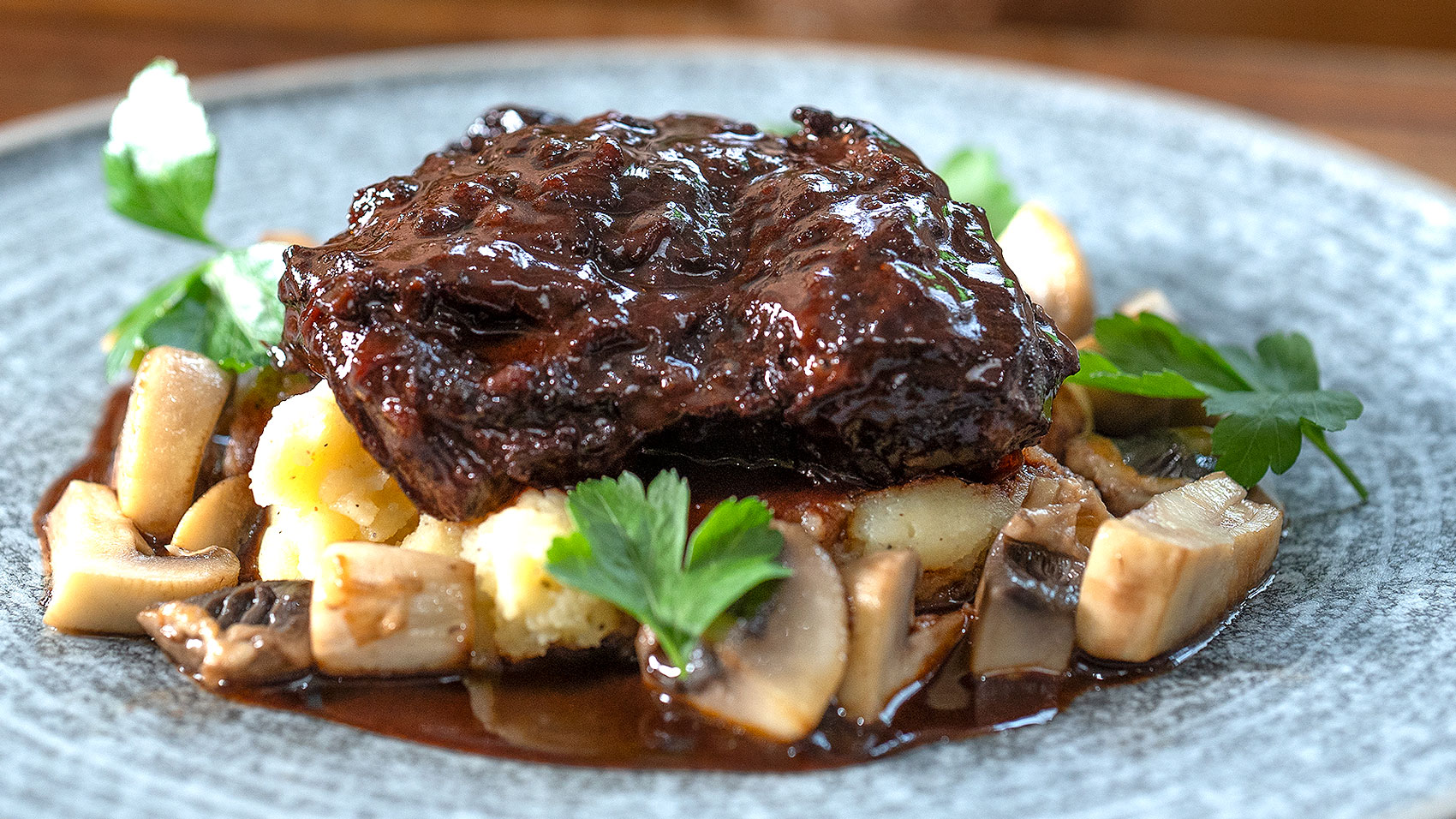
Braised Beef Cheeks with Red Wine and Root Vegetables
Tender, melt-in-your-mouth beef cheeks slow-cooked in a rich red wine sauce with aromatic vegetables. This hearty dish is perfect for a comforting dinner and pairs beautifully with mashed potatoes or crusty bread.
🥘Ingredients
- 2 lbs (900g) beef cheeks, trimmed of excess fat
- 1 tsp salt
- 1 tsp black pepper
- 2 tbsp olive oil
- 2 tbsp all-purpose flour
- 1 large onion, diced
- 2 carrots, diced
- 2 celery stalks, diced
- 4 garlic cloves, minced
- 2 tbsp tomato paste
- 2 cups (500ml) dry red wine
- 2 cups (500ml) beef stock
- 1 cup (250ml) crushed tomatoes
- 2 sprigs fresh thyme
- 2 sprigs fresh rosemary
- 1 bay leaf
- 1 tsp black peppercorns
- 2 large carrots, cut into chunks
- 2 parsnips, cut into chunks
- 1 small celeriac, peeled and cubed
- 2 tbsp butter or olive oil
👨🍳Directions
-
1
Preheat your oven to 325°F (160°C). -
2
Pat the beef cheeks dry with paper towels and season generously with salt and pepper. Dredge each piece lightly in flour, shaking off any excess. -
3
Heat the olive oil in a large Dutch oven over medium-high heat. Sear the beef cheeks in batches until deeply browned on all sides, about 3-4 minutes per side. Remove and set aside. -
4
In the same pot, add the diced onion, carrots, and celery. Cook over medium heat until softened and lightly browned, about 8-10 minutes. Add the garlic and tomato paste, cooking for another 2 minutes. -
5
Deglaze the pot with the red wine, scraping up any browned bits from the bottom. Simmer for 5 minutes until the liquid reduces slightly. -
6
Add the beef stock, crushed tomatoes, thyme, rosemary, bay leaf, and peppercorns. Return the beef cheeks to the pot, ensuring they are mostly submerged in the liquid. Bring to a gentle simmer. -
7
Cover the pot with a lid and transfer to the preheated oven. Braise for 3 to 3.5 hours, or until the beef cheeks are fork-tender. -
8
If using root vegetables, toss them in butter or olive oil, season with salt and pepper, and roast in a separate pan at 400°F (200°C) for 25-30 minutes until tender. -
9
Once the beef cheeks are done, carefully remove them from the pot and strain the braising liquid through a fine-mesh sieve into a saucepan. Skim off any excess fat and simmer the sauce over medium heat until reduced by about a third. -
10
Serve the beef cheeks with the reduced sauce, alongside the roasted root vegetables or mashed potatoes.
🔧Equipment
- Large Dutch oven or heavy pot with lid
- Tongs
- Wooden spoon
- Chef’s knife
- Cutting board
- Measuring cups and spoons
- Oven
📊Nutrition Facts (per serving)
📝Notes
Watch Video Of How Braised Beef Cheeks with Red Wine and Root Vegetables Works
❓ Frequently Asked Questions About Braised Beef Cheeks with Red Wine and Root Vegetables
1. What cut of beef is best for beef cheeks?
Beef cheeks are the ideal cut for this recipe—they’re rich, collagen-packed, and become incredibly tender when slow-cooked. If you can’t find beef cheeks, short ribs or chuck roast are the next best substitutes, though they won’t have the same melt-in-your-mouth texture.
2. How long should beef cheeks be cooked for maximum tenderness?
For the best results, beef cheeks need 3 to 4 hours of slow cooking at a low temperature (around 300°F/150°C). This allows the connective tissue to break down completely. If using a pressure cooker, 60–90 minutes on high pressure works well.
3. Can beef cheeks be made ahead of time?
Yes! In fact, beef cheeks taste even better the next day. The flavors deepen, and the meat becomes more tender. Store them in the cooking liquid in an airtight container in the fridge for up to 3 days, then gently reheat on the stove or in the oven.
4. What’s the best liquid to braise beef cheeks in?
A combination of red wine (like Cabernet or Merlot), beef stock, and aromatics (onion, garlic, carrots, celery) works best. The wine adds acidity to tenderize the meat, while the stock keeps it moist. For extra richness, a splash of balsamic vinegar or a spoonful of tomato paste can enhance the depth.
5. How do I know when beef cheeks are done?
The meat should shred easily with a fork and pull apart without resistance. If it’s still tough, it needs more time. The internal temperature should reach 195–205°F (90–96°C)—this high heat ensures the collagen fully breaks down into gelatin.