
einkorn bread recipe

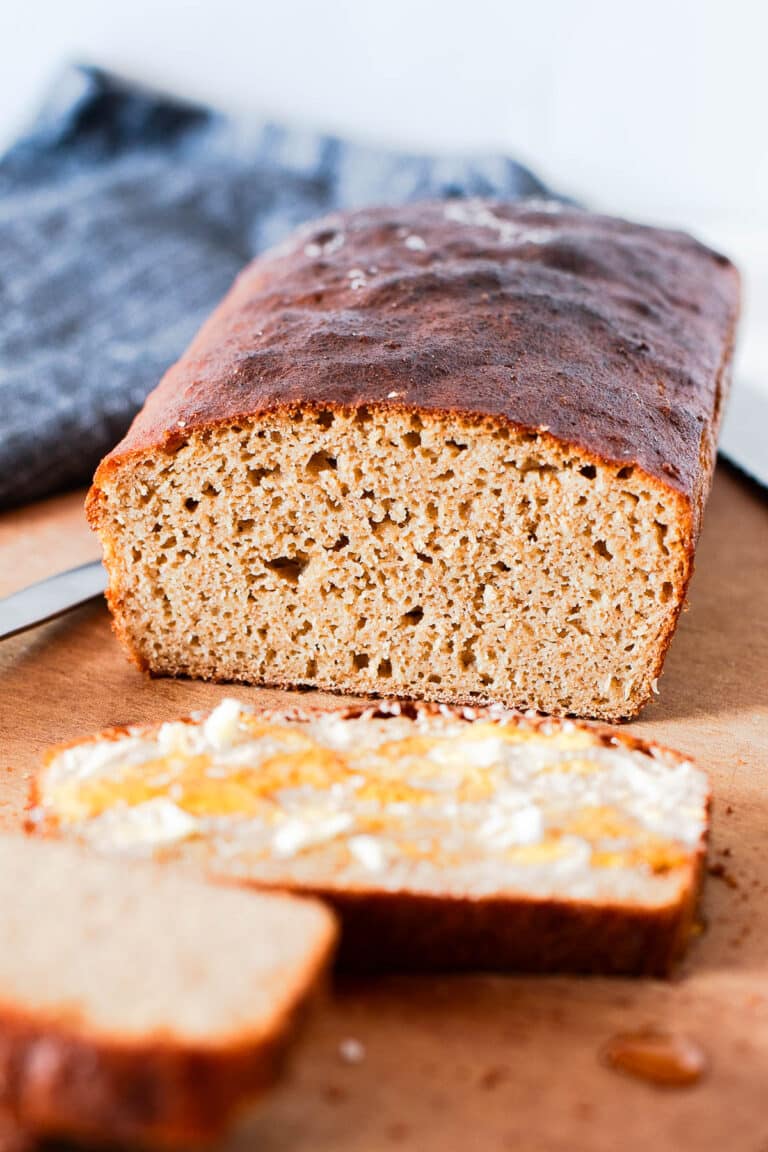
The Best einkorn bread recipe
What I love most about this einkorn bread recipe is how forgiving it is. Even if you’re not an experienced baker, you’ll get great results. The dough is soft but sturdy, and the loaf bakes up with a crisp crust and a tender, slightly chewy interior. Plus, einkorn is packed with nutrients like protein, fiber, and antioxidants, making it a healthier choice than regular white flour. It’s the kind of bread you can feel good about serving your family, whether it’s for a quick breakfast or a cozy dinner. If you haven’t tried baking with einkorn yet, this recipe is the perfect place to start.
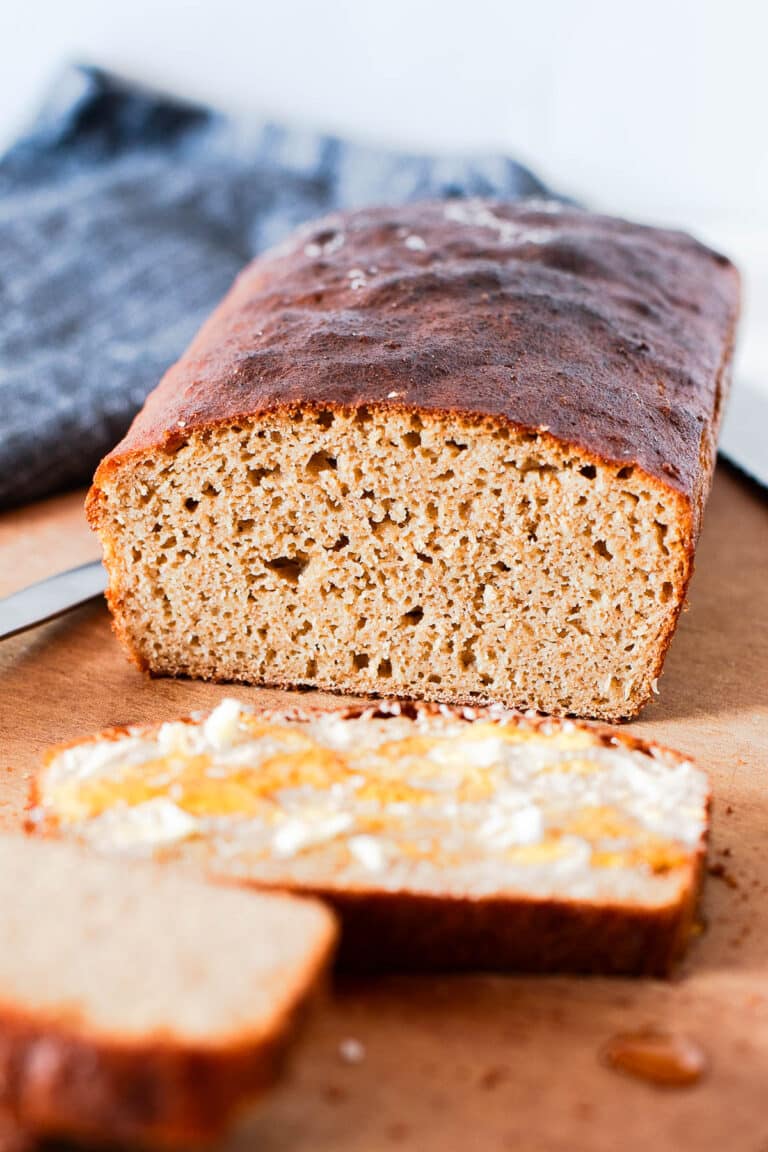
Artisan Einkorn Bread
A hearty, nutty loaf made with ancient einkorn flour, offering a slightly sweet and earthy flavor. This simple recipe yields a rustic bread with a tender crumb and crisp crust, perfect for sandwiches or toast.
🥘Ingredients
- 3 cups einkorn flour (plus extra for dusting)
- 1 ¼ cups warm water (about 110°F)
- 1 tsp active dry yeast
- 1 tsp salt
- 1 tbsp honey or maple syrup (optional, for slight sweetness)
- 1 tbsp olive oil
- 1 tbsp rolled oats or sesame seeds
- 1 tsp flaky sea salt
👨🍳Directions
-
1
Activate the yeast: In a small bowl, combine warm water, honey (if using), and yeast. Let sit for 5–10 minutes until frothy. -
2
Mix the dough: In a large bowl, combine einkorn flour and salt. Pour in the yeast mixture and olive oil. Stir with a dough whisk or wooden spoon until a shaggy dough forms. -
3
Knead the dough: Lightly flour a work surface and knead the dough for 5–7 minutes until smooth and elastic. Einkorn dough is stickier than modern wheat dough, so avoid adding too much extra flour. -
4
First rise: Place the dough in a lightly oiled bowl, cover with a damp towel or plastic wrap, and let rise in a warm place for 1–1.5 hours, or until doubled in size. -
5
Shape the loaf: Gently deflate the dough and shape it into a round boule or oval loaf. Place on a parchment-lined baking sheet or in a Dutch oven. -
6
Second rise: Cover the dough and let rise for another 30–45 minutes while preheating the oven to 450°F (230°C). -
7
Score and bake: Use a sharp knife to score the top of the loaf (this helps it expand). Sprinkle with oats or seeds and flaky salt if desired. Bake for 30–35 minutes until golden brown and the internal temperature reaches 205°F (96°C). -
8
Cool: Transfer the bread to a cooling rack and let it cool for at least 30 minutes before slicing to prevent a gummy texture.
🔧Equipment
- Large mixing bowl
- Kitchen scale (optional, for accuracy)
- Dough whisk or wooden spoon
- Clean kitchen towel or plastic wrap
- Baking sheet or Dutch oven
- Parchment paper
- Sharp knife or lame (for scoring)
- Cooling rack
📊Nutrition Facts (per serving)
📝Notes
Watch Video Of How Artisan Einkorn Bread Works
❓ Frequently Asked Questions About Artisan Einkorn Bread
1. What is einkorn flour, and why is it used in this bread recipe?
Einkorn flour is made from one of the oldest known wheat varieties, which has a simpler genetic structure than modern wheat. It’s prized for its nutty flavor, higher protein content, and easier digestibility. This recipe uses einkorn because it creates a lighter, slightly sweeter loaf with a tender crumb, while also being more nutritious than conventional wheat flour.
2. Can I substitute all-purpose flour for einkorn flour in this recipe?
While you can substitute all-purpose flour, the texture and flavor will differ. Einkorn has less gluten strength, so the bread may be denser and less elastic. If using all-purpose flour, you might need to adjust hydration (reduce water slightly) and kneading time. For best results, stick with einkorn or a mix of einkorn and another ancient grain like spelt.
3. Why does my einkorn bread turn out dense or flat?
Einkorn bread can turn out dense if the dough is overworked, under-proofed, or lacks proper gluten development. Since einkorn has weaker gluten, avoid over-kneading and let the dough rise until it’s nearly doubled (about 1–2 hours, depending on temperature). Also, ensure your yeast is fresh and the dough isn’t too wet—einkorn absorbs liquid differently than modern wheat.
4. How do I store einkorn bread to keep it fresh?
Store einkorn bread at room temperature in a paper bag or bread box for 2–3 days. For longer storage, slice and freeze it in an airtight bag for up to 3 months. Avoid refrigerating, as it dries out the bread faster. To revive stale bread, sprinkle with water and warm in the oven at 350°F (175°C) for 5–10 minutes.
5. Can I make this recipe gluten-free?
No, einkorn contains gluten, so it’s not suitable for a gluten-free diet. If you need a gluten-free alternative, try a blend of gluten-free flours (like rice, tapioca, and sorghum) with xanthan gum or psyllium husk for structure. However, the texture and taste will differ significantly from traditional einkorn bread.