
einkorn flour recipe

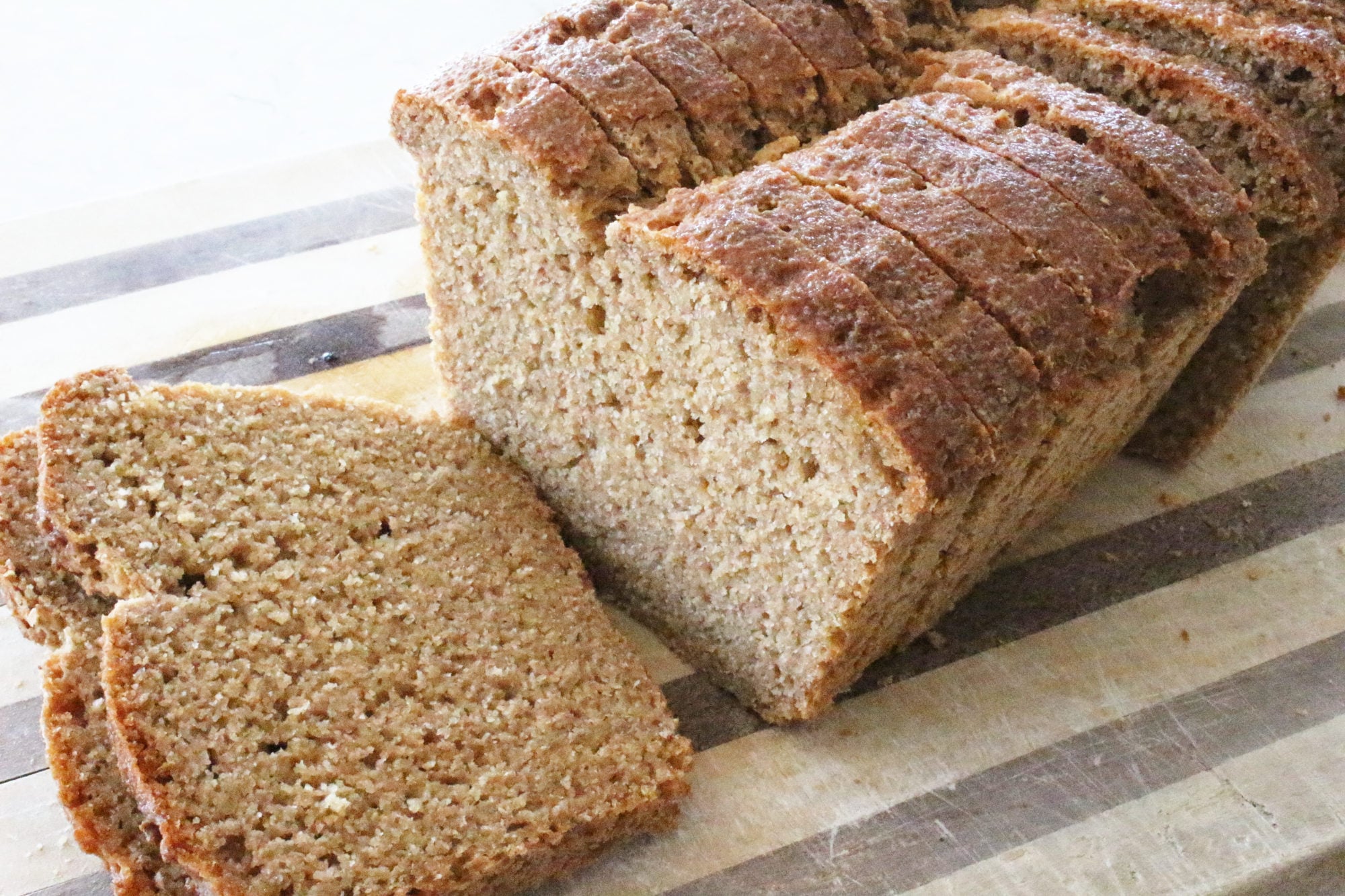
The Best einkorn flour recipe
What I love most about this recipe is how versatile it is. It works just as well for a quick weeknight dinner as it does for a weekend brunch with friends. The texture is lighter than you’d expect, almost like a cross between all-purpose flour and whole wheat, but with a richer depth of flavor. And since einkorn is packed with protein, fiber, and nutrients like lutein (which is great for eye health), I feel good about serving it to my family. It’s one of those rare recipes that checks all the boxes—delicious, nutritious, and easy to make. If you haven’t tried einkorn yet, this is the perfect way to start.

Einkorn Flour Focaccia Bread
A rustic and flavorful focaccia bread made with ancient einkorn flour, known for its nutty taste and nutritional benefits. This recipe yields a soft, airy loaf with a golden crust, perfect for dipping in olive oil or serving alongside meals.
🥘Ingredients
- 3 cups einkorn flour (plus extra for dusting)
- 1 tsp salt
- 1 tsp instant yeast
- 1 ¼ cups warm water (about 110°F)
- 2 tbsp extra-virgin olive oil (plus extra for drizzling)
- 1 tbsp fresh rosemary (or 1 tsp dried)
- 1 tsp flaky sea salt
- 2 cloves garlic, minced (optional)
- Cherry tomatoes, halved (optional)
👨🍳Directions
-
1
In a large mixing bowl, combine the einkorn flour, salt, and instant yeast. Stir to mix evenly. -
2
Add the warm water and olive oil to the dry ingredients. Mix with a wooden spoon or dough whisk until a shaggy dough forms. -
3
Cover the bowl with a clean kitchen towel and let the dough rest for 10 minutes. This allows the einkorn flour to hydrate fully. -
4
After resting, knead the dough gently in the bowl for 2-3 minutes until smooth. Einkorn dough is stickier than regular wheat dough, so avoid adding extra flour unless necessary. -
5
Cover the bowl again and let the dough rise at room temperature for 1 hour, or until doubled in size. -
6
Preheat the oven to 425°F (220°C). Grease a 9×13-inch baking pan or baking sheet with olive oil. -
7
Transfer the risen dough to the prepared pan. Gently stretch and press the dough to fit the pan, creating dimples with your fingertips. -
8
Drizzle the top of the dough generously with olive oil. Sprinkle with fresh rosemary, flaky sea salt, minced garlic, and cherry tomatoes (if using). -
9
Bake for 20-25 minutes, or until the focaccia is golden brown and the edges are crisp. -
10
Remove from the oven and let cool for 5 minutes before slicing. Serve warm or at room temperature.
🔧Equipment
- Large mixing bowl
- Wooden spoon or dough whisk
- Clean kitchen towel
- 9×13-inch baking pan or baking sheet
- Oven
- Measuring cups and spoons
📊Nutrition Facts (per serving)
📝Notes
Watch Video Of How Einkorn Flour Focaccia Bread Works
❓ Frequently Asked Questions About Einkorn Flour Focaccia Bread
1. What is einkorn flour, and how is it different from regular all-purpose flour?
Einkorn flour is made from one of the oldest known wheat varieties, Triticum monococcum. Unlike modern all-purpose flour, einkorn has a lower gluten content (though it still contains gluten), a higher protein-to-carb ratio, and a nuttier, slightly sweet flavor. It’s also richer in nutrients like lutein, beta-carotene, and essential minerals. Because of its weaker gluten structure, baked goods made with einkorn may be denser and require slightly different handling than those made with conventional flour.
—
2. Can I substitute einkorn flour 1:1 for all-purpose flour in recipes?
Not always. Einkorn flour absorbs liquids differently and has a unique gluten structure, so a direct 1:1 substitution may not work in all recipes. For best results:
– Reduce liquid slightly (start with 10–15% less than the recipe calls for).
– Add an extra egg or binder (like xanthan gum) for structure, especially in bread or cakes.
– Mix with another flour (like all-purpose or spelt) if the texture seems too dense.
For cookies or pancakes, a 1:1 swap often works, but for yeasted bread, follow a tested einkorn-specific recipe.
—
3. Why does my einkorn dough seem sticky or hard to handle?
Einkorn dough is naturally stickier and softer than dough made with modern wheat flour because its gluten doesn’t develop as strongly. To improve workability:
– Chill the dough for 30 minutes before shaping to firm it up.
– Use wet hands or a dough scraper to handle it instead of adding extra flour.
– Avoid over-kneading—einkorn gluten breaks down easily, so mix just until combined (especially for bread).
– Add a touch of vital wheat gluten (1 tsp per cup of einkorn flour) if the dough is too slack for your recipe.
—
4. How do I store einkorn flour, and how long does it last?
Einkorn flour has a shorter shelf life than refined flours because it retains more of its natural oils. To maximize freshness:
– Store in an airtight container in a cool, dark place (like a pantry) for up to 3 months.
– Refrigerate or freeze for longer storage (up to 6–12 months). Let it come to room temperature before using.
– Check for rancidity—if it smells sour or off, discard it. Einkorn’s higher fat content makes it prone to spoilage if not stored properly.
—
5. Can I make sourdough bread with einkorn flour?
Yes! Einkorn works well in sourdough, but its weaker gluten requires adjustments:
– Use a stiff starter (higher hydration may make the dough too slack).
– Shorten bulk fermentation—einkorn ferments faster than modern wheat, so watch for overproofing.
– Add a small amount of all-purpose flour (20–30%) to improve structure if needed.
– Bake at a slightly lower temperature (350–375°F/175–190°C) to prevent over-browning, as einkorn caramelizes quickly.
The resulting bread will be denser with a slightly chewy crumb and a rich, nutty flavor.