
fresh mayonnaise recipe

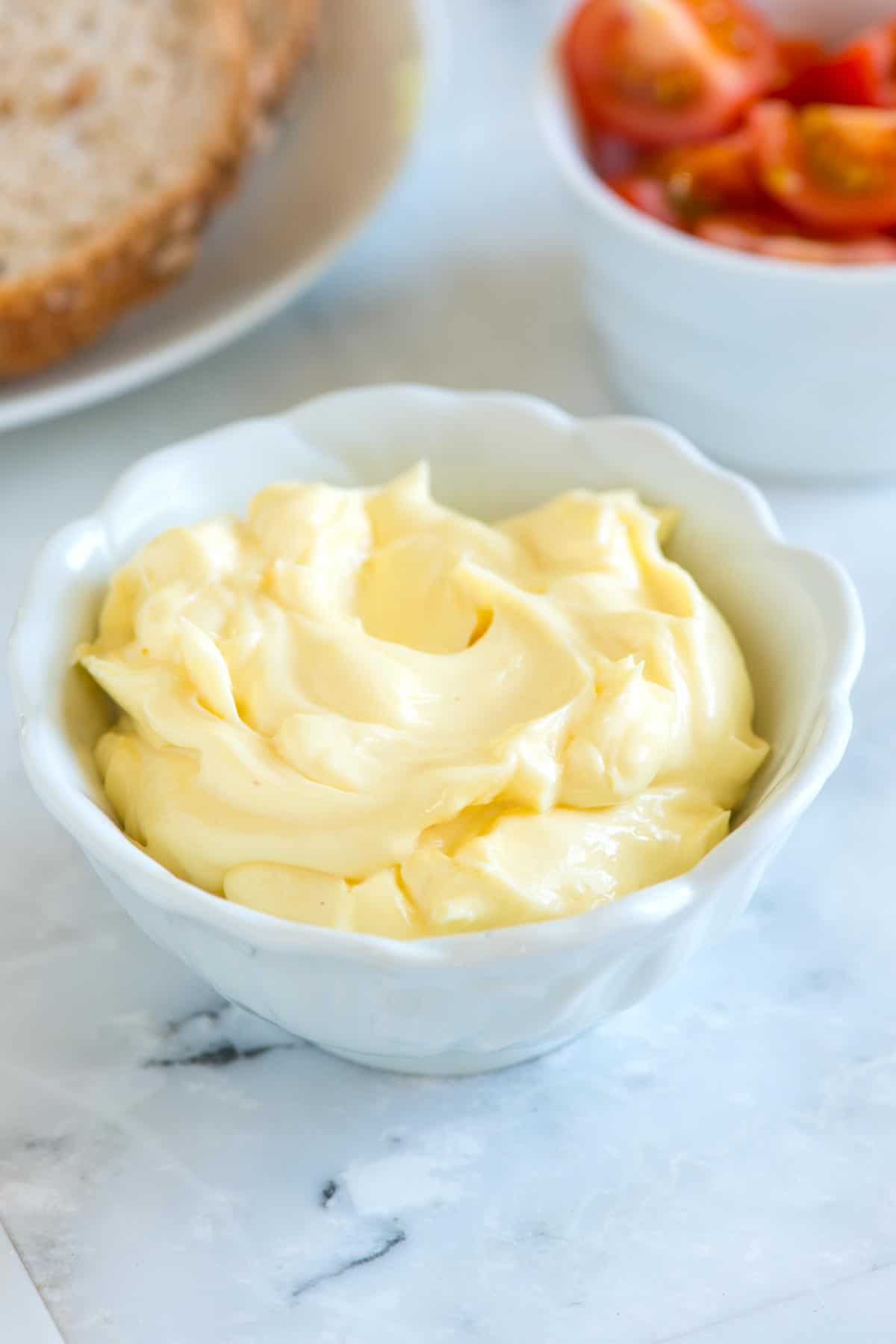
The Best fresh mayonnaise recipe
What I love most about homemade mayo is how much control you have over the ingredients. No weird preservatives or mystery oils—just real, wholesome stuff like fresh eggs, good olive oil, and a squeeze of lemon. It’s lighter than the jarred kind, and you can tweak it to your taste, whether you like it tangier or a little sweeter. Plus, it’s packed with healthy fats from the oil and protein from the eggs, making it a great addition to meals without any guilt. This recipe is perfect for everyday use, but it also shines when you’re hosting—nothing impresses guests like homemade mayo on a charcuterie board or in a gourmet sandwich. Once you try it, you’ll never go back.
Classic Homemade Mayonnaise
A rich and creamy homemade mayonnaise that’s far superior to store-bought versions. This easy recipe uses simple ingredients and comes together in minutes with a whisk or blender.
🥘Ingredients
- 1 large egg yolk (room temperature)
- 1 whole egg (room temperature)
- 1 tbsp Dijon mustard
- 1 tbsp lemon juice or white vinegar
- 1 cup neutral oil (like avocado, grapeseed, or light olive oil)
- 1/2 tsp salt
- 1/4 tsp white pepper (optional)
👨🍳Directions
-
1
In a medium bowl, whisk together the egg yolk, whole egg, Dijon mustard, lemon juice, salt, and white pepper until well combined. -
2
Slowly drizzle in the oil, starting with just a few drops at a time while whisking constantly. This helps emulsify the mixture. -
3
Once the mixture begins to thicken, you can pour the oil in a thin, steady stream while continuing to whisk vigorously. -
4
If using an immersion blender, combine all ingredients in a tall jar and blend while slowly moving the blender up and down until thick and creamy. -
5
Taste and adjust seasoning with more salt, lemon juice, or mustard if needed. Transfer to an airtight container and refrigerate for up to 1 week.
🔧Equipment
- Medium mixing bowl
- Whisk or immersion blender
- Measuring spoons
- Small jar or airtight container (for storage)
📊Nutrition Facts (per serving)
📝Notes
Watch Video Of How Classic Homemade Mayonnaise Works
❓ Frequently Asked Questions About Mayonnaise
1. Can I make fresh mayonnaise without a whisk or mixer?
Yes! While a whisk or mixer makes emulsifying easier, you can make mayonnaise by hand using a fork or even a jar with a tight lid. Simply combine the ingredients in the jar, seal it, and shake vigorously until the mixture thickens. This method requires more effort and patience but works in a pinch.
2. Why did my homemade mayonnaise separate or curdle?
Mayonnaise can separate if the oil is added too quickly, the mixture isn’t whisked enough, or the ingredients are too cold. To fix it, start with a fresh egg yolk in a clean bowl and slowly whisk in the separated mayonnaise as if it were oil. If the issue persists, ensure all ingredients are at room temperature before starting.
3. How long does fresh mayonnaise last in the fridge?
Homemade mayonnaise typically lasts 3–5 days in the refrigerator when stored in an airtight container. Since it contains raw eggs, it’s best to consume it quickly. For longer shelf life, use pasteurized eggs or add a teaspoon of vinegar or lemon juice to help preserve it slightly longer.
4. Can I use olive oil for mayonnaise, and will it taste different?
Yes, you can use olive oil, but the flavor will be stronger and more pronounced, especially with extra-virgin olive oil. For a milder taste, use a light or refined olive oil, or mix it with a neutral oil like avocado or sunflower oil. The texture may also be slightly thicker or grainier than mayonnaise made with vegetable oil.
5. What can I do if my mayonnaise is too thick or too thin?
If your mayonnaise is too thick, thin it by whisking in 1–2 teaspoons of warm water, lemon juice, or vinegar until it reaches your desired consistency. If it’s too thin, place another egg yolk in a clean bowl and slowly whisk in the thin mayonnaise until it thickens. Adding oil too quickly is often the cause of thin mayonnaise.