
frying saucer recipe

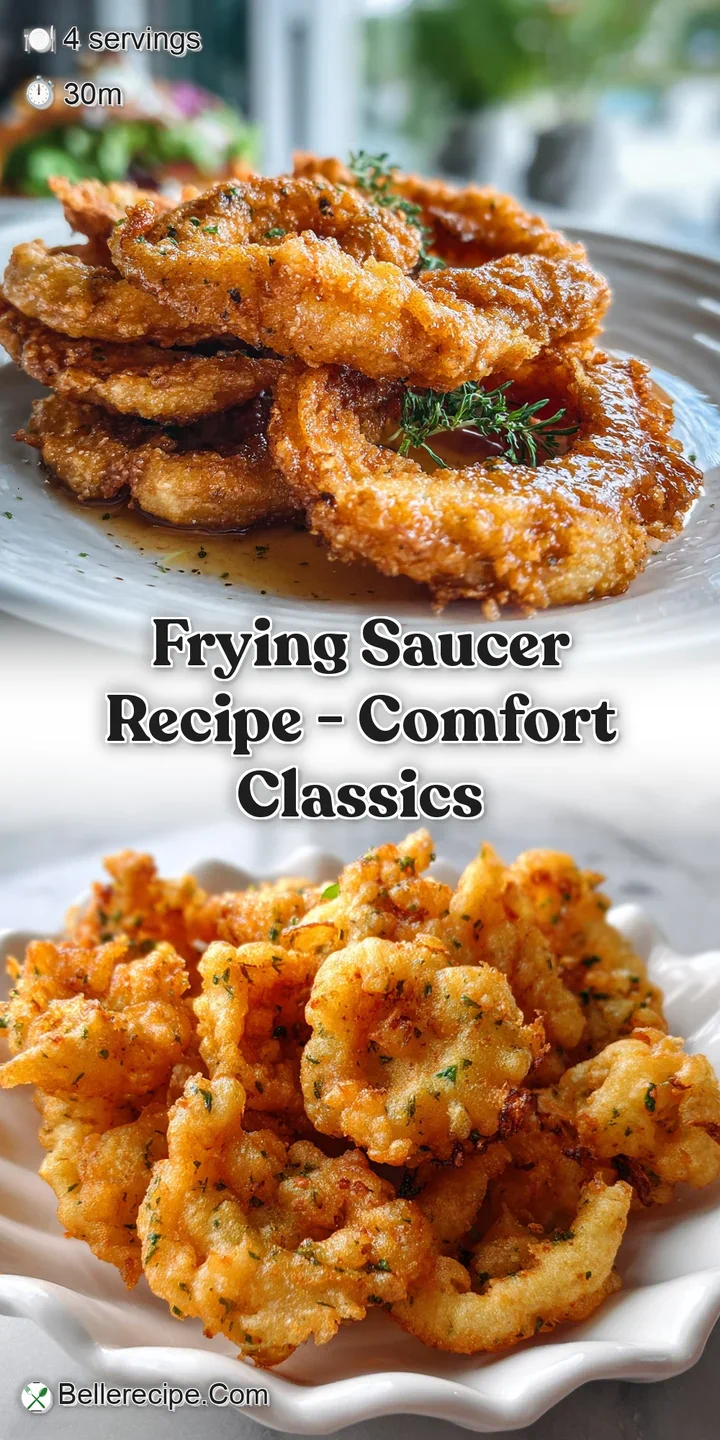
The Best frying saucer recipe
What I really appreciate about this recipe is how versatile it is. You can use chicken, pork, or even tofu if you’re looking for a vegetarian option. The sauce is light but rich, with just the right balance of soy, garlic, and a touch of sweetness. Plus, it’s a great way to get some protein and veggies into one meal without it feeling like a chore. I’ve made it for weeknight dinners, potlucks, and even lazy weekends when I don’t want to spend hours in the kitchen. It’s one of those recipes that just works, no matter the occasion.
Another reason I keep coming back to this dish is that it’s actually pretty healthy. The frying method uses minimal oil, and the sauce isn’t loaded with sugar or heavy cream. You can control the sodium by adjusting the soy sauce, and adding extra veggies like bell peppers or snap peas makes it even more nutritious. My family doesn’t even realize they’re eating something good for them—they’re too busy asking for seconds. If you’re looking for a recipe that’s fast, flavorful, and family-friendly, this one’s a winner.
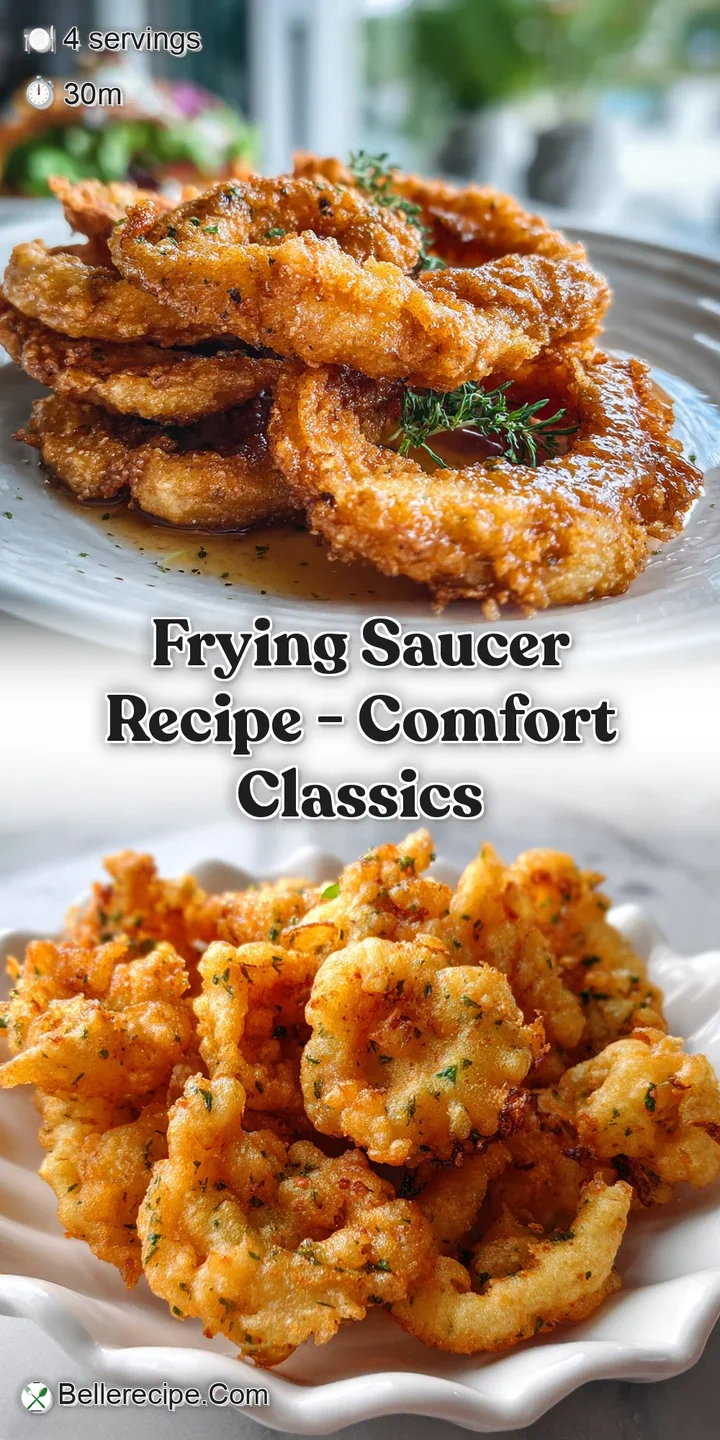
Crispy Fried Saucer Pies
A delightful handheld snack featuring flaky, fried dough filled with savory tomato sauce and melted cheese. Perfect for parties or a quick bite with a crispy, golden exterior and a warm, gooey center.
🥘Ingredients
- 2 ½ cups all-purpose flour
- 1 tsp salt
- 1 tbsp granulated sugar
- ½ cup cold unsalted butter, cubed
- ½ cup cold water
- 1 large egg yolk
- 1 cup tomato sauce
- 1 tsp dried oregano
- 1 tsp garlic powder
- ½ tsp red pepper flakes (optional)
- 1 cup shredded mozzarella cheese
- ¼ cup grated Parmesan cheese
- 3 cups vegetable oil (for frying)
- 1 egg (for egg wash)
- 1 tbsp water (for egg wash)
👨🍳Directions
-
1
In a large mixing bowl, combine flour, salt, and sugar. Add cold cubed butter and cut it into the flour using a pastry cutter or fork until the mixture resembles coarse crumbs. -
2
In a small bowl, whisk together the egg yolk and cold water. Gradually add the liquid to the flour mixture, mixing just until the dough comes together. Do not overmix. -
3
Turn the dough onto a lightly floured surface and knead gently 2-3 times. Shape into a disk, wrap in plastic, and refrigerate for 15 minutes. -
4
While the dough chills, prepare the filling. In a small saucepan, heat tomato sauce over medium heat. Stir in oregano, garlic powder, and red pepper flakes. Simmer for 5 minutes, then remove from heat and let cool slightly. -
5
On a floured surface, roll out the chilled dough to ⅛-inch thickness. Use a 3-inch round cookie cutter to cut out circles. Gather scraps, re-roll, and cut additional circles until all dough is used. -
6
Place 1 tsp of tomato sauce and a pinch of mozzarella and Parmesan cheese in the center of each dough circle. Fold the dough over to form a half-moon shape and press the edges firmly to seal. Crimp the edges with a fork. -
7
In a small bowl, whisk the egg with 1 tbsp water for the egg wash. Brush the sealed edges of each saucer lightly with the egg wash to help them stick. -
8
Heat vegetable oil in a deep fryer or heavy-bottomed pot to 350°F (175°C). Fry the saucers in batches for 2-3 minutes per side, or until golden brown. Avoid overcrowding the pot. -
9
Use a slotted spoon to transfer the fried saucers to a paper towel-lined plate to drain excess oil. Let cool for 2-3 minutes before serving.
🔧Equipment
- Mixing bowl
- Pastry cutter or fork
- Rolling pin
- 3-inch round cookie cutter
- Deep fryer or heavy-bottomed pot
- Slotted spoon
- Paper towels
- Small bowl (for egg wash)
📊Nutrition Facts (per serving)
📝Notes
Watch Video Of How Crispy Fried Saucer Pies Works
❓ Frequently Asked Questions About Crispy Fried Saucer Pies
1. What is a frying saucer, and how is it different from a regular pan?
A frying saucer is a small, shallow, and often round cooking utensil designed for frying or sautéing small portions of food. Unlike a regular pan, which is larger and deeper, a frying saucer has a lower profile, making it ideal for quickly cooking eggs, pancakes, or small batches of vegetables. Its compact size also helps distribute heat more evenly for delicate foods.
2. Can I use a frying saucer for deep frying?
No, a frying saucer is not suitable for deep frying. It’s designed for shallow frying or sautéing with minimal oil. Deep frying requires a deeper pot or pan to safely submerge food in hot oil without splattering. Using a frying saucer for deep frying could lead to oil spills, uneven cooking, or even accidents.
3. What kind of oil works best for frying in a saucer?
Light, neutral-flavored oils with high smoke points work best for frying in a saucer. Good options include vegetable oil, canola oil, sunflower oil, or peanut oil. These oils can withstand higher temperatures without burning or imparting unwanted flavors to the food. Avoid using butter or olive oil for high-heat frying, as they can burn quickly.
4. How do I prevent food from sticking to the frying saucer?
To prevent sticking, ensure the saucer is properly preheated before adding oil or food. Use enough oil to lightly coat the surface, and avoid overcrowding the pan, which can lower the temperature and cause sticking. Non-stick saucers or well-seasoned cast iron can also help. If using a stainless steel saucer, wait until the oil is shimmering before adding food.
5. Can I use a frying saucer on an induction cooktop?
Yes, but only if the frying saucer is induction-compatible. Induction cooktops require cookware with a magnetic base, such as cast iron or stainless steel. Check the manufacturer’s label or test with a magnet—if it sticks, the saucer will work. Non-magnetic materials like aluminum or copper won’t heat up on an induction cooktop.