
gerd friendly recipe

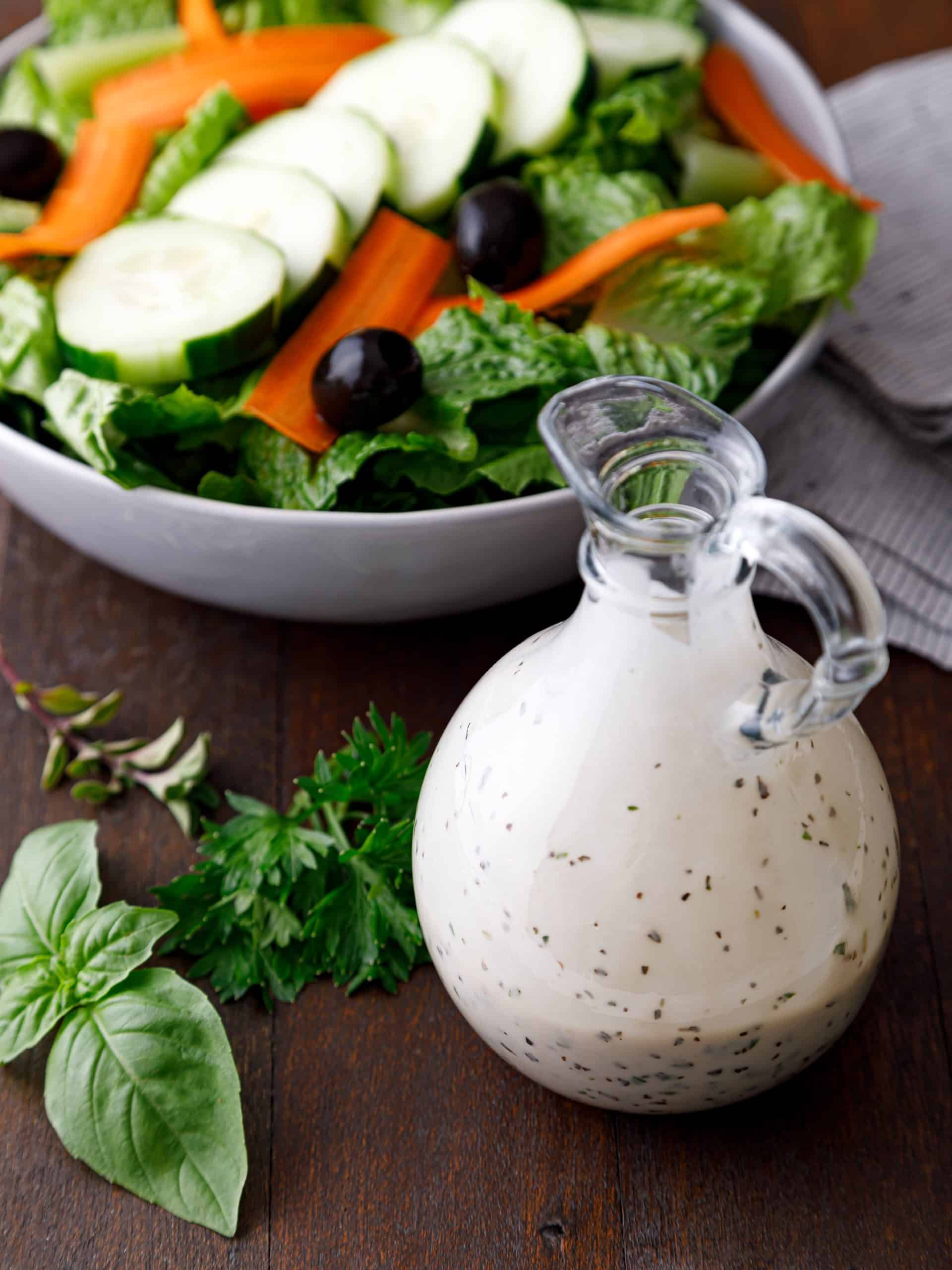
- The Best gerd friendly recipe
- Gentle Ginger-Turkey Meatballs with Mashed Sweet Potatoes
- 🥘Ingredients
- 👨🍳Directions
- 🔧Equipment
- 📊Nutrition Facts (per serving)
- 📝Notes
- Watch Video Of How Gentle Ginger-Turkey Meatballs with Mashed Sweet Potatoes Works
- ❓ Frequently Asked Questions About Gentle Ginger-Turkey Meatballs with Mashed Sweet Potatoes
The Best gerd friendly recipe
What I appreciate most is how versatile it is. We make it for quick weeknight dinners, but it’s also nice enough to serve when friends come over. The ingredients are easy to find, and the prep is minimal, which is a win when you’re juggling work, school pickups, and everything in between. Plus, it’s loaded with fiber and lean protein, so it keeps us full without feeling heavy. My kids don’t even realize it’s “healthy”—they just ask for seconds, and that’s always a good sign.
The best part? It’s one of those recipes that actually helps me feel better, not worse. No bloating, no heartburn, just a satisfying meal that doesn’t leave me regretting my choices. If you’re dealing with GERD or just want a meal that’s kind to your stomach, this one’s a keeper. It’s become a staple in our house, and I hope it works just as well for yours.

Gentle Ginger-Turkey Meatballs with Mashed Sweet Potatoes
A soothing, GERD-friendly meal featuring lean turkey meatballs flavored with ginger and mild herbs, paired with creamy mashed sweet potatoes. This dish is low in acidity and fat while being rich in flavor and nutrients.
🥘Ingredients
- 1 lb (450g) lean ground turkey
- 1/4 cup finely grated carrot (for moisture)
- 1 tbsp fresh ginger, grated (peeled)
- 1/4 cup gluten-free breadcrumbs (or oat flour)
- 1 large egg, lightly beaten
- 1 tbsp fresh parsley, finely chopped
- 1/2 tsp ground cumin (optional, if tolerated)
- 1/4 tsp sea salt
- 1/8 tsp black pepper (optional, omit if sensitive)
- 1 tbsp olive oil (for cooking)
- 2 medium sweet potatoes (about 1.5 lbs), peeled and cubed
- 1 tbsp unsalted butter or olive oil
- 2 tbsp low-fat milk or unsweetened almond milk
- 1/4 tsp ground cinnamon (optional)
- Pinch of sea salt
- 1/2 cup low-sodium chicken or vegetable broth
- 1 tsp fresh dill, chopped
- 1 tsp fresh chives, chopped
- 1/2 tsp cornstarch (to thicken, optional)
👨🍳Directions
-
1
Preheat your oven to 375°F (190°C) and line a baking sheet with parchment paper. -
2
In a mixing bowl, combine ground turkey, grated carrot, ginger, breadcrumbs, egg, parsley, cumin (if using), salt, and pepper. Mix gently until just combined—avoid overworking the meat to keep it tender. -
3
Roll the mixture into 16 evenly sized meatballs (about 1.5 inches in diameter) and place them on the prepared baking sheet. -
4
Bake the meatballs for 18-20 minutes, or until the internal temperature reaches 165°F (74°C). For extra browning, broil for 1-2 minutes at the end (watch closely to avoid burning). -
5
While the meatballs bake, boil the sweet potatoes in a large pot of water for 12-15 minutes, or until fork-tender. Drain well. -
6
Return the sweet potatoes to the pot and mash with butter (or olive oil), milk, cinnamon, and a pinch of salt until smooth and creamy. -
7
For the optional herb sauce: In a small saucepan, heat the broth over medium heat. Stir in dill and chives. If thickening, mix cornstarch with 1 tsp cold water, then stir into the broth and simmer for 1-2 minutes until slightly thickened. -
8
Serve the meatballs over a bed of mashed sweet potatoes, drizzled with the herb sauce if desired. Garnish with extra parsley or chives.
🔧Equipment
- Mixing bowl
- Baking sheet
- Parchment paper
- Large pot
- Potato masher or fork
- Skillet (non-stick or cast iron)
- Measuring cups and spoons
📊Nutrition Facts (per serving)
📝Notes
– For extra GERD safety, omit black pepper and cumin if you’re sensitive to spices.
– Substitute ground chicken for turkey if preferred.
– Store leftovers in an airtight container in the fridge for up to 3 days. Reheat gently in the microwave or oven to avoid drying out the meatballs.
– To make this dairy-free, use olive oil instead of butter and almond milk in the mashed sweet potatoes.
Watch Video Of How Gentle Ginger-Turkey Meatballs with Mashed Sweet Potatoes Works
❓ Frequently Asked Questions About Gentle Ginger-Turkey Meatballs with Mashed Sweet Potatoes
1. What makes a recipe GERD-friendly?
A GERD-friendly recipe avoids common triggers like spicy foods, high-fat ingredients, citrus, tomatoes, garlic, onions, and caffeine. Instead, it focuses on low-acid, non-irritating foods such as lean proteins, whole grains, non-citrus fruits, and vegetables. Portion control and avoiding late-night eating also help reduce acid reflux symptoms.
2. Can I still enjoy flavorful meals with GERD-friendly recipes?
Yes! You can enhance flavor without triggering GERD by using herbs like basil, oregano, and parsley, as well as mild spices such as ginger and turmeric. Low-acid sauces (like white or béchamel), healthy fats (olive oil in moderation), and umami-rich ingredients (mushrooms, miso) can add depth without causing discomfort.
3. Are there GERD-friendly alternatives to common ingredients?
Absolutely! Here are some swaps:
– Tomato sauce → Carrot or butternut squash purée
– Garlic/onions → Asafoetida (hing) or fennel for flavor
– Citrus → Melon, pear, or banana
– High-fat meats → Skinless poultry, fish, or tofu
– Coffee/tea → Herbal teas (ginger, chamomile) or chicory root “coffee”
4. What are some easy GERD-friendly breakfast ideas?
Try these simple options:
– Oatmeal with almond milk, sliced banana, and a drizzle of honey
– Scrambled eggs with spinach and whole-grain toast
– Smoothie with almond butter, oat milk, and papaya
– Low-fat yogurt with melon and chia seeds
Avoid citrus, fried foods, and large portions to start your day comfortably.
5. How can I adjust my favorite recipes to be GERD-friendly?
Start by identifying trigger ingredients and replacing them. For example:
– Italian dishes → Use olive oil instead of butter, skip garlic/onions, and opt for low-acid veggies like zucchini.
– Mexican food → Swap spicy peppers for bell peppers, use corn tortillas, and avoid tomato-based salsas.
– Asian cuisine → Reduce soy sauce (high in sodium), use ginger and lemongrass for flavor, and avoid chili oils.
Always test small portions to see how your body reacts.