
gluten free sourdough discard recipe

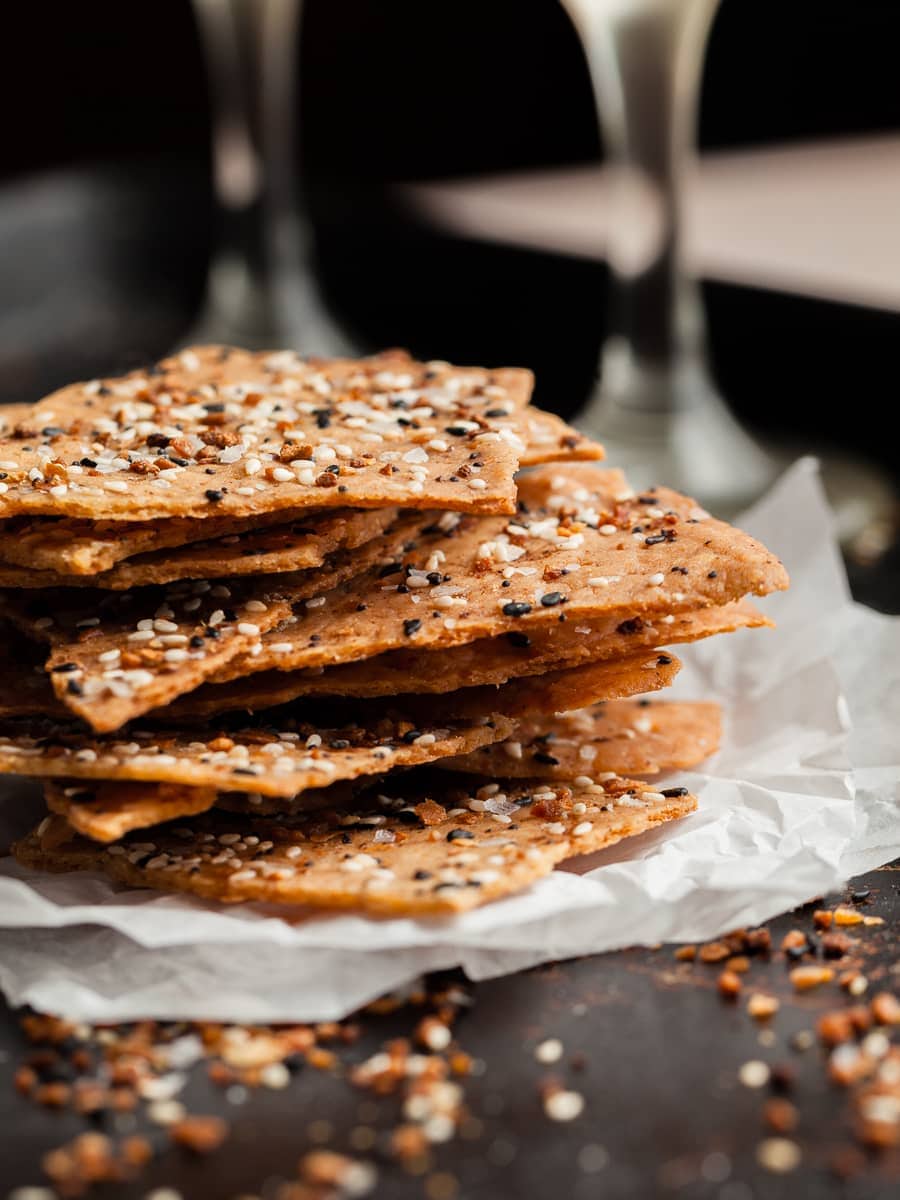
The Best gluten free sourdough discard recipe
What I love most about this recipe is how it makes gluten-free baking feel less like a compromise. The sourdough discard adds depth and a slight tang that balances out the sweetness, and the texture is surprisingly soft and chewy, not dense or crumbly like so many gluten-free baked goods. Plus, it’s packed with nutrients from the whole grains and seeds, and since it’s naturally fermented, it’s easier to digest. It’s a win for my family’s health and their taste buds, and honestly, that’s all I could ask for in a recipe.
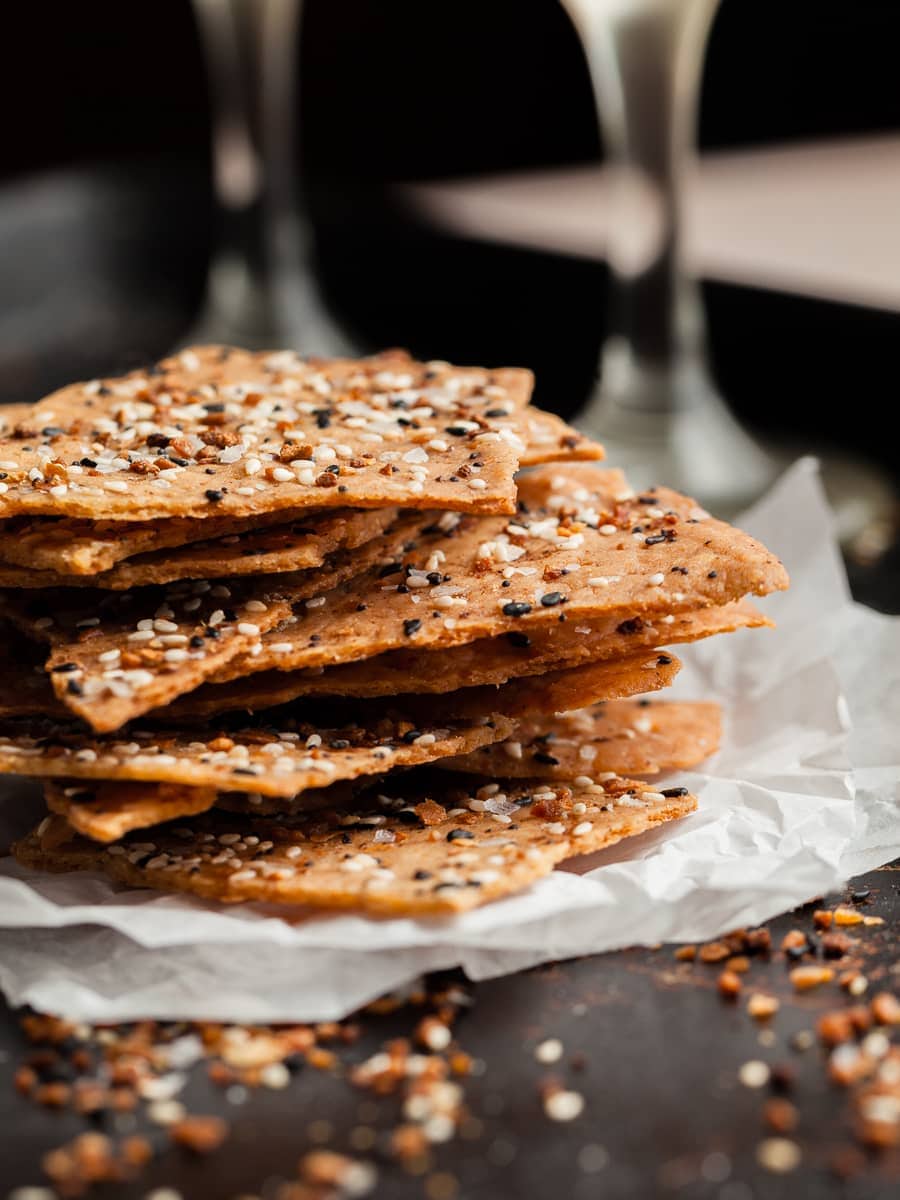
Gluten-Free Sourdough Discard Crackers
Crispy, savory crackers made with gluten-free sourdough discard. Perfect for snacking or pairing with dips, these crackers are easy to make and packed with flavor.
🥘Ingredients
- 1 cup gluten-free sourdough discard (100% hydration)
- 1 cup gluten-free all-purpose flour blend (with xanthan gum)
- 1/4 cup olive oil
- 1/2 tsp salt
- 1/2 tsp garlic powder (optional)
- 1/2 tsp dried rosemary or thyme (optional)
- 2 tbsp water (if needed for consistency)
- 1 tbsp sesame seeds or everything bagel seasoning
- Flaky sea salt
👨🍳Directions
-
1
Preheat your oven to 350°F (175°C) and line a baking sheet with parchment paper. -
2
In a mixing bowl, combine the gluten-free sourdough discard, gluten-free flour, olive oil, salt, and any optional seasonings. Mix until a dough forms. If the dough is too dry, add water 1 tbsp at a time until it holds together. -
3
Place the dough between two sheets of parchment paper and roll it out to about 1/8-inch thickness. -
4
Use a knife or pizza cutter to score the dough into squares or rectangles. Dock the dough with a fork to prevent puffing. -
5
Sprinkle the top with sesame seeds, everything bagel seasoning, or flaky sea salt if desired. -
6
Transfer the parchment paper with the dough onto the baking sheet and bake for 18-20 minutes, or until the edges are golden brown and crisp. -
7
Allow the crackers to cool completely on the baking sheet before breaking them along the scored lines. Store in an airtight container for up to 5 days.
🔧Equipment
- Mixing bowl
- Rolling pin
- Parchment paper
- Baking sheet
- Knife or pizza cutter
- Fork (for docking)
📊Nutrition Facts (per serving)
📝Notes
Watch Video Of How Gluten-Free Sourdough Discard Crackers Works
❓ Frequently Asked Questions About Gluten-Free Sourdough Discard Crackers
1. Can I use gluten-free sourdough discard straight from the fridge, or does it need to come to room temperature?
Yes, you can use gluten-free sourdough discard straight from the fridge, but letting it come to room temperature (about 30–60 minutes) can improve fermentation activity and texture in your recipe. If you’re in a hurry, you can use it cold, but you may need to adjust hydration or proofing time slightly.
2. What’s the best way to store gluten-free sourdough discard for future use?
Store your gluten-free sourdough discard in an airtight container in the refrigerator for up to 1 week. For longer storage, freeze it in small portions (ice cube trays work well) for up to 3 months. Thaw in the fridge overnight before using.
3. My gluten-free sourdough discard smells very sour or hooch has formed—is it still safe to use?
Yes, it’s still safe! A strong sour smell or hooch (a liquid layer) is normal, especially if the discard has been stored for a while. Simply stir the hooch back in or pour it off if it’s excessive. If the discard has mold (fuzzy spots) or an off odor (rotten or putrid), discard it.
4. Can I substitute gluten-free sourdough discard for regular flour in recipes like pancakes or muffins?
Yes, but with adjustments. Gluten-free sourdough discard is more liquid than regular flour, so you’ll need to reduce other wet ingredients in the recipe. Start by replacing up to 25–50% of the flour with discard, and adjust hydration as needed. It adds tangy flavor and can improve texture in baked goods.
5. Why does my gluten-free sourdough discard recipe turn out dense or gummy?
Gluten-free sourdough lacks the structure of gluten, so dense or gummy results are common. To fix this:
– Use a blend of gluten-free flours (like rice, sorghum, and tapioca) for better texture.
– Add a binder like psyllium husk or xanthan gum.
– Ensure proper proofing time (gluten-free dough often needs longer to rise).
– Avoid overmixing, which can break down the structure.