
green recipe

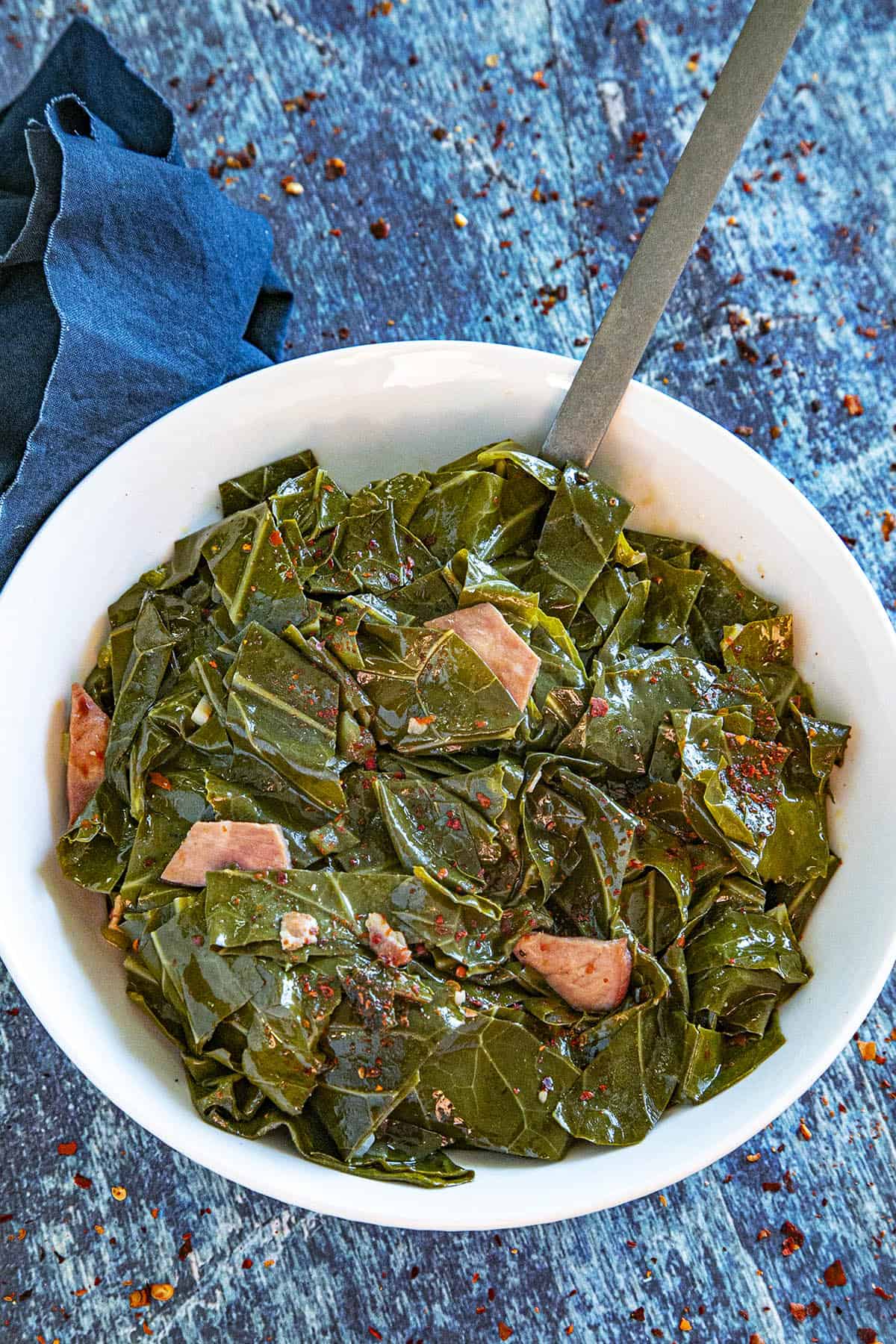
The Best green recipe
What I love most about this recipe is how versatile it is. You can serve it as a side dish, toss it into wraps, or even eat it straight from the bowl like a salad. It’s light but filling, and the flavors are bright without being overpowering. Plus, it’s loaded with greens, which means I feel good about serving it to my family. We all need more vegetables in our diets, and this is an easy way to get them in without anyone complaining.
The health benefits are a big reason I keep coming back to this recipe. It’s full of fiber, vitamins, and antioxidants, and it’s low in calories but still satisfying. I’ve noticed that when we eat meals like this, we all have more energy and feel better overall. It’s not one of those recipes that’s just for special occasions—it’s something I make regularly because it’s good for us and tastes great. If you’re looking for a simple, healthy dish that your whole family will enjoy, this is it.
Vibrant Green Goddess Pasta
A creamy, nutrient-packed pasta dish featuring fresh spinach, basil, and avocado for a rich, velvety sauce. This vibrant green meal is both delicious and visually stunning, perfect for a quick weeknight dinner or a healthy lunch.
🥘Ingredients
- 12 oz whole wheat or gluten-free pasta (spaghetti or fettuccine)
- 1 tbsp olive oil
- 1/2 tsp salt
- 2 cups fresh spinach (packed)
- 1 cup fresh basil leaves
- 1 ripe avocado, pitted and peeled
- 1/2 cup plain Greek yogurt or vegan yogurt
- 1/4 cup nutritional yeast or grated Parmesan cheese
- 3 cloves garlic
- 1/4 cup lemon juice (about 1 lemon)
- 1/4 cup olive oil
- 1/2 tsp salt
- 1/4 tsp black pepper
- 1/4 tsp red pepper flakes (optional)
- 1/4 cup chopped fresh parsley
- 1/4 cup toasted pine nuts or walnuts
- Lemon zest (optional)
- Extra nutritional yeast or Parmesan (optional)
👨🍳Directions
-
1
Bring a large pot of salted water to a boil. Add the pasta and cook according to package instructions until al dente. Reserve 1/2 cup of pasta water before draining the pasta in a colander. -
2
While the pasta cooks, prepare the green goddess sauce. In a blender or food processor, combine spinach, basil, avocado, Greek yogurt, nutritional yeast, garlic, lemon juice, olive oil, salt, black pepper, and red pepper flakes (if using). Blend until smooth, scraping down the sides as needed. If the sauce is too thick, add a splash of water or reserved pasta water to reach your desired consistency. -
3
In a large mixing bowl, toss the drained pasta with the green goddess sauce until evenly coated. If the sauce is too thick, add a little reserved pasta water to loosen it. -
4
Divide the pasta among plates or bowls. Garnish with chopped parsley, toasted pine nuts, lemon zest, and a sprinkle of nutritional yeast or Parmesan if desired. Serve immediately and enjoy!
🔧Equipment
- Large pot for pasta
- Blender or food processor
- Colander
- Large mixing bowl
- Measuring cups and spoons
- Knife and cutting board
📊Nutrition Facts (per serving)
📝Notes
Watch Video Of How Vibrant Green Goddess Pasta Works
❓ Frequently Asked Questions About Vibrant Green Goddess Pasta
1. What makes a recipe “green”?
A “green” recipe typically focuses on sustainability and environmental friendliness. This can include using locally sourced, organic, or seasonal ingredients to reduce carbon footprint, minimizing food waste, and opting for plant-based or low-impact proteins. It may also involve eco-friendly cooking methods, such as energy-efficient appliances or reducing water usage.
2. Are green recipes more expensive than regular recipes?
Not necessarily! While some organic or specialty ingredients may cost more upfront, green recipes often emphasize affordability by using seasonal produce, bulk buying, or reducing waste. For example, repurposing leftovers or choosing plant-based proteins (like lentils or beans) can be budget-friendly. Over time, sustainable habits can also save money by cutting down on food waste.
3. Can I make any recipe green, or are there specific ones?
You can adapt almost any recipe to be more sustainable! Simple swaps like replacing meat with plant-based alternatives, using whole foods instead of processed ingredients, or choosing reusable storage over single-use plastics can make a big difference. Some recipes, like those featuring seasonal vegetables or zero-waste techniques, are naturally “greener” from the start.
4. How do I reduce food waste when cooking green recipes?
Reducing food waste is a key part of green cooking. Try these tips:
– Plan meals to use ingredients fully (e.g., turn vegetable scraps into broth).
– Store food properly to extend freshness (e.g., herbs in water, greens in airtight containers).
– Use leftovers creatively (e.g., stale bread for croutons, overripe fruit for smoothies).
– Compost inedible scraps to return nutrients to the soil.
5. Are green recipes suitable for all dietary preferences?
Absolutely! Green recipes can be tailored to any diet—vegan, vegetarian, gluten-free, or omnivorous. The focus is on sustainability, so you can adjust ingredients to fit your needs while still prioritizing eco-friendly choices. For example, a vegan recipe might use tofu, while a meat-inclusive version could opt for locally sourced, grass-fed beef.