
olive oil mayonnaise recipe

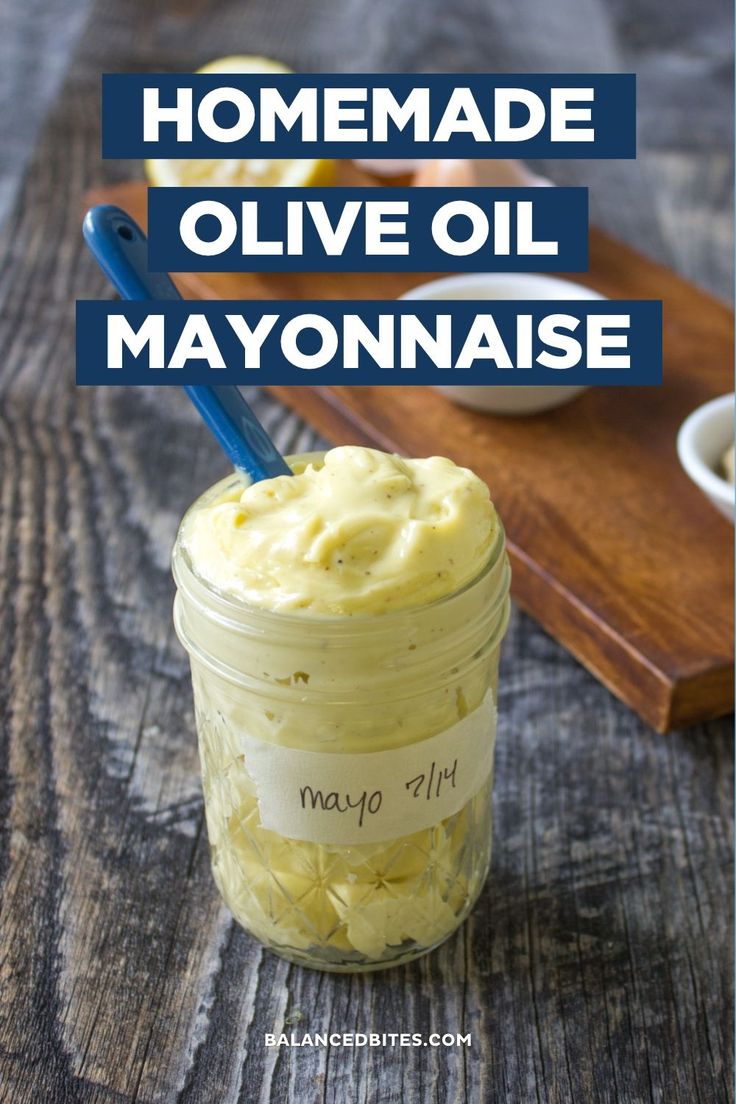
The Best olive oil mayonnaise recipe
What I appreciate most about this recipe is how versatile it is. It’s perfect for everyday meals—think chicken salad, tuna wraps, or a quick turkey sandwich—but it also holds up beautifully for gatherings. I’ve brought it to potlucks, picnics, and even holiday spreads, and it always gets compliments. Plus, using olive oil instead of vegetable oil means it’s packed with heart-healthy fats and antioxidants, so I feel good about serving it to my family. It’s one of those recipes that’s easy to make but feels like a little upgrade, and once you try it, you’ll never go back to the jarred stuff.

Homemade Olive Oil Mayonnaise
A creamy, rich, and flavorful homemade mayonnaise made with extra virgin olive oil. This versatile condiment is perfect for sandwiches, salads, or as a dip, and takes just minutes to prepare.
🥘Ingredients
- 1 large egg yolk (room temperature)
- 1 whole egg (room temperature)
- 1 tbsp Dijon mustard
- 1 tbsp lemon juice or white wine vinegar
- 1/2 tsp salt
- 1/4 tsp white pepper (optional)
- 1 cup extra virgin olive oil (light or mild flavor preferred)
👨🍳Directions
-
1
In a medium mixing bowl, combine the egg yolk, whole egg, Dijon mustard, lemon juice or vinegar, salt, and white pepper. Whisk until well blended and slightly frothy. -
2
While whisking continuously (or using an immersion blender), very slowly drizzle in the olive oil, starting with just a few drops at a time. This step is crucial for emulsifying the mixture. -
3
Once about half of the oil has been incorporated and the mixture begins to thicken, you can gradually increase the speed of adding the remaining oil while continuing to whisk or blend. -
4
Taste and adjust seasoning with more salt, lemon juice, or mustard if needed. The mayonnaise should be thick, creamy, and well-emulsified. -
5
Transfer the mayonnaise to an airtight container and refrigerate for up to 1 week. Stir before using if separation occurs.
🔧Equipment
- Medium mixing bowl
- Whisk or immersion blender
- Measuring cups and spoons
- Small bowl for separating egg yolk
📊Nutrition Facts (per serving)
📝Notes
Watch Video Of How Homemade Olive Oil Mayonnaise Works
❓ Frequently Asked Questions About Olive Oil Mayonnaise
1. Can I use extra virgin olive oil to make mayonnaise?
Yes, you can use extra virgin olive oil, but it has a strong, distinct flavor that may overpower the mayonnaise. For a milder taste, opt for a lighter olive oil or blend it with a neutral oil like avocado or sunflower oil. If you prefer the robust taste of extra virgin olive oil, use it sparingly or pair it with lemon juice to balance the flavors.
2. Why did my olive oil mayonnaise turn out runny?
Mayonnaise can turn out runny due to a few common reasons: not emulsifying the mixture properly, adding the oil too quickly, or using cold ingredients. To fix it, start with a fresh egg yolk in a clean bowl and slowly whisk in the runny mayonnaise as if you were adding oil. Alternatively, you can add a teaspoon of mustard or hot water to help stabilize the emulsion.
3. How long does homemade olive oil mayonnaise last in the fridge?
Homemade olive oil mayonnaise typically lasts for about 5-7 days when stored in an airtight container in the refrigerator. Since it contains raw eggs, it’s important to keep it chilled and use it within this timeframe to avoid spoilage. For longer shelf life, you can pasteurize the eggs before making the mayonnaise or use pasteurized eggs from the store.
4. Can I make olive oil mayonnaise without a blender or food processor?
Absolutely! You can make olive oil mayonnaise by hand using a whisk and a bowl. Start by whisking the egg yolk and mustard (if using) until smooth, then very slowly drizzle in the oil while whisking continuously to create an emulsion. This method requires patience and a steady hand, but it’s a great way to make mayonnaise without any special equipment.
5. Is olive oil mayonnaise healthier than regular mayonnaise?
Olive oil mayonnaise can be a healthier option compared to traditional mayonnaise made with refined vegetable oils, as olive oil is rich in monounsaturated fats and antioxidants. However, it’s still high in calories and fat, so moderation is key. For an even healthier version, you can use fewer egg yolks or substitute some of the oil with Greek yogurt.