
pickled herring recipe

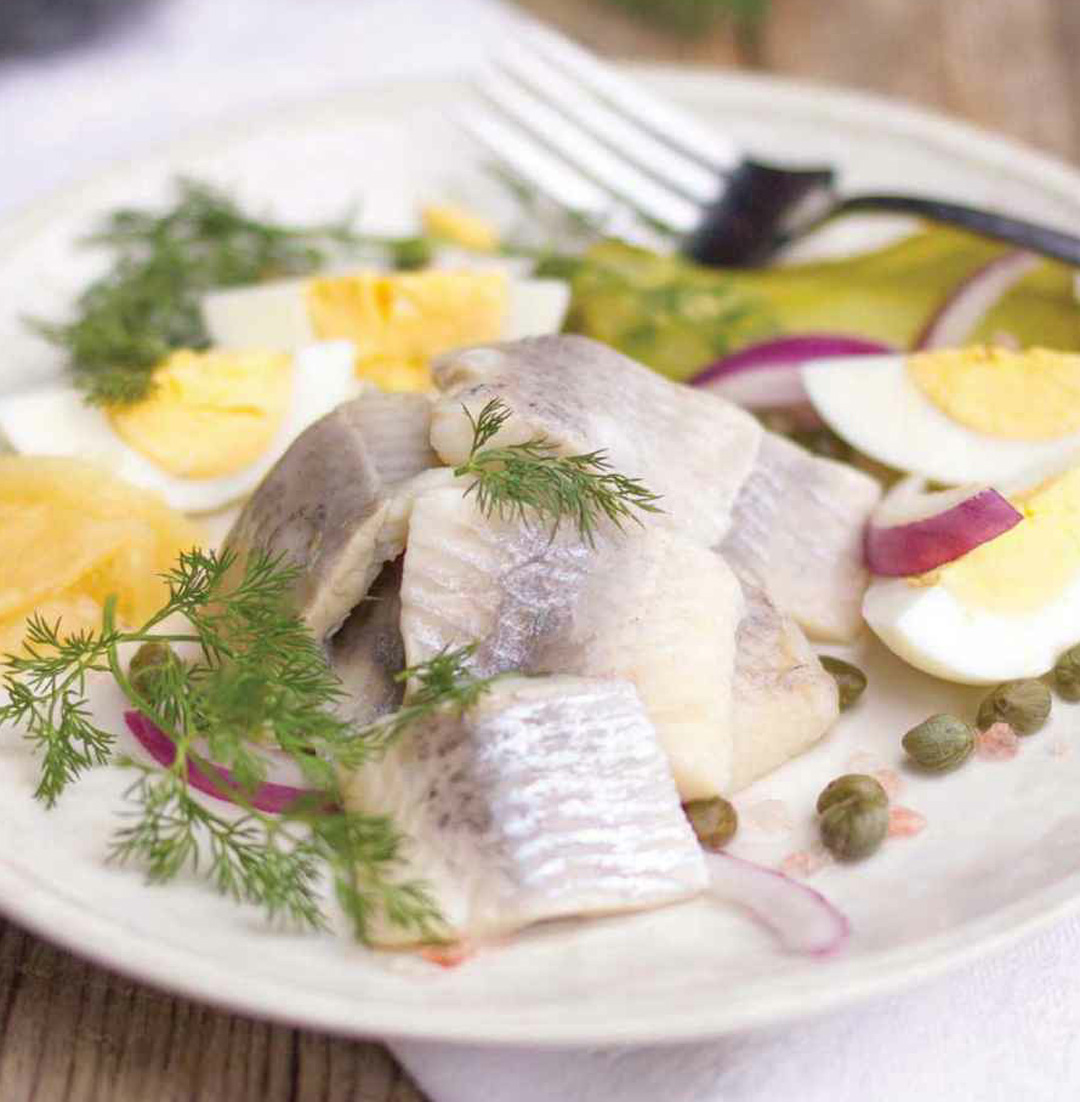
The Best pickled herring recipe
What I appreciate most about pickled herring is how versatile it is. You can eat it straight from the jar with crackers, toss it into a salad, or serve it with boiled potatoes and sour cream for a heartier meal. It keeps for weeks in the fridge, so I always make extra because it’s one of those things that tastes even better after a day or two. Plus, herring is one of the most sustainable fish out there, which makes me feel good about serving it regularly. My husband jokes that it’s the only fish dish he’ll eat cold, but honestly, that’s part of its charm—no reheating, no mess, just good food.
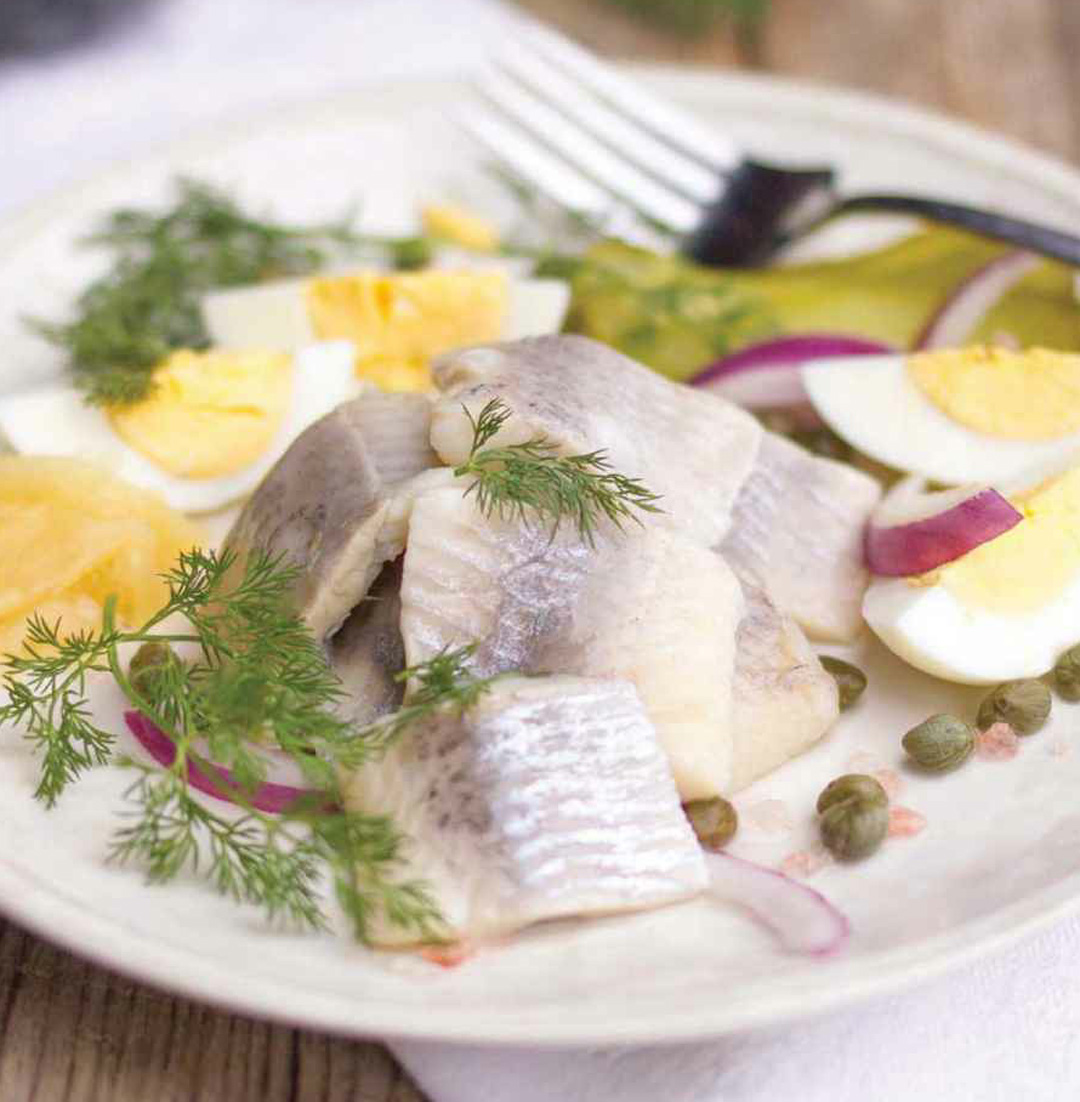
Classic Scandinavian Pickled Herring
A traditional Nordic dish featuring tender herring fillets marinated in a tangy, sweet, and aromatic brine. Perfect as an appetizer or part of a smorgasbord, this pickled herring is easy to prepare and keeps well in the fridge.
🥘Ingredients
- 1 lb (450g) fresh herring fillets, skin-on
- 1/2 cup (120ml) white vinegar
- 1/2 cup (120ml) water
- 1 tbsp salt
- 1 cup (240ml) white vinegar
- 1 cup (240ml) water
- 1/2 cup (100g) granulated sugar
- 1 small red onion, thinly sliced
- 10 whole black peppercorns
- 5 allspice berries
- 3 bay leaves
- 1 tsp mustard seeds
- 1 small carrot, thinly sliced (optional)
- 1 tbsp fresh dill, chopped
👨🍳Directions
-
1
Prepare the herring fillets by rinsing them under cold water and patting dry with paper towels. Cut into 2-inch pieces if desired. -
2
In a medium bowl, combine 1/2 cup white vinegar, 1/2 cup water, and 1 tbsp salt. Stir until the salt dissolves. Add the herring fillets and let soak for 1 hour to remove excess blood. Drain and rinse. -
3
In a small saucepan, combine 1 cup white vinegar, 1 cup water, and sugar. Bring to a gentle boil, stirring until the sugar dissolves. Remove from heat and let cool slightly. -
4
In a large glass jar or airtight container, layer the sliced onion, peppercorns, allspice berries, bay leaves, mustard seeds, carrot (if using), and dill. -
5
Add the herring fillets to the jar, ensuring they are evenly distributed among the spices and vegetables. -
6
Pour the warm vinegar-sugar brine over the herring, making sure all pieces are fully submerged. Seal the jar and refrigerate. -
7
Let the herring marinate in the fridge for at least 24 hours before serving. For best flavor, allow it to pickle for 2-3 days. The herring will keep for up to 2 weeks in the fridge. -
8
Serve chilled with rye bread, boiled potatoes, or as part of a smorgasbord platter.
🔧Equipment
- Medium mixing bowl
- Large glass jar or airtight container
- Sharp knife
- Cutting board
- Small saucepan
📊Nutrition Facts (per serving)
📝Notes
Watch Video Of How Classic Scandinavian Pickled Herring Works
❓ Frequently Asked Questions About Scandinavian Pickled Herring
1. What type of herring is best for pickling?
The best herring for pickling is fresh, high-quality Atlantic herring (also called matjes herring). Look for fillets labeled “salted herring” or “matjes herring” in Scandinavian or European grocery stores. Avoid pre-marinated herring if you want full control over the flavor. If using whole herring, ensure it’s gutted, cleaned, and deboned before pickling.
2. How long does pickled herring last in the fridge?
Properly stored, pickled herring lasts 4 to 6 weeks in the refrigerator. The acidity from the vinegar and the salt in the brine act as preservatives, but always check for off smells or slimy textures before eating. For longer storage, you can freeze pickled herring for up to 3 months, though the texture may soften slightly after thawing.
3. Can I use apple cider vinegar instead of white vinegar?
Yes, you can substitute apple cider vinegar for white vinegar, but it will alter the flavor. Apple cider vinegar adds a slightly fruity, milder tang, while white vinegar provides a sharper, more traditional taste. If using apple cider vinegar, consider reducing the sugar slightly to balance the sweetness. Avoid balsamic or malt vinegar, as their strong flavors can overpower the herring.
4. Why is my pickled herring too salty or too sour?
If your pickled herring is too salty, it’s likely because the fillets weren’t soaked long enough to remove excess salt. Rinse the herring under cold water and soak them in milk or water for 2–4 hours before pickling to reduce saltiness. If it’s too sour, the brine may have too much vinegar. Adjust the ratio by adding a little more water, sugar, or a splash of cream to mellow the acidity.
5. Can I add other ingredients to the pickling brine?
Absolutely! Customizing the brine is part of the fun. Common additions include:
– Spices: Mustard seeds, black peppercorns, allspice berries, or bay leaves.
– Sweetness: Honey, maple syrup, or extra sugar for a sweeter brine.
– Aromatics: Thinly sliced onions, shallots, or garlic cloves.
– Herbs: Fresh dill, tarragon, or thyme for a brighter flavor.
– Citrus: Lemon or orange slices for a citrusy twist.
Just ensure the liquid-to-solid ratio remains balanced to fully submerge the herring.