
pork dog food recipe

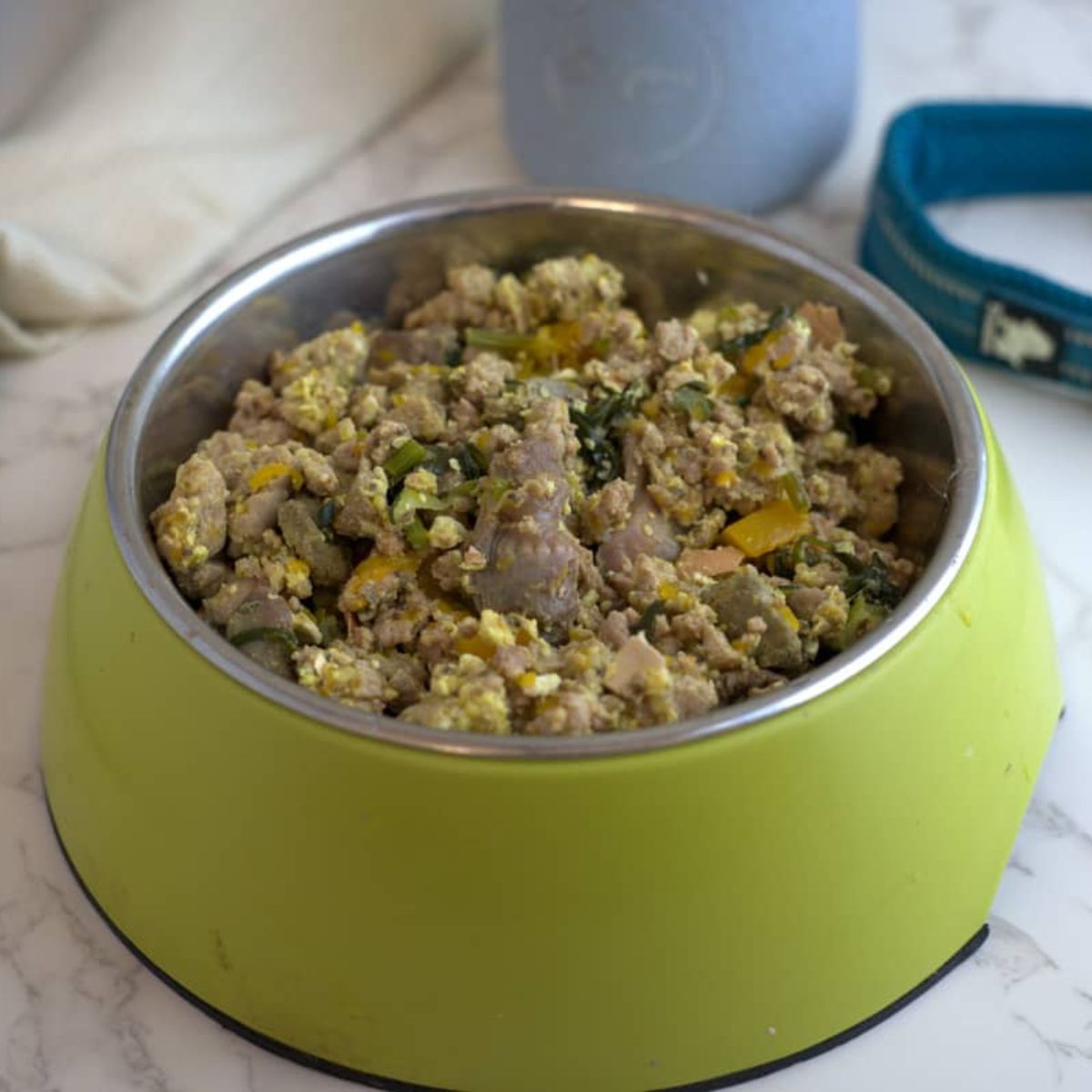
The Best pork dog food recipe
This recipe is also a great way to use up leftover pork or stretch a small amount into a bigger meal. I usually serve it with roasted veggies or a fresh salad, and it works just as well for a quick weeknight dinner as it does for a casual gathering. Plus, the ingredients are wholesome and easy to find, so I don’t have to stress about last-minute grocery runs. If you’re looking for a meal that’s hearty, healthy, and always a hit, this one’s a winner.
Homemade Pork & Vegetable Dog Food
A balanced, vet-approved homemade dog food recipe featuring lean pork, wholesome vegetables, and essential nutrients. Perfect for adult dogs needing a protein-rich diet.
🥘Ingredients
- 1 lb ground pork (lean, 90% lean or higher)
- 1 cup cooked brown rice (or quinoa for grain-free)
- 1/2 cup cooked sweet potato (mashed, no skin)
- 1/2 cup steamed carrots (finely chopped)
- 1/2 cup steamed green beans (chopped)
- 1/4 cup frozen peas (thawed)
- 1 tbsp olive oil (or flaxseed oil for omega-3s)
- 1/2 tsp calcium carbonate (or 1 crushed eggshell, baked and ground)
- 1/4 tsp kelp powder (for iodine)
- 1/2 tsp fish oil (for omega-3s)
- 1 multivitamin for dogs (follow package dosage)
👨🍳Directions
-
1
Cook the brown rice according to package instructions. Set aside to cool. -
2
Steam the sweet potato, carrots, and green beans until soft (about 10-12 minutes). Mash or finely chop and set aside. -
3
In a large skillet, heat olive oil over medium heat. Add the ground pork and cook until fully browned (no pink remains), breaking it into small pieces. Drain excess fat if necessary. -
4
In a large mixing bowl, combine the cooked pork, brown rice, mashed sweet potato, chopped carrots, green beans, peas, and olive oil. Mix thoroughly. -
5
Add the supplements (calcium, kelp powder, fish oil, and multivitamin) to the mixture. Stir well to ensure even distribution. -
6
Let the mixture cool to room temperature before serving. Store leftovers in an airtight container in the refrigerator for up to 5 days or freeze for up to 3 months.
🔧Equipment
- Large skillet or pot
- Mixing bowl
- Cutting board
- Knife
- Steamer basket (for vegetables)
- Measuring cups and spoons
- Wooden spoon
📊Nutrition Facts (per serving)
📝Notes
Watch Video Of How Homemade Pork & Vegetable Dog Food Works
❓ Frequently Asked Questions About Pork & Vegetable Dog Food
1. Is pork safe for dogs to eat?
Yes, pork is generally safe for dogs when cooked properly and served in moderation. It should be lean, unseasoned, and free from bones, fat, and additives like garlic or onion, which are toxic to dogs. Always consult your vet before introducing new proteins, especially if your dog has allergies or health conditions.
2. Can I feed my dog raw pork in homemade dog food?
Feeding raw pork to dogs is risky due to the potential for parasites like Trichinella or bacteria such as Salmonella. If you choose a raw diet, source high-quality, human-grade pork and freeze it for at least 3 weeks to kill parasites. However, cooked pork is a safer option for most pet owners.
3. How much pork should I include in my dog’s homemade meals?
Pork should make up no more than 10–20% of your dog’s total diet, depending on their size, activity level, and nutritional needs. A general guideline is 1–2 ounces of cooked pork per 10 pounds of body weight, mixed with balanced ingredients like vegetables, grains (if tolerated), and supplements like calcium.
4. What are the best vegetables to mix with pork in dog food?
Safe, dog-friendly vegetables to pair with pork include:
– Carrots (cooked or raw, grated)
– Green beans (steamed or boiled)
– Sweet potatoes (cooked, no seasoning)
– Pumpkin (plain, canned or cooked)
– Spinach or kale (finely chopped, in small amounts)
Avoid onions, garlic, mushrooms, and high-oxalate veggies like beets.
5. Can dogs with pancreatitis eat pork-based dog food?
Dogs with pancreatitis should avoid fatty meats, including pork with high fat content. Opt for lean cuts like pork tenderloin or loin, trimmed of all visible fat, and cook it thoroughly without oils or seasonings. Always consult your vet to adjust the diet based on your dog’s specific condition and fat tolerance.