
pork jowl recipe

The Best pork jowl recipe
What I love most about pork jowl is how versatile it is. You can slow-cook it until it’s fall-apart tender, crisp it up in a pan for a quick meal, or even toss it into soups and stews for extra richness. It’s packed with protein and healthy fats, which keeps my family full and satisfied without needing a ton of sides. Plus, it’s one of those cuts that’s often overlooked, so it’s usually budget-friendly too.
This recipe has become a staple in our house because it works for everything—weeknight dinners, lazy Sundays, or even when we’re feeding a crowd. It’s not just tasty; it’s practical, and that’s why I keep coming back to it. If you haven’t tried pork jowl before, it’s worth giving it a shot—it might just become a favorite in your kitchen too.
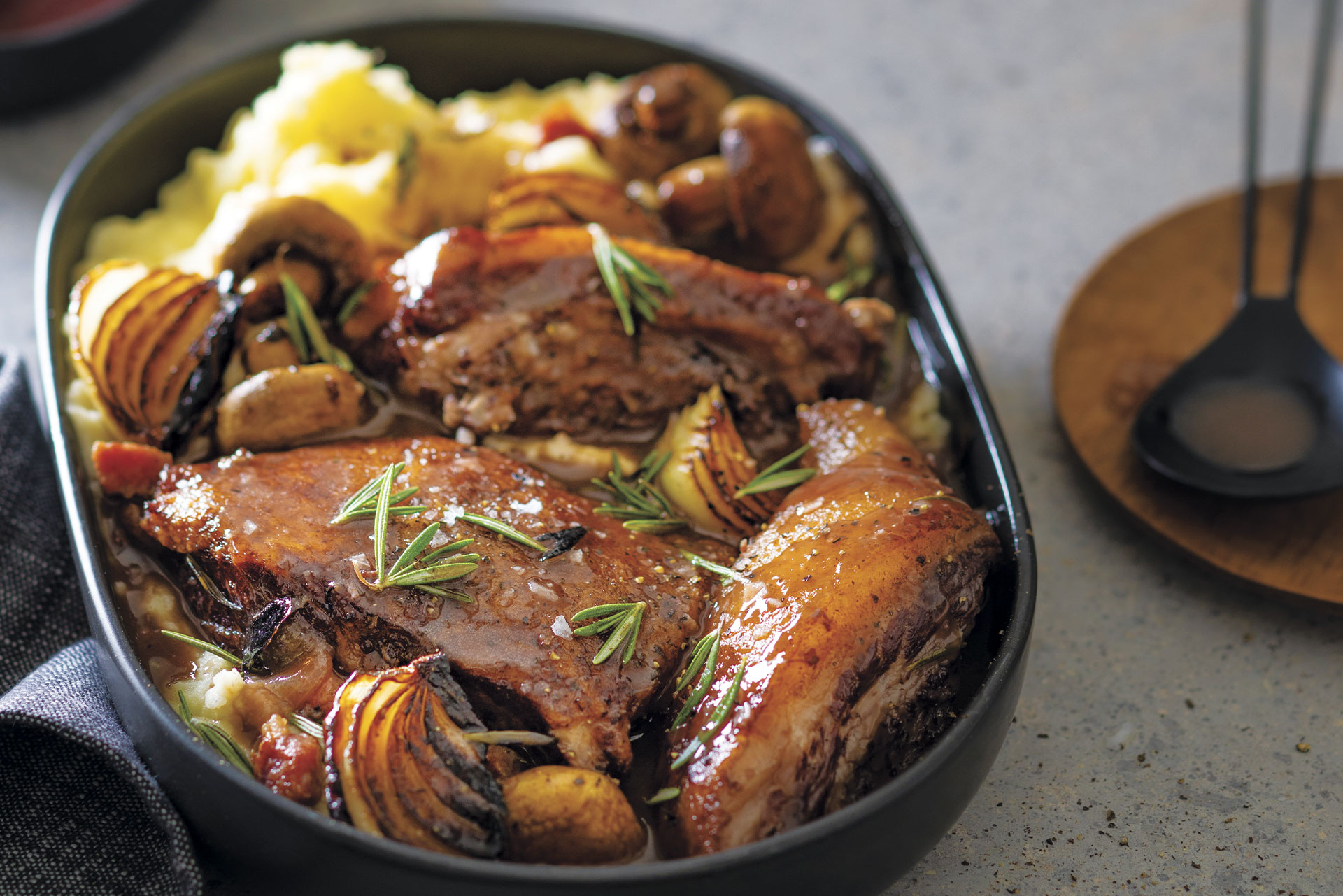
Crispy Braised Pork Jowl with Garlic and Herbs
A rich and flavorful Southern-inspired dish featuring tender pork jowl slow-braised with garlic, herbs, and a touch of sweetness. Perfect for a hearty meal with crusty bread or mashed potatoes.
🥘Ingredients
- 1 lb pork jowl (or pork cheek), skin-on
- 1 tsp kosher salt
- 1 tsp black pepper
- 1 tsp smoked paprika
- 1 tbsp olive oil
- 4 cloves garlic, minced
- 1 small onion, diced
- 1 carrot, diced
- 1 celery stalk, diced
- 1 cup chicken or vegetable broth
- 1/2 cup dry white wine (optional)
- 2 tbsp apple cider vinegar
- 1 tbsp honey or brown sugar
- 1 sprig fresh rosemary
- 2 sprigs fresh thyme
- 1 bay leaf
- 1/2 tsp red pepper flakes (optional)
- Fresh parsley, chopped
- Crusty bread or mashed potatoes (for serving)
👨🍳Directions
-
1
Pat the pork jowl dry with paper towels. Season generously with salt, black pepper, and smoked paprika on all sides. -
2
Heat olive oil in a large Dutch oven over medium-high heat. Sear the pork jowl on all sides until deeply browned, about 3-4 minutes per side. Remove and set aside. -
3
In the same pot, add the onion, carrot, and celery. Cook for 5 minutes until softened. Add the minced garlic and cook for 1 more minute until fragrant. -
4
Deglaze the pot with white wine (if using), scraping up any browned bits. Add the broth, apple cider vinegar, honey, rosemary, thyme, bay leaf, and red pepper flakes. Stir to combine. -
5
Return the pork jowl to the pot, ensuring it is mostly submerged in the liquid. Bring to a simmer, then reduce heat to low. Cover and braise for 2 to 2.5 hours, turning the pork occasionally, until fork-tender. -
6
Remove the pork jowl from the pot and let it rest for 5 minutes. Skim excess fat from the braising liquid if desired, then reduce the sauce over medium heat for 5-10 minutes until slightly thickened. -
7
Slice the pork jowl into thick pieces and arrange on a platter. Spoon the braising liquid and vegetables over the top. Garnish with fresh parsley and serve with crusty bread or mashed potatoes.
🔧Equipment
- Large Dutch oven or heavy pot with lid
- Cutting board
- Chef’s knife
- Tongs
- Measuring spoons
- Wooden spoon
📊Nutrition Facts (per serving)
📝Notes
Watch Video Of How Crispy Braised Pork Jowl with Garlic and Herbs Works
❓ Frequently Asked Questions About Crispy Braised Pork Jowl with Garlic and Herbs
1. What is pork jowl, and how is it different from bacon or pork belly?
Pork jowl is the cheek meat of a pig, known for its rich, fatty flavor and tender texture. Unlike bacon (which is cured and smoked pork belly) or pork belly (the uncured, fatty cut from the underside), pork jowl is specifically from the cheek area. It’s often used in Southern U.S. and Italian cuisine (like guanciale) and has a slightly sweeter, more robust taste than bacon.
2. Can I substitute pork jowl with another cut of meat?
Yes, if pork jowl is unavailable, you can substitute it with pork belly (for a similar fat-to-meat ratio) or thick-cut bacon (though it’s smokier). For a leaner option, pancetta (Italian cured pork belly) works in some recipes, but it lacks the same fat content. Keep in mind that substitutions may alter the dish’s flavor and texture.
3. How do I properly store and preserve pork jowl?
Raw pork jowl should be refrigerated and used within 3–5 days or frozen for up to 3 months. If cured (like guanciale), it can last 2–3 weeks in the fridge or 6 months in the freezer. For long-term storage, vacuum-sealing helps prevent freezer burn. Always wrap it tightly in plastic or butcher paper to avoid contamination.
4. What’s the best way to cook pork jowl for crispy results?
For crispy pork jowl, low and slow is key. Start by simmering or braising it to render the fat, then finish by pan-frying, broiling, or baking at high heat (400°F/200°C) until golden and crispy. Popular methods include:
– Southern-style: Boil with seasonings, then pan-fry.
– Italian guanciale: Cure and dry-age before slicing thin for pasta.
– Grilled: Marinate and grill over indirect heat to avoid flare-ups.
5. Is pork jowl healthy, and how does it compare to other pork cuts?
Pork jowl is high in fat and calories (about 60% fat by weight), making it less healthy than lean cuts like tenderloin. However, it’s rich in monounsaturated fats (similar to olive oil) and provides protein, B vitamins, and iron. Moderation is key—use it as a flavor enhancer rather than a main protein source. For a healthier twist, trim excess fat before cooking or pair it with vegetables.