
sashimi recipe

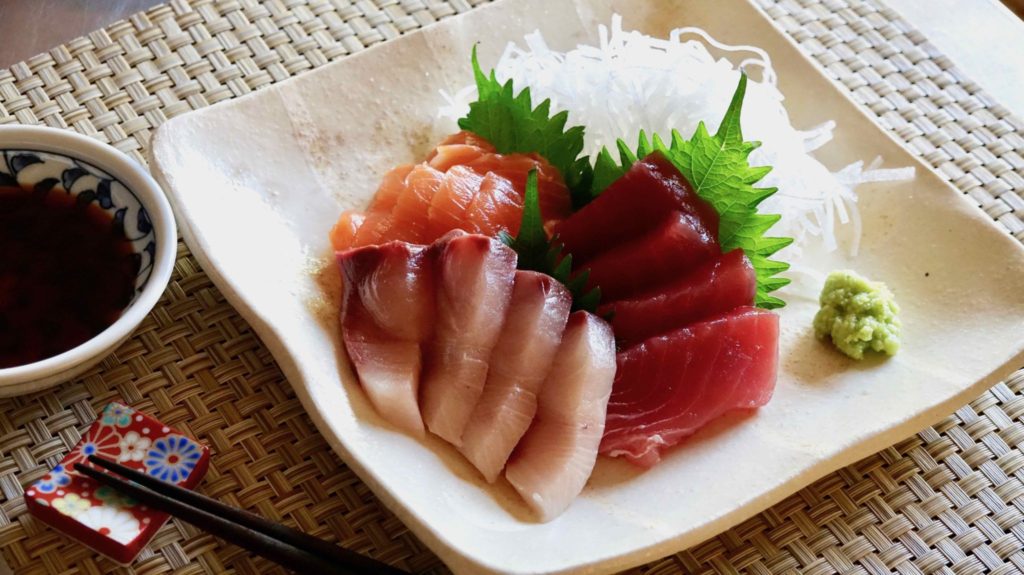
The Best sashimi recipe
This recipe is perfect for those nights when you want something quick but still impressive, or when you’re hosting a small gathering and want to serve something elegant without spending hours in the kitchen. Plus, it’s packed with protein and healthy fats, so I never feel guilty about letting the kids have extra. I usually pick up the fish from a trusted seafood market the same day I plan to serve it, which makes all the difference in flavor and texture. It’s one of those meals that feels special but is actually effortless, and that’s why it’s a staple in our house.
Classic Sashimi Platter
A delicate and fresh Japanese dish featuring thinly sliced raw fish, served with traditional accompaniments. This elegant platter highlights the natural flavors of high-quality seafood, perfect for sushi lovers.
🥘Ingredients
- 1 lb (450g) sushi-grade fish (salmon, tuna, or hamachi)
- 1 small daikon radish, julienned (optional)
- 1/2 cup shiso leaves or microgreens (optional)
- 1/4 cup soy sauce (for dipping)
- 2 tbsp wasabi paste (adjust to taste)
- 1 tbsp pickled ginger (gari)
- 1 tbsp toasted sesame seeds
- 1 lemon or lime, cut into wedges
👨🍳Directions
-
1
Ensure the fish is sushi-grade and very fresh. Keep it refrigerated until ready to slice. -
2
Using a very sharp knife, slice the fish against the grain into 1/4-inch thick pieces. For salmon or tuna, cut at a slight angle for larger slices. -
3
Arrange the sliced fish neatly on a chilled platter. Garnish with julienned daikon radish, shiso leaves, or microgreens if using. -
4
Serve the sashimi with small bowls of soy sauce, wasabi paste, and pickled ginger on the side. Sprinkle with toasted sesame seeds and add lemon or lime wedges for brightness. -
5
To eat, lightly dip the fish in soy sauce (avoid over-saturating) and pair with wasabi and pickled ginger as desired.
🔧Equipment
- Very sharp knife (sashimi knife preferred)
- Cutting board
- Small bowls (for soy sauce and wasabi)
- Platter or serving dish
📊Nutrition Facts (per serving)
📝Notes
Watch Video Of How Classic Sashimi Platter Works
❓ Frequently Asked Questions About Sashimi Platter
1. What type of fish is best for making sashimi?
The best fish for sashimi are those that are extremely fresh, sushi-grade, and safe to eat raw. Common choices include salmon, tuna (especially bluefin or yellowfin), hamachi (yellowtail), sea bass, and mackerel. Always buy from a trusted fishmonger or supplier that labels their fish as “sushi-grade” or “sashimi-grade” to ensure it’s been properly handled and frozen to kill parasites.
2. How do I know if the fish is fresh enough for sashimi?
Fresh sashimi-grade fish should have a clean, ocean-like smell (not fishy or ammonia-like), firm and glossy flesh, and bright, clear eyes (if whole). The texture should bounce back when pressed gently. If the fish smells strong, feels mushy, or has a dull color, it’s not fresh enough. When in doubt, ask your fishmonger when the fish was caught and how it was stored.
3. Do I need to freeze the fish before making sashimi?
Yes, freezing is often recommended to kill parasites that may be present in raw fish. The FDA suggests freezing fish at -4°F (-20°C) for at least 7 days or at -31°F (-35°C) for 15 hours to ensure safety. However, some high-quality sushi-grade fish is already frozen by suppliers to meet these standards. Always confirm with your fishmonger.
4. What’s the proper way to slice fish for sashimi?
The key to slicing sashimi is using a sharp, long-bladed knife (like a yanagiba or sashimi knife) and cutting in one smooth motion. For most fish, slice against the grain at a 45-degree angle to create thin, even pieces (about ¼-inch thick). The exact technique varies by fish—salmon is often cut into thicker slices, while tuna may be sliced thinner. Keep the knife wet to prevent sticking.
5. Can I make sashimi without a sushi knife?
While a specialized sashimi knife is ideal, you can still make sashimi with a very sharp chef’s knife or a long, thin-bladed knife. The most important factors are sharpness and a smooth cutting motion. Avoid serrated knives, as they tear the flesh. Chill the fish slightly before slicing to make it firmer and easier to cut cleanly.