
shortbread crust recipe

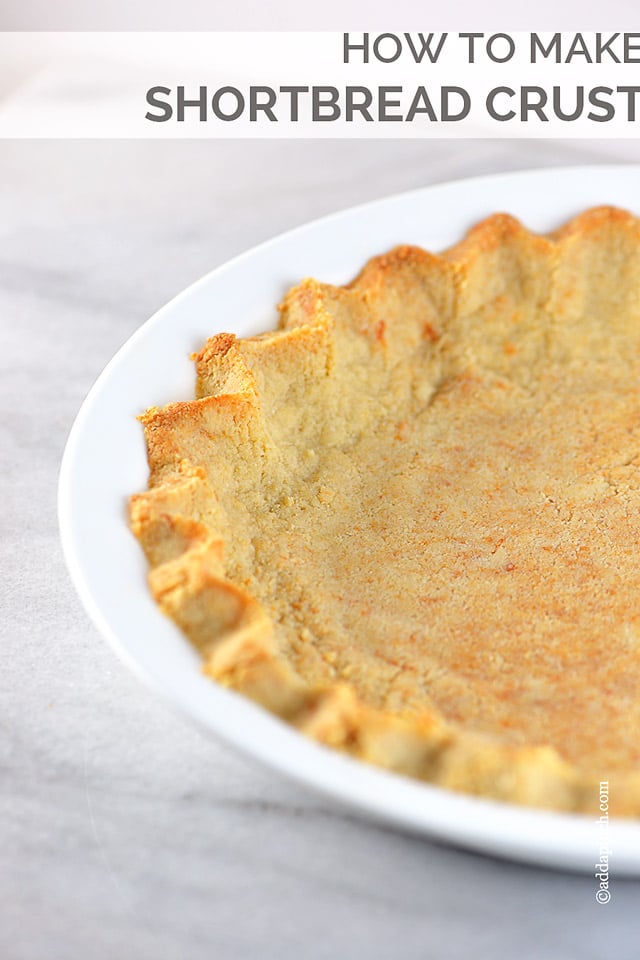
The Best shortbread crust recipe
What I love most about this crust is how versatile it is. It holds up to almost any filling, from rich custards to fresh berries, and it’s sturdy enough to slice cleanly but still melts in your mouth. Plus, it’s made with just a few basic ingredients—flour, butter, sugar—which means no weird additives or complicated steps. I also appreciate that it’s not overly sweet, so it balances out richer desserts without overpowering them. And since it’s so easy to make, I don’t hesitate to whip up a batch for weeknight desserts or last-minute gatherings.
Another reason I swear by this recipe is that it’s a great way to control what goes into your treats. I’ve tweaked it over the years to use less sugar or even swap in whole wheat flour for a slightly healthier version, and it still turns out great. The butter gives it a nice richness, but since it’s not loaded with heavy cream or extra fats, it feels a little lighter than some other crusts. Whether I’m making a fancy dessert for company or just a quick snack for the kids, this shortbread crust is always my go-to.
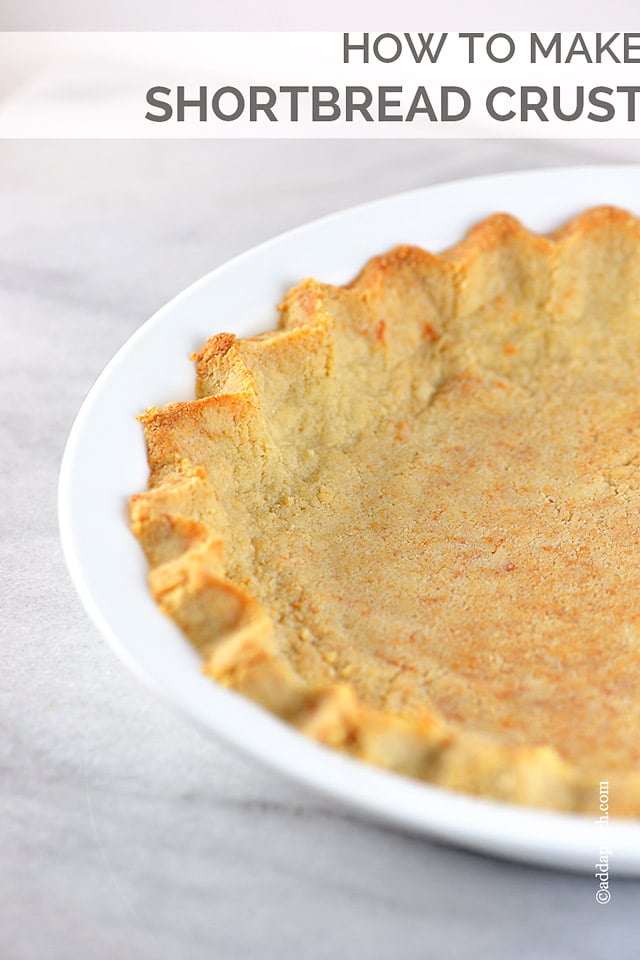
Classic Shortbread Crust
A buttery and crisp shortbread crust that serves as the perfect base for pies, tarts, or cheesecakes. This easy-to-make recipe delivers a rich, melt-in-your-mouth texture with minimal effort.
🥘Ingredients
- 1 cup (2 sticks) unsalted butter, softened
- 1/2 cup granulated sugar
- 2 cups all-purpose flour
- 1/4 tsp salt
- 1 tsp vanilla extract (optional)
👨🍳Directions
-
1
Preheat your oven to 350°F (175°C) and lightly grease a 9-inch pie dish or tart pan. -
2
In a large mixing bowl, cream together the softened butter and granulated sugar until light and fluffy. -
3
Add the flour, salt, and vanilla extract (if using) to the butter mixture. Mix until the dough comes together and resembles coarse crumbs. -
4
Press the dough evenly into the bottom and up the sides of the prepared pie dish or tart pan using your fingers or the back of a spoon. -
5
Prick the dough all over with a fork to prevent air bubbles from forming during baking. -
6
Bake in the preheated oven for 18-20 minutes, or until the edges are lightly golden. -
7
Remove from the oven and let the crust cool completely before filling. For a firmer crust, chill in the refrigerator for 15 minutes before adding fillings.
🔧Equipment
- Mixing bowl
- Measuring cups and spoons
- 9-inch pie dish or tart pan
- Fork or pastry cutter
- Oven
📊Nutrition Facts (per serving)
📝Notes
Watch Video Of How Classic Shortbread Crust Works
❓ Frequently Asked Questions About Shortbread Crust
1. Can I use salted butter instead of unsalted butter in the shortbread crust?
Yes, you can use salted butter, but you may want to reduce or omit any additional salt in the recipe to avoid an overly salty crust. Taste the dough before baking to adjust the seasoning if needed.
2. Why did my shortbread crust turn out too crumbly?
A crumbly crust usually means the dough was either too dry or not pressed firmly enough into the pan. Make sure to measure your ingredients accurately, and press the dough evenly into the pan using your fingers or the back of a spoon. Chilling the dough before baking can also help.
3. Can I make the shortbread crust ahead of time?
Absolutely! You can bake the crust up to 2 days ahead and store it at room temperature in an airtight container. For longer storage, freeze the baked crust for up to 3 months—just thaw it at room temperature before using.
4. Do I need to blind-bake the shortbread crust?
It depends on the filling. If you’re using a no-bake filling (like a mousse or custard), blind-baking (pre-baking) the crust is essential to prevent sogginess. If the filling requires baking (like a quiche), you can often bake the crust and filling together.
5. Can I substitute all-purpose flour with almond flour or gluten-free flour?
You can experiment with alternatives, but the texture will differ. Almond flour may make the crust more crumbly, while gluten-free flour blends can work if they’re designed for baking. For best results, follow a tested gluten-free shortbread recipe or use a 1:1 gluten-free flour blend with xanthan gum.