
sourdough bread recipe for bread machine

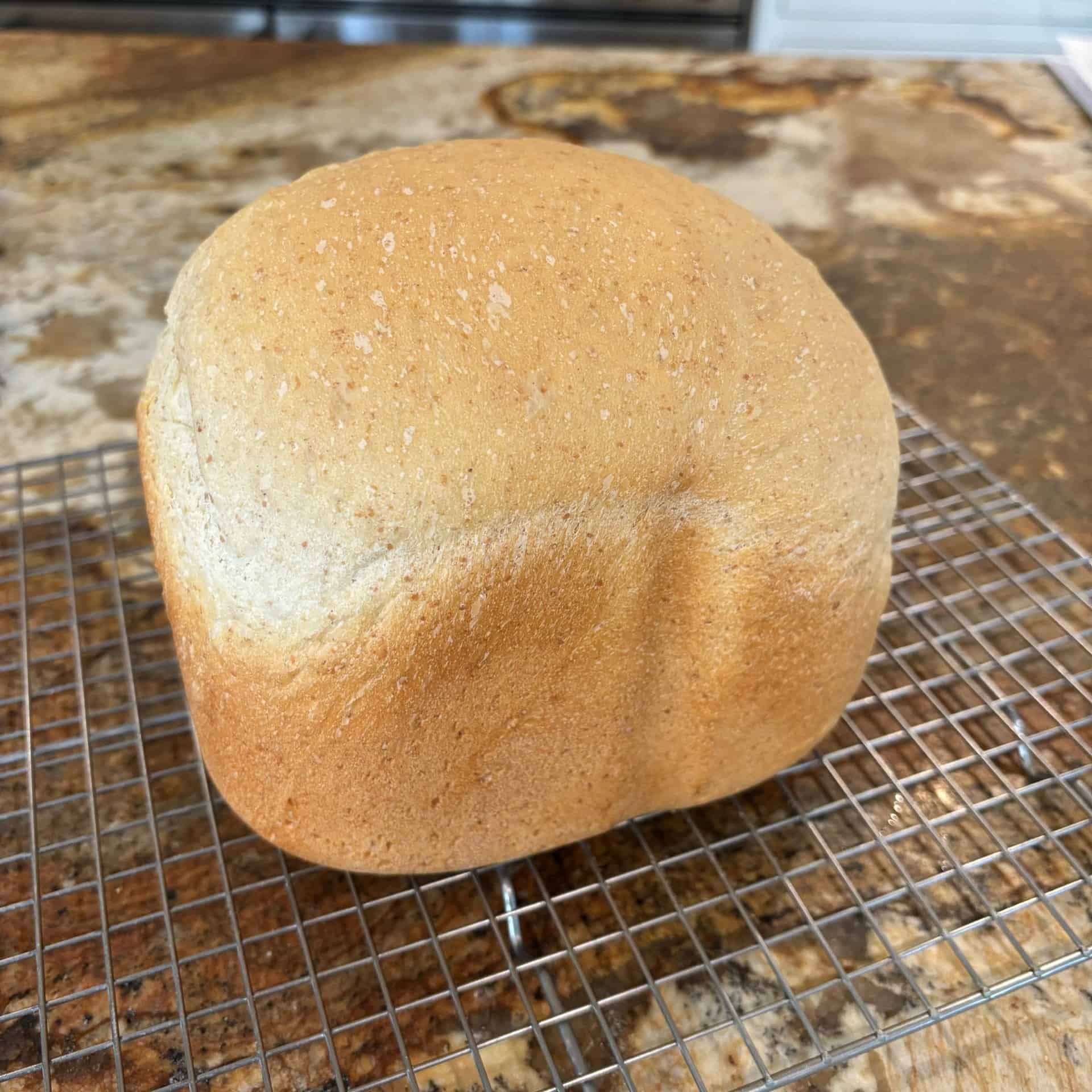
The Best sourdough bread recipe for bread machine
What I love most about sourdough is how much better it is for you than store-bought bread. The long fermentation breaks down the gluten and phytic acid, making it easier to digest, and the natural probiotics are great for gut health. Plus, it’s packed with more nutrients than regular bread because the process unlocks minerals like magnesium and zinc. This version is just as wholesome but way more convenient. Whether we’re having it with soup for dinner or making toast in the morning, it’s become a staple in our house. It’s hearty, flavorful, and honestly, the only bread my family will eat now. If you’ve been intimidated by sourdough before, this is the easiest way to start.

Sourdough Bread for Bread Machine
A classic sourdough bread made effortlessly in a bread machine. This recipe yields a tangy, crusty loaf with a soft interior, perfect for sandwiches or toast.
🥘Ingredients
- 1 cup (240g) active sourdough starter (fed and bubbly)
- 1 1/4 cups (300ml) warm water (about 90°F)
- 3 1/2 cups (440g) bread flour or all-purpose flour
- 1 1/2 tsp salt
- 1 tbsp sugar or honey (optional, for slight sweetness)
👨🍳Directions
-
1
Check that your sourdough starter is active and bubbly. If not, feed it 4-12 hours before starting the recipe. -
2
Add the warm water and sourdough starter to the bread machine pan. Stir gently to combine. -
3
Add the flour, salt, and sugar (if using) to the pan. Ensure the salt does not directly touch the starter to avoid killing the yeast. -
4
Select the “Dough” setting on your bread machine and start the cycle. Allow the machine to knead and ferment the dough (this usually takes about 1.5 to 2 hours). -
5
Once the dough cycle is complete, remove the dough from the machine and shape it into a round or oval loaf. Place it on a parchment-lined baking sheet or in a proofing basket. -
6
Cover the dough with a damp towel and let it rise at room temperature for 1-2 hours, or until it has doubled in size. For a more pronounced sourdough flavor, refrigerate the dough overnight (8-12 hours) for a cold proof. -
7
Preheat your oven to 450°F (230°C) with a Dutch oven inside (if using) or a baking sheet. If using a Dutch oven, preheat it for at least 30 minutes. -
8
Score the top of the dough with a sharp knife or razor blade to allow for expansion during baking. -
9
Bake the dough in the preheated Dutch oven (covered) or on the baking sheet for 20 minutes. Then, remove the lid (if using a Dutch oven) and bake for an additional 20-25 minutes, or until the loaf is golden brown and sounds hollow when tapped. -
10
Allow the bread to cool on a wire rack for at least 1 hour before slicing to prevent a gummy texture.
🔧Equipment
- Bread machine
- Measuring cups and spoons
- Dough scraper (optional)
- Baking sheet or Dutch oven (for baking)
- Parchment paper
📊Nutrition Facts (per serving)
📝Notes
Watch Video Of How Sourdough Bread for Bread Machine Works
❓ Frequently Asked Questions About Sourdough Bread for Bread Machine
1. Can I use a bread machine to make sourdough bread from scratch?
Yes, you can use a bread machine to make sourdough bread, but it requires some adjustments. Most bread machines have a “dough” setting, which is ideal for mixing, kneading, and allowing the dough to rise. After the dough cycle completes, you’ll need to shape the dough, let it rise again (proof), and then bake it in your oven for the best crust and texture. Some advanced bread machines may have a “sourdough” or “artisan” setting, but even then, manual shaping and baking are often recommended for optimal results.
2. How do I adjust the recipe if my bread machine doesn’t have a sourdough setting?
If your bread machine lacks a sourdough setting, use the “dough” cycle to mix and knead the ingredients. Here’s how to adapt:
– Use the standard bread machine recipe ratios (e.g., 3 cups flour, 1 cup water, 1/4 cup sourdough starter, 1 tsp salt, 1 tbsp sugar or honey).
– After the dough cycle finishes, remove the dough, shape it, and let it proof at room temperature (or in a warm spot) until doubled in size (about 1–2 hours, depending on your starter’s strength).
– Bake in a preheated oven at 425°F (220°C) for 25–30 minutes for a crisp crust.
3. Why did my sourdough bread turn out dense or flat in the bread machine?
Dense or flat sourdough in a bread machine can happen for several reasons:
– Weak or inactive starter: Ensure your starter is bubbly and doubles in size within 4–6 hours of feeding. If it’s sluggish, feed it 1:1:1 (starter:flour:water) for a few days before using.
– Too much flour: Bread machine recipes often call for more flour than traditional sourdough. Reduce the flour slightly (start with 2 3/4 cups instead of 3) and adjust based on dough consistency.
– Insufficient proofing: Sourdough needs time to rise. If your machine’s dough cycle is too short, let the dough rest longer after shaping (e.g., overnight in the fridge for a slow rise).
– Over-kneading: Bread machines can overwork the dough. Use the “dough” cycle only and avoid the “bake” setting unless your machine has a sourdough-specific program.
4. Can I add whole grains or seeds to my sourdough bread machine recipe?
Yes! Whole grains and seeds add flavor and texture, but they require some adjustments:
– Soak seeds/nuts: Soak seeds (like flax, sunflower, or pumpkin) in water for 1–2 hours before adding to prevent dryness.
– Reduce whole grains: Replace up to 50% of the white flour with whole wheat, rye, or spelt. Whole grains absorb more water, so increase the liquid by 1–2 tbsp per cup of whole grain flour.
– Add at the right time: If your machine has a “fruit/nut” dispenser, use it. Otherwise, add seeds or grains during the last 5 minutes of the kneading cycle to avoid over-processing.
– Boost the starter: Whole grains can slow fermentation. Use a slightly more active starter (e.g., 1/3 cup instead of 1/4 cup) to help the dough rise.
5. How do I store sourdough bread made in a bread machine, and how long does it stay fresh?
Sourdough bread stays fresh longer than commercial bread due to its natural acidity, but proper storage is key:
– Room temperature: Store in a paper bag or bread box for up to 3–4 days. Avoid plastic bags, as they trap moisture and make the crust soggy.
– Freezing: Slice the bread, wrap tightly in plastic wrap or aluminum foil, and freeze for up to 3 months. Toast slices directly from frozen.
– Reviving stale bread: Spritz with water and reheat in a 350°F (175°C) oven for 5–10 minutes to restore crustiness. For stale slices, use them for croutons, breadcrumbs, or French toast.
– Avoid the fridge: Refrigeration dries out sourdough faster. Only refrigerate if you plan to use it within 1–2 days (e.g., for sandwiches).