
sourdough hamburger buns recipe

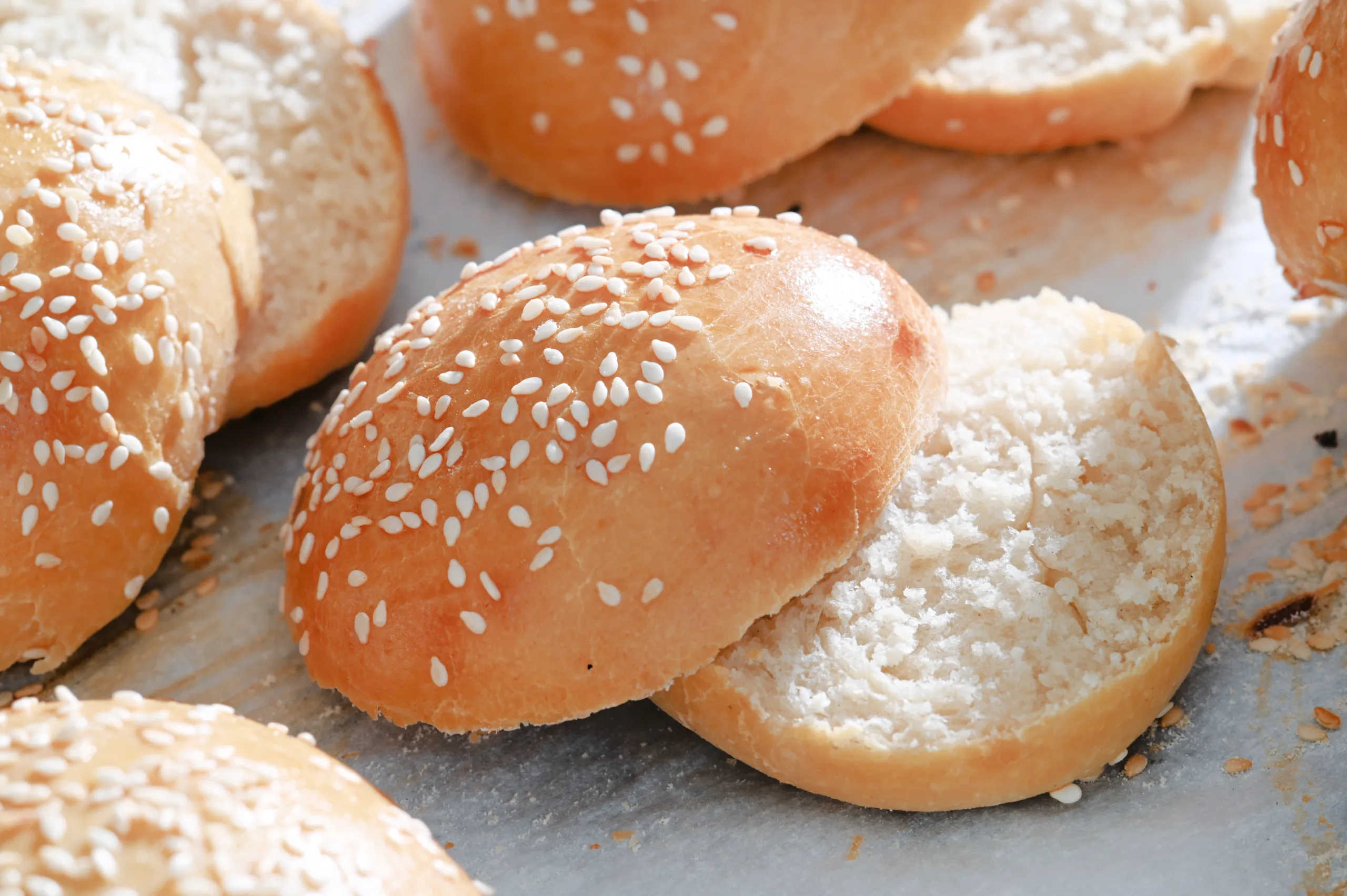
The Best sourdough hamburger buns recipe
What I love most about this recipe is how it fits into our routine. It’s simple enough for a weeknight but special enough for a weekend barbecue with friends. Plus, sourdough brings its own health benefits—it’s easier to digest than regular bread, and the fermentation process adds nutrients. I’ve tweaked the recipe over time to make it foolproof, so even if you’re new to sourdough, you’ll get great results. These buns are soft, slightly chewy, and have just the right amount of structure to hold up to juicy burgers or loaded sandwiches. If you’re looking for a homemade bun that’s better than anything you can buy, this is the one to try.

Artisan Sourdough Hamburger Buns
Soft, tangy, and slightly chewy sourdough hamburger buns with a golden crust. Perfect for gourmet burgers or sandwiches, these buns add a delicious depth of flavor to any meal.
🥘Ingredients
- ½ cup active sourdough starter (fed and bubbly)
- ½ cup warm water (105°F-110°F)
- 1 cup all-purpose flour
- 3 ½ cups all-purpose flour (plus extra for dusting)
- 1 ¼ cups warm water (105°F-110°F)
- 2 tbsp granulated sugar
- 2 tsp salt
- 2 tbsp unsalted butter (melted)
- 1 large egg (for egg wash, optional)
- 1 tbsp sesame seeds or poppy seeds
- 1 tbsp rolled oats
👨🍳Directions
-
1
Activate the sourdough starter: In a small bowl, mix the sourdough starter, warm water, and 1 cup of flour. Cover and let sit at room temperature for 4-6 hours or until bubbly and doubled in size. -
2
Mix the dough: In a large bowl, combine 3 ½ cups flour, sugar, and salt. Add the activated sourdough starter, warm water, and melted butter. Mix with a dough whisk or wooden spoon until a shaggy dough forms. -
3
Knead the dough: Turn the dough onto a lightly floured surface and knead for 8-10 minutes until smooth and elastic. Alternatively, use a stand mixer with a dough hook for 5-7 minutes. -
4
First fermentation: Place the dough in a lightly oiled bowl, cover with plastic wrap or a damp towel, and let rise at room temperature for 3-4 hours, or until doubled in size. For a slower rise, refrigerate for 8-12 hours. -
5
Shape the buns: Punch down the dough to release air, then divide into 8 equal portions (about 100g each). Roll each portion into a smooth ball and place on a parchment-lined baking sheet. Flatten slightly with your palm. -
6
Second fermentation: Cover the buns with a damp towel and let rise for 1-2 hours, or until puffy and nearly doubled in size. -
7
Preheat the oven to 375°F (190°C). If using, brush the tops of the buns with beaten egg and sprinkle with sesame seeds, poppy seeds, or oats. -
8
Bake the buns: Place the baking sheet in the preheated oven and bake for 18-22 minutes, or until golden brown and the internal temperature reaches 190°F (88°C). -
9
Cool the buns: Remove from the oven and let cool on a wire rack for at least 20 minutes before slicing to prevent them from becoming gummy.
🔧Equipment
- Large mixing bowl
- Kitchen scale (optional, for accuracy)
- Dough whisk or wooden spoon
- Plastic wrap or damp towel
- Baking sheet
- Parchment paper
- Pastry brush
- Oven
📊Nutrition Facts (per serving)
📝Notes
Watch Video Of How Artisan Sourdough Hamburger Buns Works
❓ Frequently Asked Questions About Artisan Sourdough Hamburger Buns
1. Can I use all-purpose flour instead of bread flour for sourdough hamburger buns?
Yes, you can substitute all-purpose flour for bread flour, but the buns may be slightly less chewy and have a softer texture. Bread flour has a higher protein content, which helps develop more gluten for a better structure. If using all-purpose flour, you might need to adjust the hydration slightly or knead the dough a bit longer to achieve the desired consistency.
2. How do I know when my sourdough hamburger buns are fully proofed?
Your sourdough hamburger buns are fully proofed when they’ve visibly expanded (about 1.5x their original size), feel light and airy to the touch, and hold a slight indentation when gently pressed. If they spring back quickly, they need more time. Overproofing can cause them to collapse, so keep an eye on them during the final stages.
3. Can I make these buns ahead of time and freeze them?
Absolutely! Once the buns are fully baked and cooled, you can freeze them for up to 3 months. Wrap them tightly in plastic wrap or place them in an airtight container to prevent freezer burn. To reheat, thaw at room temperature and warm in a 350°F (175°C) oven for 5–10 minutes to restore freshness.
4. Why did my sourdough hamburger buns turn out dense?
Dense buns can result from underproofing, overproofing, or insufficient gluten development. Ensure your starter is active and bubbly before mixing the dough, and allow enough time for bulk fermentation (usually 4–6 hours at room temperature). Kneading the dough properly (or using stretch-and-folds) also helps create a light, airy texture.
5. Can I add seeds or herbs to the dough for extra flavor?
Yes! You can mix in seeds (like sesame, poppy, or sunflower) or herbs (such as rosemary, garlic powder, or onion flakes) into the dough during the final shaping stage. For seeds, you can also brush the tops with egg wash and sprinkle them on before baking for a decorative finish. Just avoid overloading the dough, as too many add-ins can affect the rise.