tallow soap recipe

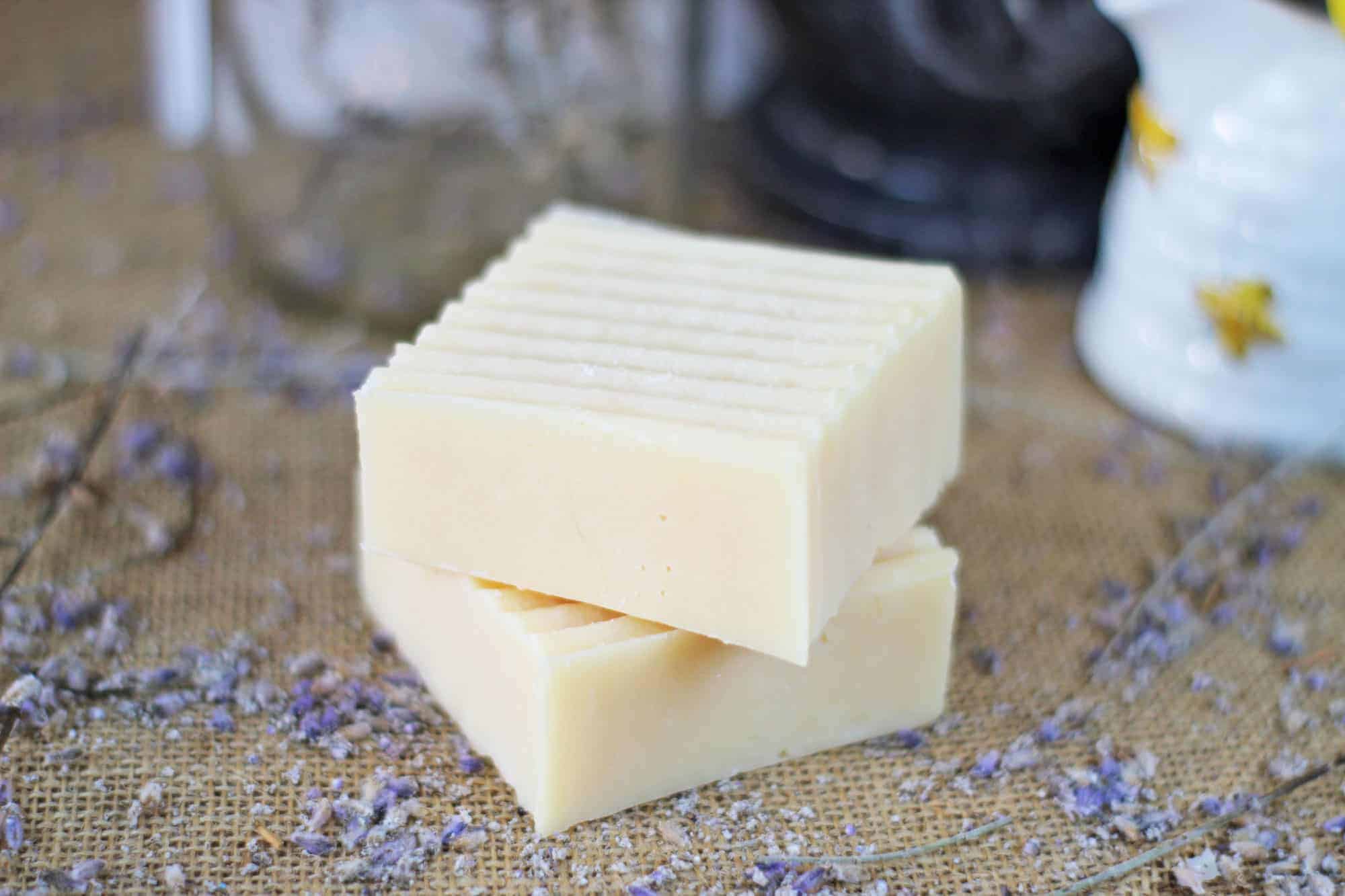
The Best tallow soap recipe
This recipe is perfect for daily use, but it’s also great for gifting or stocking up for the winter when dry skin becomes a real problem. I keep a batch in the guest bathroom and another in the shower, and my husband swears by it for shaving because it doesn’t leave his face feeling tight or stripped. Plus, it’s a great way to use up leftover fat if you cook with grass-fed beef, which makes it both practical and budget-friendly. The process takes a little patience, but the results are worth it—clean, soft skin without any of the harsh chemicals you find in commercial soaps.

Traditional Tallow Soap Recipe
A nourishing and long-lasting bar soap made with rendered beef tallow, coconut oil, and lye. This cold-process soap is gentle on skin and creates a rich, creamy lather perfect for everyday use.
🥘Ingredients
- 24 oz (680g) beef tallow (rendered and filtered)
- 8 oz (227g) coconut oil (76°F melt point)
- 4 oz (113g) olive oil (or castor oil for extra lather)
- 4.6 oz (130g) sodium hydroxide (lye, 100% purity)
- 10 oz (295ml) distilled water (or goat milk for extra creaminess)
- 1 tbsp essential oils (e.g., lavender, tea tree, or peppermint) for fragrance
- 1 tbsp dried herbs or clays (e.g., calendula petals, activated charcoal) for color/texture
👨🍳Directions
-
1
Prepare your workspace by covering surfaces with newspaper or plastic. Wear protective gear (gloves, goggles, long sleeves) to handle lye safely. -
2
Weigh the distilled water in a heat-resistant container. Slowly add the lye to the water (never the other way around) while stirring gently. The mixture will heat up and release fumes—work in a well-ventilated area or outdoors. Set aside to cool to 100–120°F (38–49°C). -
3
In a separate bowl, melt the beef tallow and coconut oil together over low heat or in a double boiler. Remove from heat and stir in the olive oil. Allow the mixture to cool to 100–120°F (38–49°C). -
4
Slowly pour the lye solution into the oils while stirring gently with a spatula. Once combined, use a stick blender to mix until the soap reaches “trace” (a pudding-like consistency where drizzled soap leaves a visible trail). -
5
Add essential oils or additives (if using) and blend briefly to incorporate. Avoid overmixing. -
6
Pour the soap batter into the prepared mold, tapping the mold gently to remove air bubbles. Cover with plastic wrap or cardboard and insulate with a towel to retain heat for 24–48 hours. -
7
After 24–48 hours, unmold the soap and cut into bars. Place the bars on a drying rack or parchment paper in a cool, dry, well-ventilated area to cure for 4–6 weeks, turning occasionally for even drying. -
8
Test the soap after 4 weeks—it should be hard and pH-balanced (use a pH strip to confirm a range of 8–10). Store in a dry place until ready to use.
🔧Equipment
- Digital kitchen scale (for precise measurements)
- Heat-resistant glass or stainless steel mixing bowl
- Stick blender (immersion blender)
- Silicone spatula
- Soap mold (silicone or wooden with liner)
- Rubber gloves and safety goggles
- Long-sleeved shirt and pants (for safety)
- Thermometer (infrared or candy thermometer)
- Plastic wrap or cardboard (for insulating mold)
- Knife or soap cutter (for slicing bars after curing)
📊Nutrition Facts (per serving)
📝Notes
– Always add lye to water (not water to lye) to prevent dangerous reactions.
– Use a lye calculator (e.g., SoapCalc) to adjust measurements for different oils.
– For a harder bar, increase tallow or add 1–2 oz of beeswax.
– If using goat milk, freeze it first to prevent scorching when mixed with lye.
– Safety first: Lye is caustic—keep pets and children away during the process.
Watch Video Of How Traditional Tallow Soap Recipe Works
❓ Frequently Asked Questions About Tallow Soap
1. What is tallow soap and why should I use it?
Tallow soap is a type of soap made from rendered animal fat (usually beef or sheep fat) combined with lye and water. It’s valued for its moisturizing properties, long-lasting lather, and durability. Many people prefer tallow soap because it closely resembles the natural oils in human skin, making it deeply nourishing and gentle for dry or sensitive skin.
2. Can I use any type of tallow for soap making?
While beef tallow is the most common, you can use tallow from other animals like sheep or bison. The key is to use high-quality, grass-fed tallow for the best results. Avoid tallow with strong odors or excessive impurities, as these can affect the soap’s scent and texture. Rendering the fat properly (slow-cooking and straining) ensures a clean, usable tallow.
3. How much lye do I need for a tallow soap recipe?
The amount of lye depends on the weight of your tallow and the desired superfat percentage (extra fat left in the soap for moisturizing). A standard ratio is about 5% superfat, meaning you’ll use slightly less lye than the exact saponification value. For example, for 1 lb (16 oz) of tallow, you’d typically use around 2.1 oz of lye (sodium hydroxide). Always use a lye calculator to confirm the exact amount for your recipe.
4. Can I add essential oils or herbs to my tallow soap?
Yes! Essential oils (like lavender, tea tree, or peppermint) can be added at trace (when the soap mixture thickens) for fragrance. Herbs, clays, or exfoliants (like oatmeal or coffee grounds) can also be mixed in. However, avoid adding anything that could spoil (like fresh milk or fruit) unless you’re experienced with advanced techniques. Always research safe usage rates for essential oils.
5. How long does tallow soap need to cure, and why is curing important?
Tallow soap typically needs 4–6 weeks to cure fully. Curing allows excess water to evaporate, making the soap harder and longer-lasting. It also ensures the lye is fully neutralized, resulting in a milder bar. Skipping the cure time can lead to a softer, shorter-lasting soap that may irritate the skin. Store curing bars in a cool, dry place with good airflow.