
thai chili pepper recipe

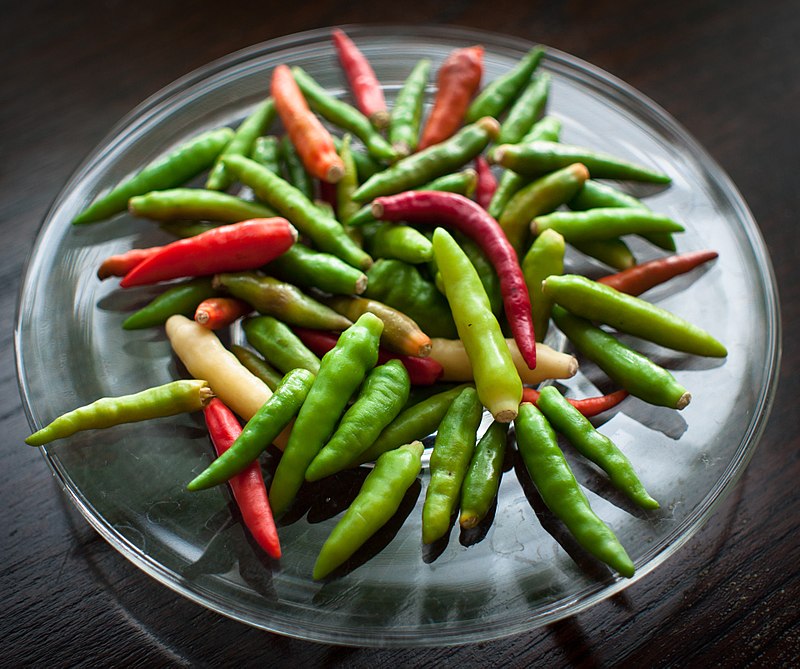
The Best thai chili pepper recipe
This recipe is one of those rare finds that works for just about any occasion. Need a fast side dish? Done. Want to add some heat to grilled chicken or fish? Perfect. It even holds up well in the fridge for a few days, so you can make a big batch and use it throughout the week. And let’s talk about the health benefits—Thai chilies are packed with vitamin C and capsaicin, which is great for metabolism and circulation. The garlic and lime add even more immune-boosting properties, making this a dish that’s as good for you as it is delicious. My husband always says it’s the one thing he’d eat every day if he could, and honestly, I don’t blame him.
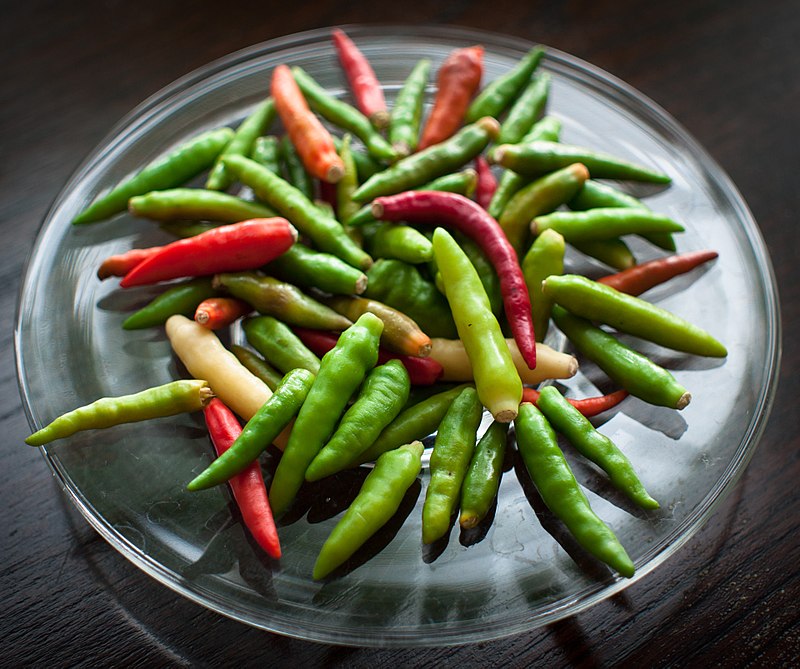
Spicy Thai Chili Pepper Stir-Fry
A fiery and aromatic Thai-inspired stir-fry featuring fresh chili peppers, tender chicken, and vibrant vegetables. This dish balances heat with savory, sweet, and tangy flavors for a bold culinary experience.
🥘Ingredients
- 1 lb (450g) boneless chicken breast or thigh, thinly sliced
- 2 tbsp soy sauce
- 1 tbsp fish sauce
- 1 tbsp cornstarch
- 1 tsp sugar
- 1 tbsp vegetable oil
- 3 tbsp vegetable oil, divided
- 4-6 Thai bird’s eye chilies, finely chopped (adjust to taste)
- 4 cloves garlic, minced
- 1 small onion, thinly sliced
- 1 red bell pepper, thinly sliced
- 1 cup green beans, trimmed and cut into 2-inch pieces
- 1 carrot, julienned
- 2 tbsp oyster sauce
- 1 tbsp soy sauce
- 1 tbsp fish sauce
- 1 tsp sugar
- 1/2 cup Thai basil leaves (or regular basil)
- 1/4 cup cilantro, chopped
- 1 lime, cut into wedges
👨🍳Directions
-
1
In a large bowl, combine the sliced chicken with soy sauce, fish sauce, cornstarch, sugar, and 1 tbsp vegetable oil. Mix well and let marinate for 15 minutes. -
2
Heat 2 tbsp of vegetable oil in a wok or large skillet over high heat. Add the marinated chicken and stir-fry for 3-4 minutes until cooked through. Remove the chicken from the wok and set aside. -
3
In the same wok, add the remaining 1 tbsp of oil. Add the chopped Thai chilies and minced garlic, stir-frying for 30 seconds until fragrant. -
4
Add the sliced onion, bell pepper, green beans, and carrot to the wok. Stir-fry for 3-4 minutes until the vegetables are tender-crisp. -
5
Return the chicken to the wok and add oyster sauce, soy sauce, fish sauce, and sugar. Toss everything together and cook for an additional 1-2 minutes. -
6
Remove from heat and stir in the Thai basil and cilantro. Serve hot with lime wedges on the side.
🔧Equipment
- Large mixing bowl
- Wok or large skillet
- Chef’s knife
- Cutting board
- Wooden spoon or spatula
- Measuring spoons
📊Nutrition Facts (per serving)
📝Notes
Watch Video Of How Spicy Thai Chili Pepper Stir-Fry Works
❓ Frequently Asked Questions About Spicy Thai Chili Pepper Stir-Fry
1. What type of Thai chili peppers should I use for this recipe?
The most common Thai chili peppers used in recipes are Bird’s Eye Chilies (Prik Kee Noo). They’re small, fiery, and pack a lot of heat (50,000–100,000 Scoville units). If you prefer milder heat, you can substitute with Jalapeños or Serrano peppers, but the flavor won’t be as authentic. For extra heat, try Habaneros—just use them sparingly!
2. How do I reduce the spiciness if the recipe is too hot?
If the dish turns out too spicy, try these fixes:
– Add dairy: Stir in coconut milk, yogurt, or a splash of cream to mellow the heat.
– Balance with sweetness: A teaspoon of sugar, honey, or palm sugar can counteract the spice.
– Increase volume: Dilute the dish with more vegetables, broth, or protein (like tofu or chicken).
– Acid: A squeeze of lime juice or a dash of vinegar can help neutralize the burn.
– Remove seeds: If you haven’t cooked the peppers yet, deseeding them reduces heat significantly.
3. Can I make this recipe ahead of time, and how should I store it?
Yes! Thai chili pepper dishes often taste even better the next day as the flavors meld. Here’s how to store them:
– Refrigerator: Let the dish cool completely, then transfer it to an airtight container. It’ll keep for 3–4 days.
– Freezer: For longer storage, freeze in portions for up to 3 months. Thaw overnight in the fridge before reheating.
– Reheating: Warm gently on the stove or in the microwave, adding a splash of water or broth if it’s too thick.
Note: Some dishes (like chili pastes) may separate—just stir well before using.
4. What’s the best way to handle Thai chili peppers to avoid skin irritation?
Thai chilies are potent, and their oils can irritate skin and eyes. Follow these precautions:
– Wear gloves: Use disposable gloves when handling or chopping peppers.
– Avoid touching your face: Especially your eyes, nose, or mouth—even after washing your hands.
– Wash hands thoroughly: Use soap and warm water, scrubbing under nails. Some people swear by rubbing hands with oil (like vegetable or olive oil) first to dissolve the capsaicin, then washing with soap.
– Use tools: If possible, use a knife and cutting board instead of handling peppers directly.
– Ventilate your kitchen: Chopping chilies can release fumes that may irritate your lungs—open a window or turn on a fan.
5. What are some common dishes that use Thai chili peppers?
Thai chili peppers are a staple in many Thai dishes. Here are a few classics:
– Nam Prik Pao (Thai Chili Jam): A sweet, smoky, and spicy condiment used in stir-fries or as a dip.
– Tom Yum Goong: A hot and sour shrimp soup with lemongrass, lime, and chilies.
– Pad Kra Pao (Stir-Fried Holy Basil): A fiery minced meat dish with basil and chilies, often served with rice and a fried egg.
– Som Tum (Green Papaya Salad): A spicy, tangy salad with shredded papaya, peanuts, and chilies.
– Gaeng Daeng (Red Curry): A rich coconut curry paste made with red chilies, garlic, and spices.
– Sriracha (Thai-style): A popular hot sauce made from chilies, garlic, vinegar, and sugar.
For a quick fix, you can also make chili flakes or chili oil by drying and crushing the peppers or infusing them in oil.