
turkish bread recipe

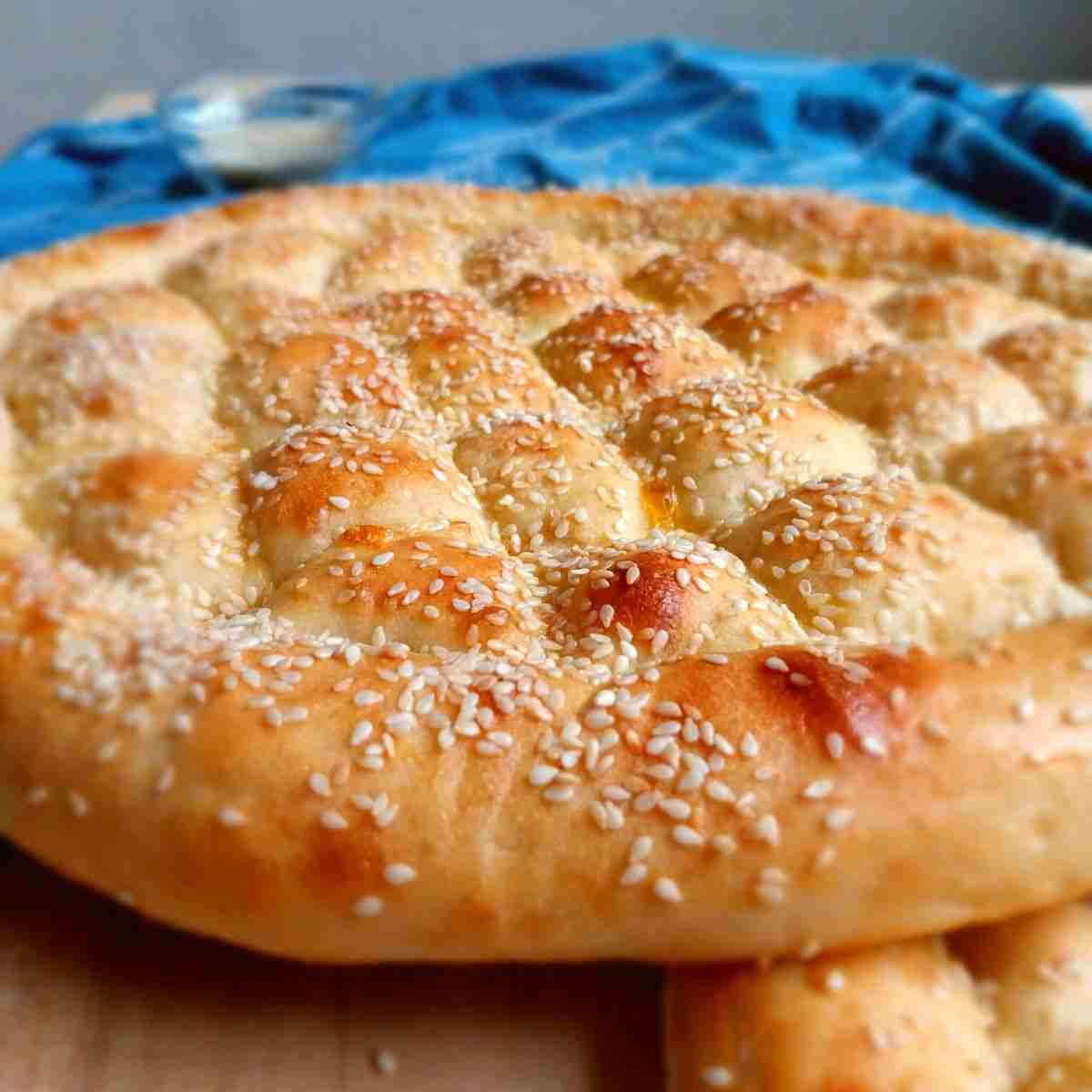
The Best turkish bread recipe
What I really appreciate about this recipe is how straightforward it is. You don’t need any fancy ingredients or special equipment—just flour, yeast, water, and a little salt. It’s the kind of bread that works for everyday meals, whether you’re serving it with soup, using it for sandwiches, or just enjoying it on its own. Plus, it’s a great option if you’re trying to avoid store-bought bread with preservatives. The dough comes together quickly, and the result is always fresh and delicious.
Another reason I love this bread is that it’s a great way to get the kids involved in the kitchen. They love helping with the kneading and shaping, and it’s a fun way to teach them about baking. The best part? It’s ready in under two hours, so it’s perfect for those days when you want homemade bread but don’t have all day to wait. It’s also a great recipe for gatherings—people always ask for seconds, and it pairs well with just about anything. If you haven’t tried making Turkish bread before, I highly recommend it. It’s a simple, wholesome recipe that’s become a staple in our home.
Traditional Turkish Bread (Pide)
A soft, fluffy, and slightly chewy Turkish bread with a golden crust, perfect for serving with meals or as a base for sandwiches. This homemade version is simple to make and delivers authentic flavor.
🥘Ingredients
- 4 cups (500g) all-purpose flour, plus extra for dusting
- 1 tsp salt
- 1 tsp sugar
- 1 packet (7g) active dry yeast
- 1 ¼ cups (300ml) warm water (about 110°F)
- 2 tbsp olive oil, plus extra for greasing
- 1 egg yolk, beaten
- 1 tbsp sesame seeds or nigella seeds (optional)
- 1 tbsp melted butter (for brushing after baking)
👨🍳Directions
-
1
Activate the yeast: In a small bowl, mix warm water, sugar, and yeast. Let sit for 5-10 minutes until frothy. -
2
Make the dough: In a large mixing bowl, combine flour and salt. Add the yeast mixture and olive oil. Mix until a shaggy dough forms. -
3
Knead the dough: Turn the dough onto a floured surface and knead for 8-10 minutes until smooth and elastic. Alternatively, use a stand mixer with a dough hook for 5 minutes. -
4
First rise: Place the dough in a lightly oiled bowl, cover with a damp towel or plastic wrap, and let rise in a warm place for 1 hour or until doubled in size. -
5
Preheat the oven to 425°F (220°C). Line a baking sheet with parchment paper. -
6
Shape the dough: Punch down the risen dough and divide it into 4 equal portions. Roll each portion into an oval or round shape, about ½-inch thick. Place on the prepared baking sheet. -
7
Add topping: Brush the tops of the bread with beaten egg yolk and sprinkle with sesame or nigella seeds (if using). -
8
Bake for 15-20 minutes or until golden brown and hollow-sounding when tapped. -
9
Finish: Remove from the oven and brush with melted butter while still warm. Let cool slightly before serving.
🔧Equipment
- Large mixing bowl
- Clean kitchen towel or plastic wrap
- Baking sheet
- Parchment paper
- Pastry brush
- Rolling pin
- Oven
📊Nutrition Facts (per serving)
📝Notes
Watch Video Of How Traditional Turkish Bread (Pide) Works
❓ Frequently Asked Questions About Turkish Bread (Pide)
1. What type of flour is best for making Turkish bread?
The best flour for Turkish bread is high-protein bread flour or all-purpose flour with a protein content of around 11-12%. Bread flour gives the bread a better structure and chewier texture. If you don’t have bread flour, all-purpose flour works too, but the bread may be slightly less chewy.
2. Why is my Turkish bread not puffing up properly?
If your Turkish bread isn’t puffing up, it could be due to several reasons: the yeast may be old or inactive, the dough wasn’t kneaded enough, or the dough didn’t rise properly. Ensure your yeast is fresh, knead the dough until smooth and elastic, and let it rise in a warm, draft-free place until doubled in size.
3. Can I make Turkish bread without a pizza stone or baking steel?
Yes, you can! While a pizza stone or baking steel helps create a crispier crust, you can use an inverted baking tray or a regular baking sheet. Preheat the tray in the oven before baking to mimic the effect of a stone. Alternatively, you can bake the bread directly on the oven rack for a rustic texture.
4. How do I store Turkish bread to keep it fresh?
To keep Turkish bread fresh, wrap it in a clean kitchen towel or aluminum foil and store it at room temperature for up to 2 days. For longer storage, freeze the bread in a sealed plastic bag for up to 3 months. Reheat frozen bread in the oven at 350°F (175°C) for 5-10 minutes to restore its softness.
5. Can I add herbs or seeds to the Turkish bread dough?
Absolutely! Turkish bread is versatile, and you can customize it by adding herbs like rosemary, thyme, or oregano, or seeds such as sesame, poppy, or nigella seeds. Mix them into the dough during kneading or sprinkle them on top before baking for extra flavor and texture.