
easy jelly recipe

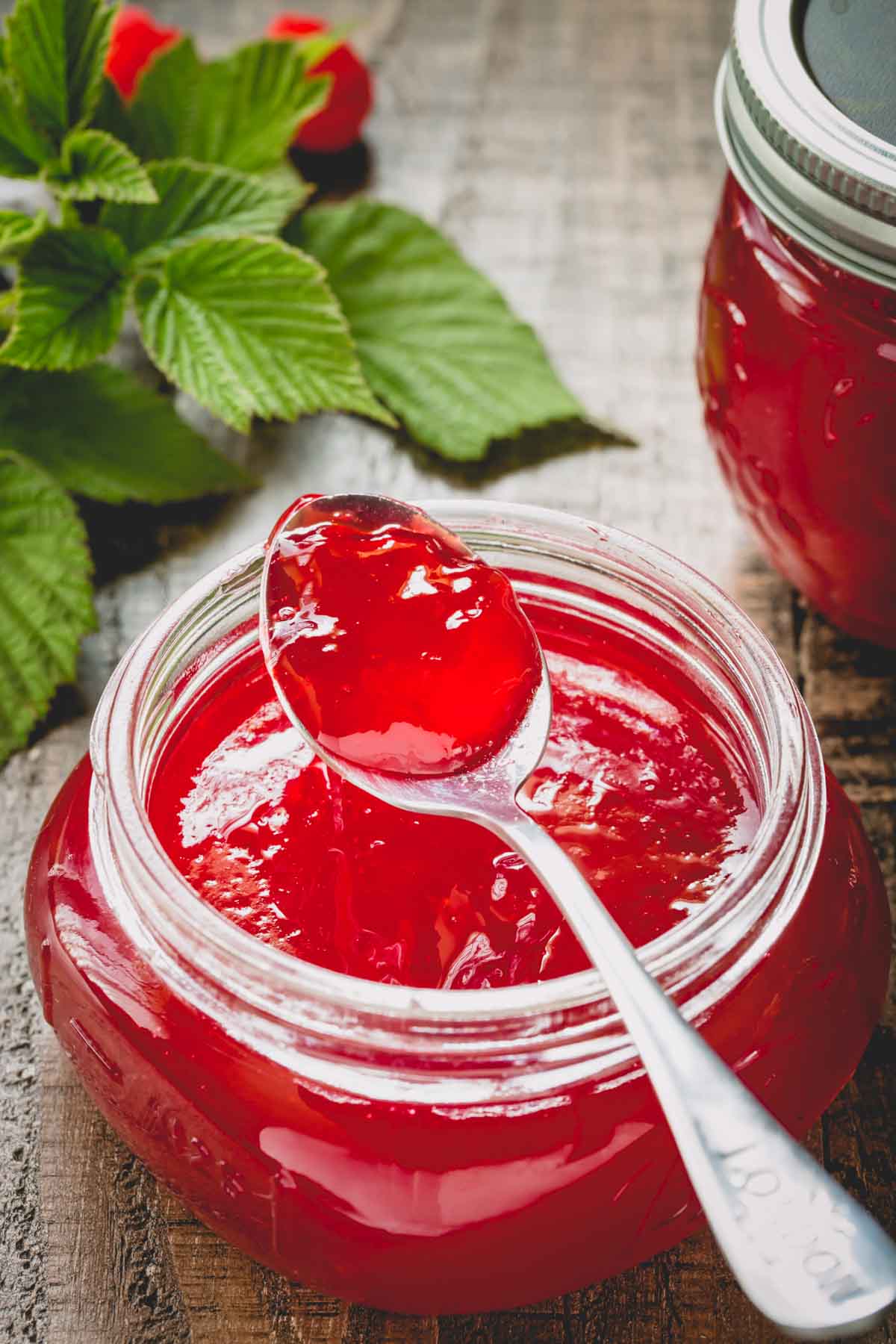
The Best easy jelly recipe
What I love most about this jelly is how versatile it is. You can use whatever fruit is in season, or even frozen berries if that’s what you have on hand. It’s naturally sweetened, so it’s not loaded with sugar, and it’s packed with vitamins from the fruit. Plus, it’s a great way to get the kids involved in the kitchen—my youngest loves helping measure and stir, and it’s a nice little confidence boost for them to see something they helped make turn out so well. It’s one of those recipes that just makes life easier, and that’s always a win in my book.
Easy Homemade Strawberry Jelly
A simple and delicious strawberry jelly recipe that requires minimal effort. Perfect for spreading on toast, pairing with peanut butter, or using as a glaze for desserts.
🥘Ingredients
- 2 cups fresh strawberries, hulled and chopped
- 1 cup granulated sugar
- 1 tbsp lemon juice
- 1 packet (1.75 oz) powdered pectin
👨🍳Directions
-
1
In a medium saucepan, combine the chopped strawberries, sugar, and lemon juice. Let the mixture sit for 10 minutes to allow the juices to release. -
2
Place the saucepan over medium heat and bring the mixture to a boil, stirring frequently to dissolve the sugar. -
3
Once boiling, stir in the powdered pectin and continue to boil for 1-2 minutes, stirring constantly to prevent burning. -
4
Remove the saucepan from heat and let the jelly cool slightly. For a smoother texture, blend the mixture using a blender or food processor. -
5
Pour the jelly into clean jelly jars or airtight containers and let it cool to room temperature. Refrigerate for at least 2 hours before serving.
🔧Equipment
- Medium saucepan
- Mixing bowl
- Wooden spoon
- Jelly jars or airtight containers
- Blender or food processor (optional)
📊Nutrition Facts (per serving)
📝Notes
Watch Video Of How Easy Homemade Strawberry Jelly Works
❓ Frequently Asked Questions About Strawberry Jelly
1. Can I use any type of fruit juice for the easy jelly recipe?
Yes, you can use almost any type of fruit juice for this recipe. Popular choices include apple, orange, grape, and cranberry juice. Just make sure the juice is clear or strained if it contains pulp, as chunks can interfere with the jelly setting properly. Avoid juices with added sugars or artificial sweeteners, as they may affect the texture.
2. How long does it take for the jelly to set?
The jelly typically takes about 4 to 6 hours to fully set in the refrigerator. For best results, let it chill overnight if possible. The exact time can vary depending on the size of the container and the temperature of your fridge. If the jelly hasn’t set after 6 hours, you can try adding a bit more gelatin or letting it chill longer.
3. Can I make this jelly without gelatin?
Yes, you can make a gelatin-free version using agar-agar, a plant-based alternative. Substitute the gelatin with agar-agar powder (usually 1 teaspoon of agar-agar per 1 cup of liquid) and follow the package instructions, as the setting process differs slightly. Keep in mind that agar-agar sets firmer and at room temperature, so adjust accordingly.
4. Why did my jelly turn out too soft or runny?
A soft or runny jelly is usually caused by not using enough gelatin or not letting it set long enough. Other reasons could include using too much liquid, not boiling the mixture long enough, or adding ingredients like fresh pineapple or kiwi, which contain enzymes that break down gelatin. To fix it, you can reheat the mixture, add more gelatin, and let it set again.
5. Can I add fresh fruit to the jelly?
Yes, you can add fresh fruit, but it’s best to use small pieces or soft fruits like berries, peaches, or mango. Avoid fruits with high enzyme content (e.g., pineapple, kiwi, papaya, or figs) unless they’re cooked first, as the enzymes can prevent the jelly from setting. For best results, add the fruit after the jelly has slightly thickened but before it fully sets.