
sourdough discard bread recipe

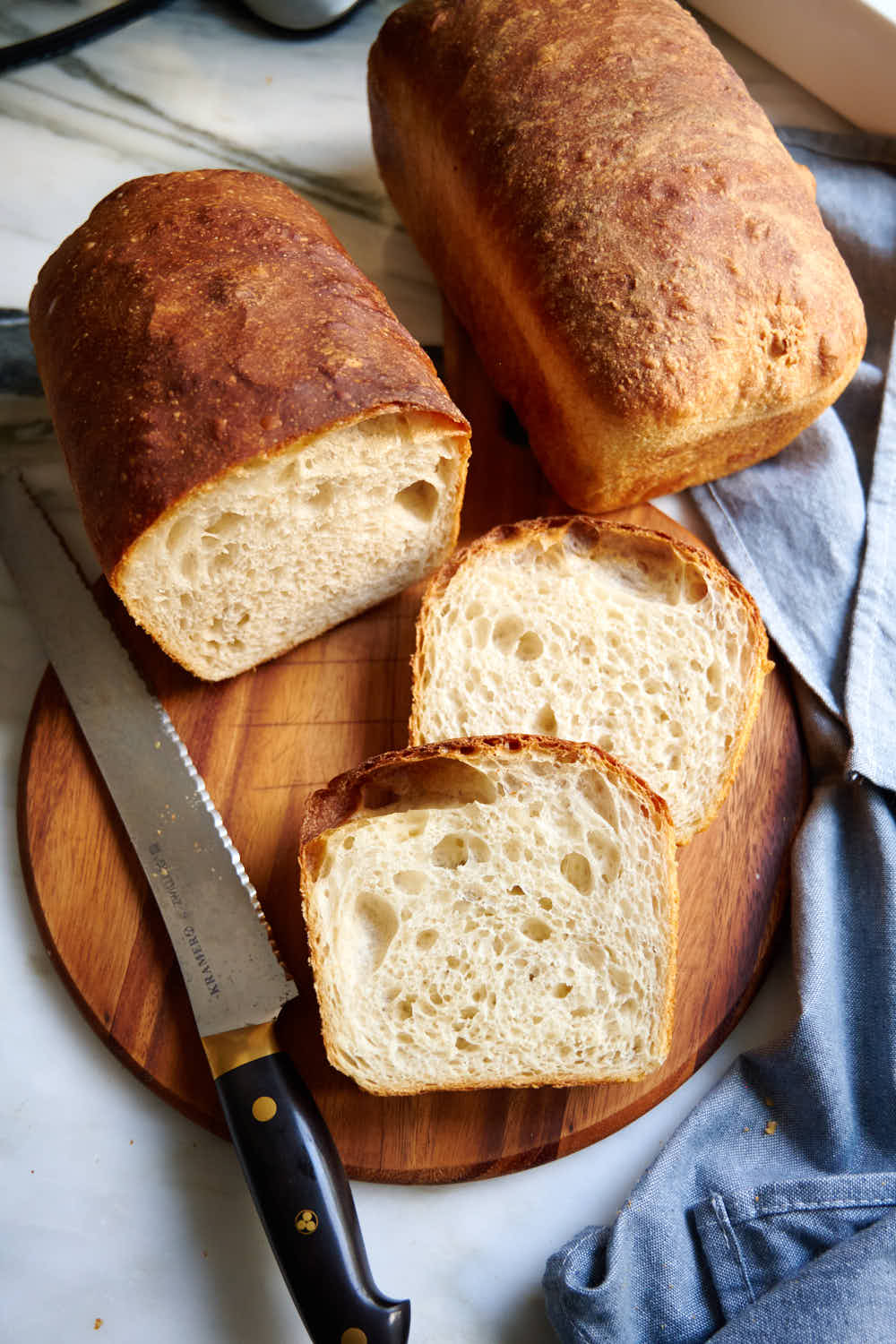
The Best sourdough discard bread recipe
What I love most about this recipe is how versatile it is. You can mix it up in the morning and have fresh bread by dinnertime, or even let it rise overnight in the fridge for a slower ferment. The discard adds depth of flavor without needing a perfectly active starter, which makes it ideal for busy weeks when I don’t have time to babysit my dough. Plus, sourdough is easier to digest than commercial bread, thanks to the natural fermentation process that breaks down some of the gluten and phytic acid. It’s a win-win—great taste, less waste, and a little extra nutrition packed into every slice. If you’ve been hesitant to try baking with discard, this is the recipe to start with. It’s foolproof, delicious, and always a hit.
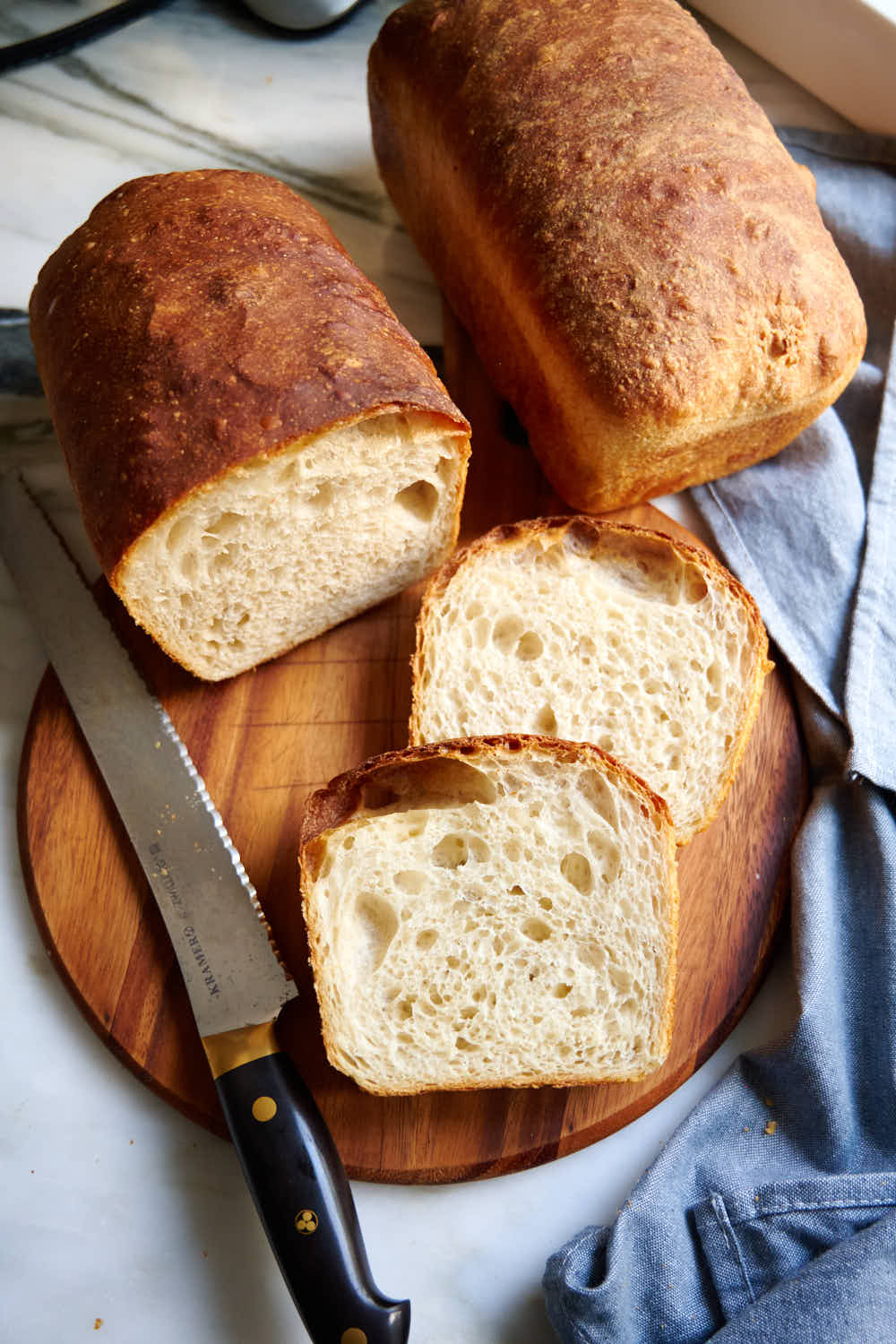
Sourdough Discard Bread
A simple and flavorful bread made with sourdough discard, perfect for using up your starter. This no-knead recipe yields a crusty loaf with a soft, tangy interior.
🥘Ingredients
- 1 cup (240g) active sourdough discard (100% hydration)
- 3 cups (360g) all-purpose flour or bread flour
- 1 1/4 cups (300ml) warm water
- 1 1/2 tsp salt
- 1 tsp sugar (optional, to feed the discard)
- Extra flour for shaping
👨🍳Directions
-
1
In a large mixing bowl, combine the sourdough discard, warm water, and sugar (if using). Mix well to dissolve the discard. -
2
Add the flour and salt to the bowl. Mix with a wooden spoon or your hands until a shaggy dough forms. Avoid overmixing. -
3
Cover the bowl with a kitchen towel or plastic wrap and let the dough rest at room temperature for 30 minutes. -
4
After resting, perform a series of stretch-and-folds: Wet your hands, grab one side of the dough, stretch it upward, and fold it over itself. Rotate the bowl and repeat 3-4 times. Cover and let rest for another 30 minutes. -
5
Repeat the stretch-and-fold process 2 more times, resting 30 minutes between each session. The dough should become smoother and more elastic. -
6
After the final fold, cover the bowl and let the dough rise at room temperature for 1-2 hours, or until it has doubled in size. Alternatively, refrigerate overnight for a slower rise and more flavor. -
7
Preheat your oven to 450°F (230°C). If using a Dutch oven, place it in the oven to preheat as well. -
8
Turn the dough onto a lightly floured surface and shape it into a round loaf (boule) or oval loaf (batard). Place the dough on a piece of parchment paper. -
9
Using a sharp knife or lame, make a shallow slash (about 1/2 inch deep) on the top of the loaf to allow for expansion during baking. -
10
If using a Dutch oven, carefully transfer the dough (with parchment) into the hot pot. Cover with the lid and bake for 20 minutes. Remove the lid and bake for another 20-25 minutes, or until the bread is golden brown and sounds hollow when tapped. -
11
If using a baking sheet, place the parchment with the dough on the sheet and bake for 30-35 minutes, or until golden brown. -
12
Let the bread cool on a wire rack for at least 1 hour before slicing to allow the crumb to set.
🔧Equipment
- Large mixing bowl
- Dutch oven or baking sheet
- Parchment paper
- Kitchen towel
- Sharp knife or lame
📊Nutrition Facts (per serving)
📝Notes
Watch Video Of How Sourdough Discard Bread Works
❓ Frequently Asked Questions About Sourdough Discard Bread
1. Can I use sourdough discard straight from the fridge, or does it need to be at room temperature?
Yes, you can use discard straight from the fridge, but letting it warm up for 30–60 minutes at room temperature can improve its activity and make mixing easier. If your discard is very cold, it may slow down fermentation slightly, so you might need to extend the bulk fermentation time by 30 minutes to an hour.
2. How do I know when my sourdough discard bread is fully proofed?
A fully proofed discard bread should look puffy, slightly jiggly, and have visible bubbles on the surface. You can also perform the “poke test”: gently press a finger into the dough—if it springs back slowly but leaves a slight indentation, it’s ready. If it springs back quickly, it needs more time. Overproofed dough will feel slack and may not hold its shape.
3. Why is my discard bread dense instead of light and airy?
Dense discard bread can result from several factors:
– Underproofing or overproofing: Dough needs enough time to rise but not so much that it collapses.
– Weak starter/discard: If your discard isn’t active enough, it won’t create enough gas for a good rise. Try feeding your starter more frequently or using a higher ratio of discard to flour.
– Too much flour: Over-measuring flour can make the dough stiff. Use a scale for accuracy.
– Insufficient kneading or folding: Proper gluten development is key for structure. Ensure you’re doing stretch-and-folds during bulk fermentation.
4. Can I add mix-ins like seeds, nuts, or dried fruit to discard bread?
Absolutely! Mix-ins can add flavor and texture, but there are a few tips to follow:
– Add them during the lamination or coil fold stage (after the first 30–60 minutes of bulk fermentation) to avoid interfering with gluten development.
– Keep the total weight of mix-ins under 20% of the dough’s flour weight to avoid weighing down the dough.
– Toast nuts or seeds lightly before adding to enhance flavor.
– Soak dried fruit in warm water for 10–15 minutes to prevent it from absorbing too much moisture from the dough.
5. How long can I store sourdough discard, and how do I know if it’s still good to use?
Sourdough discard can be stored in the fridge for 1–2 weeks in a sealed container. To check if it’s still usable:
– Smell: It should have a tangy, slightly sour aroma. If it smells off, moldy, or like alcohol (a sign of over-fermentation), discard it.
– Appearance: Look for hooch (a grayish liquid) on top. You can stir it back in or pour it off—it’s a sign the discard is hungry but not necessarily bad.
– Activity test: Mix a small amount of discard with equal parts flour and water. If it bubbles within 4–8 hours, it’s still active enough for baking. If not, it may need a few feedings to revive.