
sourdough discard bagel recipe

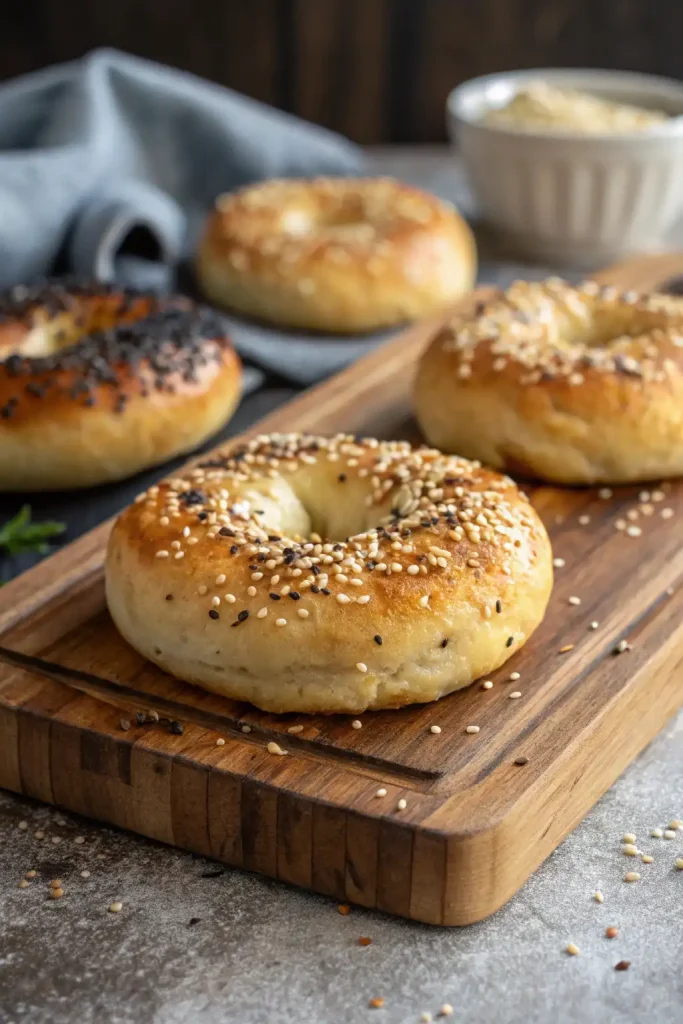
The Best sourdough discard bagel recipe
What I love most about these bagels is how versatile they are. You can keep it simple with just sesame seeds or get creative with everything bagel seasoning, garlic powder, or even a sprinkle of flaky salt. They’re sturdy enough to hold up to thick spreads like cream cheese or peanut butter, but they’re also great plain with just a little butter. And since they’re made with sourdough discard, they’ve got that natural fermentation benefit—easier digestion, better nutrient absorption, and a lower glycemic impact than store-bought bagels. Plus, they freeze beautifully, so I always make a double batch.
This recipe has become a weekend staple in our house, but it’s just as good for a quick weekday breakfast. The best part? You don’t need any special equipment—just a pot of boiling water and a baking sheet. If you’ve got a jar of sourdough starter sitting in your fridge, this is the perfect way to put it to use. Trust me, once you try these, you’ll never let your discard go to waste again.

Sourdough Discard Bagels
Chewy, flavorful bagels made with sourdough discard for a tangy twist. Perfect for breakfast or a hearty snack, these bagels are boiled and baked to golden perfection.
🥘Ingredients
- 1 cup (240g) active sourdough discard (100% hydration)
- 2 cups (250g) bread flour (plus extra for dusting)
- 1 tbsp (12g) granulated sugar
- 1 tsp (5g) salt
- 1 tbsp (14g) unsalted butter, softened (optional)
- 1/2 cup (120ml) warm water (as needed)
- 8 cups (1.9L) water
- 2 tbsp (25g) granulated sugar or honey
- 1 tbsp (15ml) baking soda (optional, for shine)
- Sesame seeds, poppy seeds, everything bagel seasoning, or coarse salt
👨🍳Directions
-
1
In a large mixing bowl or stand mixer, combine the sourdough discard, bread flour, sugar, and salt. Mix until crumbly. -
2
Add the softened butter (if using) and warm water, 1 tablespoon at a time, until a shaggy dough forms. The dough should be slightly sticky but not wet. -
3
Knead the dough by hand for 8-10 minutes or in a stand mixer with a dough hook for 5-7 minutes until smooth and elastic. The dough should pass the windowpane test (stretch thin without tearing). -
4
Shape the dough into a ball, place it in a lightly oiled bowl, cover with a damp towel or plastic wrap, and let it rest at room temperature for 1-2 hours or until slightly puffy. -
5
Divide the dough into 6 equal pieces (about 90g each). Shape each piece into a ball, then poke a hole in the center with your thumb and stretch gently into a bagel shape. Place on a parchment-lined baking sheet. -
6
Cover the bagels with a damp towel and let them proof for 30-60 minutes until slightly puffed. Meanwhile, preheat the oven to 425°F (220°C). -
7
Bring the water, sugar, and baking soda (if using) to a boil in a large pot. Boil each bagel for 30-60 seconds per side, then remove with a slotted spoon and place back on the baking sheet. -
8
Sprinkle the bagels with your desired toppings (if using) and press lightly to adhere. -
9
Bake for 20-25 minutes or until golden brown. Let cool on a wire rack for at least 15 minutes before slicing.
🔧Equipment
- Mixing bowl
- Stand mixer with dough hook (or wooden spoon)
- Clean kitchen towel or plastic wrap
- Large pot
- Slotted spoon or spider
- Baking sheet
- Parchment paper
- Oven
📊Nutrition Facts (per serving)
📝Notes
Watch Video Of How Sourdough Discard Bagels Works
❓ Frequently Asked Questions About Sourdough Discard Bagels
1. Can I use fresh sourdough starter instead of discard for this bagel recipe?
Yes, you can use an active, fed sourdough starter instead of discard, but you may need to adjust the hydration slightly since fresh starter is often more liquid. If your starter is very bubbly and active, reduce the water by 1-2 tablespoons to maintain the dough’s consistency. Keep in mind that fresh starter will ferment the dough faster, so monitor the rise time closely to avoid overproofing.
2. Why do my sourdough discard bagels turn out dense instead of chewy?
Dense bagels can result from several factors: underproofing, overproofing, insufficient gluten development, or not boiling the bagels long enough. Ensure your dough passes the “float test” (a small piece should float in water) before shaping. Knead the dough well—either by hand or with a mixer—to develop gluten. Boil the bagels for at least 1-2 minutes per side to set the crust and create that signature chew.
3. Do I have to boil the bagels, or can I bake them without boiling?
Boiling is essential for authentic bagel texture—it gelatinizes the starches on the surface, giving bagels their shiny crust and chewy interior. Skipping this step will result in bread-like rolls rather than true bagels. If you’re short on time, you can reduce the boil to 30-45 seconds per side, but don’t skip it entirely.
4. How long can I store sourdough discard bagels, and what’s the best way to reheat them?
Fresh bagels are best eaten within 2 days. Store them at room temperature in a paper bag or wrapped in a clean kitchen towel to maintain crustiness. For longer storage, freeze them in a sealed bag for up to 3 months. To reheat, toast them directly from frozen or warm them in a 350°F (175°C) oven for 5-10 minutes. Avoid microwaving, as it can make them rubbery.
5. Can I add mix-ins like seeds, cheese, or dried fruit to the bagel dough?
Absolutely! Fold in mix-ins (about ½ to ¾ cup total) during the last few minutes of kneading to avoid overworking the dough. Popular additions include sesame seeds, poppy seeds, everything bagel seasoning, shredded cheddar, or cinnamon and raisins. If using wet ingredients (like fresh fruit), pat them dry first to prevent excess moisture from throwing off the dough’s hydration.