
flounder healthy recipe

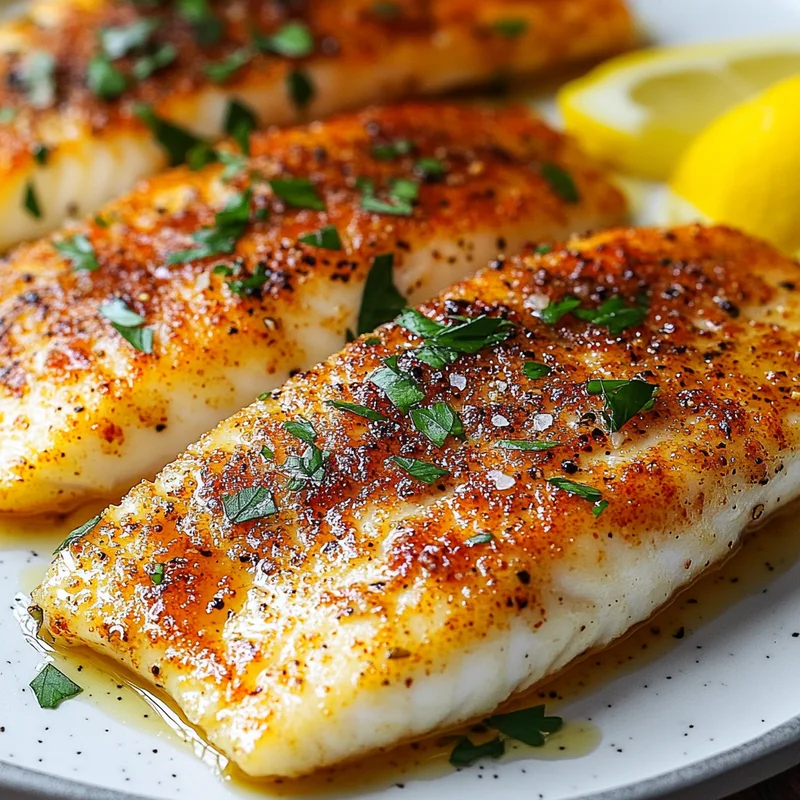
- The Best flounder healthy recipe
- Lemon Garlic Baked Flounder with Quinoa & Asparagus
- 🥘Ingredients
- 👨🍳Directions
- 🔧Equipment
- 📊Nutrition Facts (per serving)
- 📝Notes
- Watch Video Of How Lemon Garlic Baked Flounder with Quinoa & Asparagus Works
- ❓ Frequently Asked Questions About Lemon Garlic Baked Flounder with Quinoa & Asparagus
The Best flounder healthy recipe
What I love most about this recipe is how versatile it is. It works just as well for a simple weeknight dinner as it does for a casual weekend lunch with friends. The flounder cooks in minutes, so it’s perfect for those nights when I’m running late but still want to put something nutritious on the table. Plus, it’s packed with lean protein and omega-3s, which I know are great for keeping everyone’s energy up and brains sharp—especially during the school year. The flavors are mild enough that even my pickiest eater doesn’t complain, but it still has enough going on that it doesn’t feel boring. Honestly, it’s become a staple in our house, and I’m always happy to make it because I know it’s good for us and they’ll actually eat it.
Lemon Garlic Baked Flounder with Quinoa & Asparagus
A light and nutritious flounder recipe featuring zesty lemon, aromatic garlic, and tender asparagus. Paired with protein-rich quinoa, this dish is perfect for a healthy weeknight dinner.
🥘Ingredients
- 4 flounder fillets (6 oz each)
- 2 tbsp olive oil
- 3 cloves garlic, minced
- 1 lemon (zested and juiced)
- 1 tsp dried oregano
- ½ tsp salt
- ¼ tsp black pepper
- 2 tbsp fresh parsley, chopped
- 1 cup quinoa, rinsed
- 2 cups low-sodium vegetable broth
- 1 tbsp lemon juice
- 1 tsp olive oil
- 1 bunch asparagus (about 1 lb), trimmed
- 1 tbsp olive oil
- ¼ tsp salt
- ¼ tsp black pepper
👨🍳Directions
-
1
Preheat the oven to 400°F (200°C) and line a baking sheet with parchment paper. -
2
In a small bowl, whisk together olive oil, minced garlic, lemon zest, lemon juice, oregano, salt, and black pepper. Set aside. -
3
Place flounder fillets on the prepared baking sheet. Brush the lemon-garlic mixture evenly over each fillet. Sprinkle with chopped parsley. -
4
In a saucepan, bring vegetable broth to a boil. Add quinoa, reduce heat to low, cover, and simmer for 15 minutes or until liquid is absorbed. Stir in lemon juice and olive oil. -
5
Toss asparagus with olive oil, salt, and pepper. Arrange on the baking sheet alongside the flounder. -
6
Bake for 12-15 minutes, or until the flounder flakes easily with a fork and the asparagus is tender. -
7
Divide quinoa among plates, top with flounder fillets, and serve with roasted asparagus. Garnish with additional lemon wedges if desired.
🔧Equipment
- Baking sheet
- Mixing bowl
- Saucepan with lid
- Chef’s knife
- Cutting board
- Measuring cups and spoons
📊Nutrition Facts (per serving)
📝Notes
Watch Video Of How Lemon Garlic Baked Flounder with Quinoa & Asparagus Works
❓ Frequently Asked Questions About Lemon Garlic Baked Flounder with Quinoa & Asparagus
1. What makes flounder a healthy choice for a recipe?
Flounder is a lean, white fish that’s low in calories and fat but high in protein, making it an excellent choice for a healthy diet. It’s also rich in essential nutrients like omega-3 fatty acids (which support heart and brain health), vitamin B12, selenium, and phosphorus. Since flounder is mild in flavor, it absorbs seasonings well without needing heavy sauces or frying, keeping the dish light and nutritious.
2. How can I ensure my flounder stays moist and doesn’t dry out while cooking?
Flounder cooks quickly and can dry out if overcooked. To keep it moist:
– Don’t overcook: Flounder is done when it reaches an internal temperature of 145°F (63°C) and flakes easily with a fork—usually 8–10 minutes for fillets, depending on thickness.
– Use a marinade or brine: A simple mix of olive oil, lemon juice, and herbs (like 15–30 minutes before cooking) adds moisture.
– Cook with liquid: Bake or poach the flounder in broth, wine, or a light sauce to retain moisture.
– Avoid high heat: Medium heat (for pan-searing) or moderate oven temperatures (375°F/190°C) work best.
3. What are some healthy sides to pair with flounder?
Pair flounder with nutrient-dense sides to create a balanced meal:
– Vegetables: Roasted asparagus, steamed broccoli, sautéed spinach, or a fresh cucumber-tomato salad.
– Whole grains: Quinoa, brown rice, or farro for fiber and protein.
– Healthy fats: Avocado slices, a drizzle of extra-virgin olive oil, or a side of hummus.
– Light carbs: Sweet potato mash or a small portion of whole-grain pasta.
– Fresh herbs: Garnish with parsley, dill, or cilantro for extra flavor without calories.
4. Can I substitute flounder with another fish in this recipe?
Yes! Flounder’s mild, flaky texture makes it easy to substitute with other white fish like:
– Cod (similar texture, slightly firmer)
– Haddock (mild and lean, great for baking)
– Tilapia (budget-friendly, but less flavorful)
– Halibut (firmer and meatier, may need slightly longer cooking)
– Mahi-mahi (slightly sweeter, holds up well to grilling)
Adjust cooking times based on thickness—thicker fillets (like halibut) may need a few extra minutes.
5. How do I store and reheat leftover cooked flounder?
Storage:
– Let the flounder cool to room temperature (no more than 2 hours), then store in an airtight container in the fridge for up to 2 days or freeze for up to 3 months.
Reheating (to avoid drying out):
– Oven: Preheat to 275°F (135°C), place flounder on a baking sheet, cover with foil, and heat for 10–15 minutes until warmed through.
– Microwave: Use the “defrost” or low-power setting, cover with a damp paper towel, and heat in 30-second intervals.
– Stovetop: Gently warm in a skillet with a splash of broth or olive oil over low heat.
Avoid high heat, as it can make the fish rubbery. Leftover flounder works well in tacos, salads, or fish cakes!