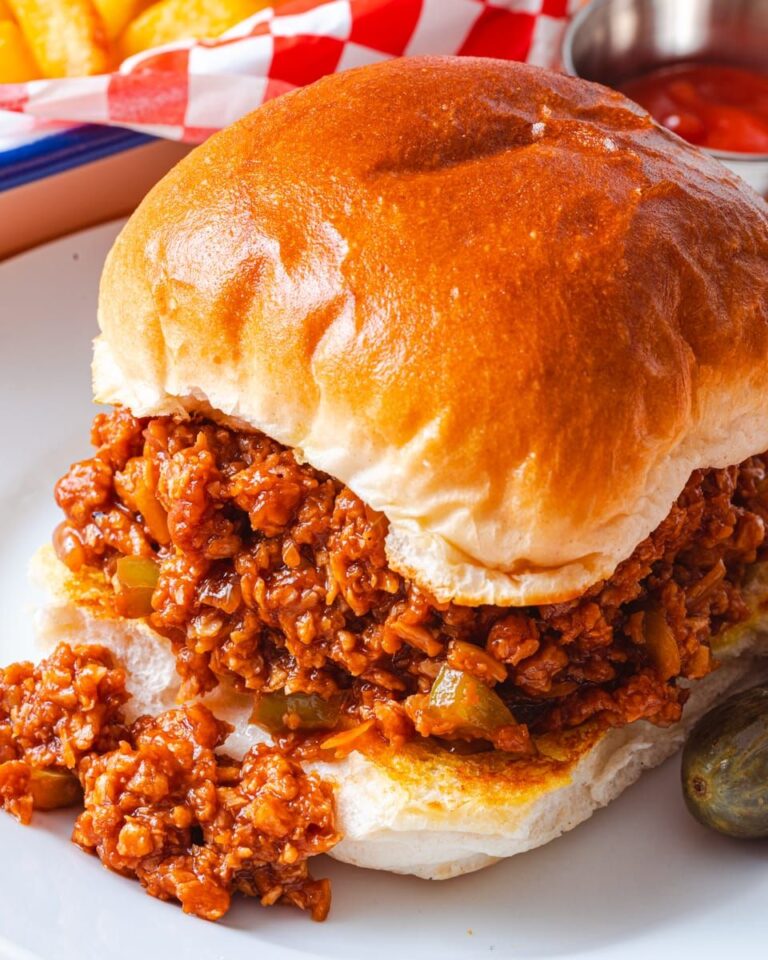
sandwich bun recipe

/homemade-sandwich-buns-for-barbecue-3051828-final-5c2685a446e0fb0001b1c784.jpg)
The Best sandwich bun recipe
What I love most about this recipe is how versatile it is. We use them for quick school lunches, weekend picnics, or even as burger buns when we’re grilling. They’re made with simple ingredients—flour, yeast, a little sugar, and butter—and they come together without any fuss. Plus, I can control what goes into them, so I know there’s no weird preservatives or extra sugar like you find in a lot of store-bought buns. They’re also a great way to get the kids involved in the kitchen; my youngest loves helping shape the dough, and it’s a nice little baking project that doesn’t take all day.
These buns are soft enough for daily use but still hold up well, so they’re perfect for everything from a quick breakfast sandwich to a hearty dinner. They freeze beautifully too, so I always make a double batch and stash half in the freezer for busy days. And because they’re homemade, I can tweak them to be a little healthier—using whole wheat flour or cutting back on the sugar if I want. It’s one of those recipes that just works, no matter how you use it.
Soft Homemade Sandwich Buns
These soft and fluffy sandwich buns are perfect for burgers, sliders, or deli sandwiches. Made with simple ingredients, they rise beautifully and have a tender crumb with a slightly sweet flavor.
🥘Ingredients
- 3 1/2 cups (440g) all-purpose flour, plus more for dusting
- 1/4 cup (50g) granulated sugar
- 1 tsp salt
- 1 packet (2 1/4 tsp) active dry yeast
- 1 cup (240ml) warm milk (110°F)
- 1/4 cup (60ml) warm water (110°F)
- 2 tbsp unsalted butter, melted
- 1 large egg, room temperature
- 1 large egg
- 1 tbsp water
👨🍳Directions
-
1
In a small bowl, dissolve the yeast in warm water with a pinch of sugar. Let it sit for 5 minutes until foamy. -
2
In a large mixing bowl or the bowl of a stand mixer, combine flour, sugar, and salt. -
3
Add the yeast mixture, warm milk, melted butter, and egg to the dry ingredients. Mix until a shaggy dough forms. -
4
Knead the dough on a lightly floured surface (or with a dough hook) for 8-10 minutes until smooth and elastic. The dough should be slightly tacky but not sticky. -
5
Place the dough in a lightly greased bowl, cover with a clean kitchen towel, and let it rise in a warm place for 1-1.5 hours, or until doubled in size. -
6
Punch down the dough to release air, then divide it into 8 equal portions. Shape each portion into a smooth ball and place them on a parchment-lined baking sheet, leaving about 2 inches between each bun. -
7
Cover the buns with a kitchen towel and let them rise for another 30-45 minutes until puffy. -
8
Preheat the oven to 375°F (190°C). -
9
Whisk together the egg and water for the egg wash. Gently brush the tops of the buns with the egg wash. -
10
Bake the buns for 15-18 minutes, or until golden brown. Rotate the baking sheet halfway through for even baking. -
11
Remove the buns from the oven and let them cool on a wire rack for at least 10 minutes before slicing and serving.
🔧Equipment
- Large mixing bowl
- Stand mixer with dough hook (optional)
- Measuring cups and spoons
- Baking sheet
- Parchment paper
- Pastry brush
- Clean kitchen towel
- Oven
📊Nutrition Facts (per serving)
📝Notes
Watch Video Of How Soft Homemade Sandwich Buns Works
❓ Frequently Asked Questions About Soft Sandwich Buns
1. Can I make these sandwich buns ahead of time?
Yes! You can bake the buns up to 2 days ahead. Let them cool completely, then store them in an airtight container at room temperature. For longer storage, freeze the buns for up to 3 months. Reheat in the oven at 350°F (175°C) for 5–10 minutes to refresh their softness.
2. What can I substitute for bread flour if I don’t have any?
All-purpose flour works as a substitute, though the buns may be slightly less chewy. For best results, use 1–2 tablespoons of vital wheat gluten per cup of all-purpose flour to mimic bread flour’s higher protein content.
3. Why did my buns turn out dense instead of fluffy?
Dense buns can result from over-kneading, under-proofing, or using expired yeast. Ensure your yeast is fresh (check the expiration date) and let the dough rise until it’s doubled in size. Avoid adding too much extra flour while kneading.
4. Can I make these buns gluten-free?
Yes, but you’ll need a gluten-free flour blend designed for bread (like King Arthur or Bob’s Red Mill). Add 1 teaspoon of xanthan gum (if not already in the blend) and expect a slightly different texture. Gluten-free dough may also require a longer rise time.
5. How do I get a shiny, golden crust on my buns?
Brush the buns with an egg wash (1 egg + 1 tablespoon water) before baking. For a vegan option, use melted butter or a mix of plant-based milk and maple syrup. Bake at the correct temperature (usually 375–400°F/190–200°C) for even browning.