
french cookies recipe

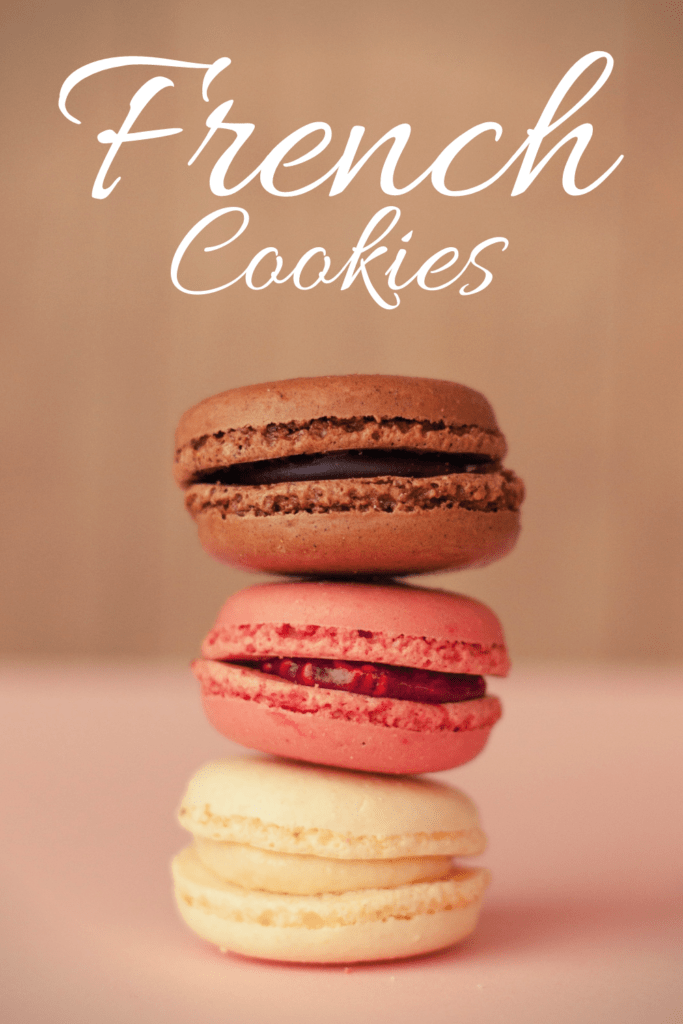
The Best french cookies recipe
What I love most about this recipe is how versatile it is. You can dress them up with a dusting of powdered sugar, dip them in chocolate, or keep them plain for a light, everyday treat. They’re also a great option if you’re watching your sugar intake since they don’t require much to taste delicious. Plus, the ingredients are basic pantry staples, so you don’t have to run to the store for anything fancy. My family has been making these for generations, and I’m happy to pass them down to my own kids now. They’re the kind of cookie that feels special without being complicated.
Classic French Sablés Cookies
These buttery, crumbly French sablés cookies are a classic treat with a delicate texture and rich flavor. Perfect for pairing with tea or coffee, they are simple to make yet elegant enough for special occasions.
🥘Ingredients
- 1 cup (225g) unsalted butter, softened
- 1/2 cup (100g) granulated sugar
- 1 large egg yolk
- 1 tsp vanilla extract
- 2 cups (250g) all-purpose flour
- 1/4 tsp salt
- 1/4 cup (50g) granulated sugar (for rolling)
- 1 tsp cinnamon (optional, for spiced variation)
👨🍳Directions
-
1
In a large mixing bowl, cream the softened butter and sugar together until light and fluffy using an electric mixer or whisk. -
2
Add the egg yolk and vanilla extract, mixing until fully combined. -
3
In a separate bowl, whisk together the flour and salt. Gradually add the dry ingredients to the butter mixture, mixing just until a dough forms. -
4
Divide the dough into two portions, flatten into discs, and wrap in plastic wrap. Chill in the refrigerator for at least 30 minutes (or up to 24 hours). -
5
Preheat the oven to 350°F (175°C) and line a baking sheet with parchment paper. -
6
On a lightly floured surface, roll out one disc of dough to about 1/4-inch thickness. Use cookie cutters or a knife to cut into desired shapes. -
7
If coating, mix sugar and cinnamon (if using) in a small bowl, then gently press each cookie into the mixture before placing on the baking sheet. -
8
Bake for 10-12 minutes, or until the edges are lightly golden. Allow cookies to cool on the baking sheet for 5 minutes before transferring to a cooling rack. -
9
Repeat with the remaining dough. Store in an airtight container for up to 1 week.
🔧Equipment
- Mixing bowl
- Electric mixer or whisk
- Rolling pin
- Cookie cutters or knife
- Baking sheet
- Parchment paper
- Cooling rack
📊Nutrition Facts (per serving)
📝Notes
Watch Video Of How Classic French Sablés Cookies Works
❓ Frequently Asked Questions About French Sablés Cookies
1. What are the essential ingredients for classic French cookies like sablés or madeleines?
Classic French cookies like sablés and madeleines require simple but high-quality ingredients. For sablés, you’ll need all-purpose flour, unsalted butter (preferably European-style for richness), powdered sugar, egg yolks, vanilla extract, and a pinch of salt. Some variations include almond flour or citrus zest. Madeleines typically use all-purpose flour, granulated sugar, eggs, melted butter, baking powder, and lemon zest or vanilla for flavor. The key is using room-temperature ingredients and not overmixing the dough to maintain a tender texture.
—
2. Why do my French cookies turn out too hard or dry?
French cookies can become hard or dry due to a few common mistakes:
– Overbaking: Even a minute too long in the oven can dry them out. French cookies should be lightly golden, not browned.
– Overmixing the dough: This develops gluten, making cookies tough. Mix just until the ingredients come together.
– Incorrect butter temperature: Butter that’s too warm can make the dough spread too much, while cold butter can lead to a dense texture. Aim for softened but not melted butter.
– Too much flour: Weighing ingredients (especially flour) ensures accuracy. Scooping flour directly from the bag can add excess.
– Old baking powder/soda: If your leavening agent is expired, cookies won’t rise properly and may taste flat.
—
3. Can I make French cookie dough ahead of time?
Yes! Most French cookie doughs can be made ahead and refrigerated or frozen for convenience:
– Sablé dough: Wrap tightly in plastic and refrigerate for up to 3 days or freeze for 1 month. Let it soften slightly at room temperature before rolling.
– Madeleine batter: Cover and refrigerate for 2–24 hours (this resting step is crucial for the signature “hump” during baking).
– Macaron shells: Pipe and rest the shells for 30–60 minutes before baking, or freeze unbaked shells for up to 1 month (thaw before baking).
Always store dough in airtight containers to prevent drying or absorbing odors.
—
4. How do I get the perfect “hump” on madeleines?
The iconic hump on madeleines comes from a combination of technique and ingredients:
– Rest the batter: Chill the batter for at least 2 hours (overnight is ideal) to relax the gluten and allow flavors to develop.
– Use a hot oven: Preheat your oven to 400°F (200°C) and bake on the middle rack. The high heat creates steam, which helps the hump form.
– Butter and flour the pan well: Generously grease the madeleine molds with melted butter, then dust with flour to prevent sticking and encourage rising.
– Fill molds correctly: Fill each mold ¾ full—overfilling can prevent the hump from forming.
– Bake immediately: Once the batter is in the pan, bake right away to capture the steam effect.
—
5. What’s the best way to store French cookies to keep them fresh?
Proper storage preserves the texture and flavor of French cookies:
– Short-term (1–3 days): Store in an airtight container at room temperature, layered with parchment paper to prevent sticking. Avoid humid environments.
– Long-term (up to 2 weeks): Freeze baked cookies in a single layer, then transfer to a freezer bag. Thaw at room temperature before serving.
– For crisp cookies (like sablés): Add a slice of bread to the container to absorb excess moisture and keep them crisp.
– For soft cookies (like macarons): Store in the fridge in an airtight container with a small piece of apple or a damp paper towel to maintain moisture.
– Avoid refrigeration for buttery cookies: Cold temperatures can make them taste stale. Room temperature is best unless the recipe specifies otherwise.