
oatmeal flour recipe

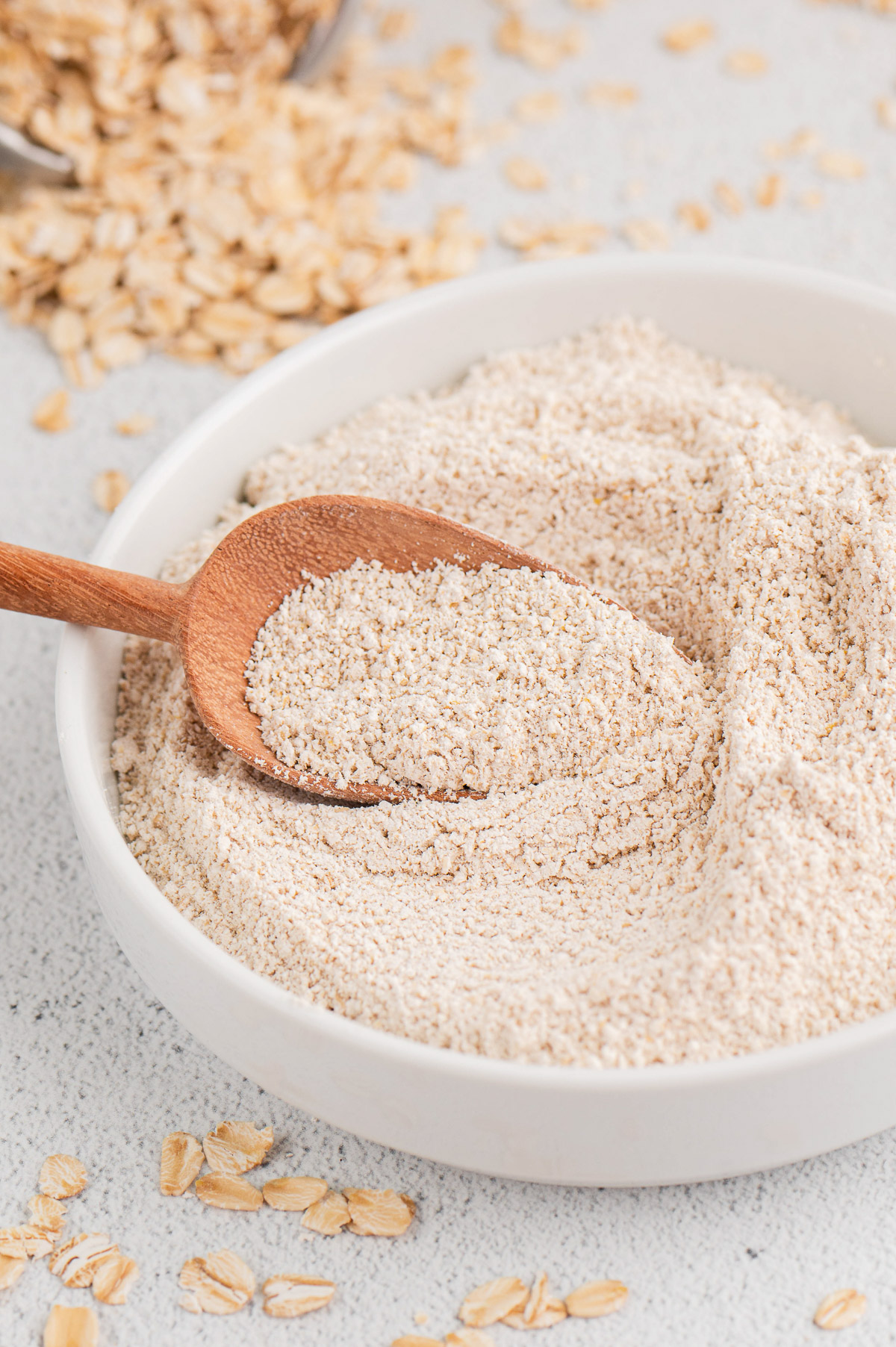
The Best oatmeal flour recipe
What I love most about oatmeal flour is how it keeps things light and moist without needing a ton of extra fat or sugar. It’s packed with fiber, which keeps everyone full longer, and it’s naturally gluten-free if you use certified gluten-free oats. My oldest son, who’s always in a rush before school, will grab a muffin made with oat flour and call it breakfast—no complaints, no fuss. It’s perfect for busy mornings, weekend baking sessions, or even as a quick snack when the kids come home starving after sports practice.
I also appreciate that it’s so easy to make at home. Just toss rolled oats into a blender or food processor, pulse until fine, and you’ve got fresh oat flour in under a minute. No store-bought specialty flours, no weird additives—just pure, simple oats. It’s a small change that makes a big difference in how we eat, and honestly, I don’t think I’ll ever go back to using only all-purpose flour again.

Homemade Oatmeal Flour Recipe
A simple and nutritious recipe for making your own oatmeal flour at home. Perfect for gluten-free baking, pancakes, or thickening soups and sauces.
🥘Ingredients
- 2 cups rolled oats (old-fashioned or quick oats, not steel-cut)
👨🍳Directions
-
1
Measure out 2 cups of rolled oats and add them to a blender or food processor. -
2
Blend the oats on high speed for about 20-30 seconds, or until they reach a fine, powdery consistency. Stop and shake the blender occasionally to ensure even grinding. -
3
For an ultra-fine flour, sift the blended oats through a fine-mesh sieve to remove any larger pieces. Re-blend the larger pieces if needed. -
4
Store the oatmeal flour in an air-tight container at room temperature for up to 3 months, or in the freezer for up to 6 months.
🔧Equipment
- Blender or food processor
- Fine-mesh sieve (optional, for finer flour)
- Air-tight storage container
📊Nutrition Facts (per serving)
📝Notes
Watch Video Of How Homemade Oatmeal Flour Recipe Works
❓ Frequently Asked Questions About Oatmeal Flour
1. Can I make oatmeal flour at home without a high-speed blender?
Yes! While a high-speed blender works best for a fine, smooth flour, you can still make oatmeal flour with a regular blender, food processor, or even a coffee grinder. Pulse the oats in small batches to avoid overloading the appliance, and sift the flour afterward to remove any larger pieces. For a coarser texture, you can skip sifting.
2. How long does homemade oatmeal flour last, and how should I store it?
Homemade oatmeal flour typically lasts 1–3 months when stored properly. Keep it in an airtight container in a cool, dark place (like a pantry) to prevent moisture and pests. For longer storage (up to 6 months), refrigerate or freeze it. Always check for rancidity (a sour or off smell) before using.
3. Can I substitute oatmeal flour 1:1 for all-purpose flour in recipes?
Oatmeal flour behaves differently than all-purpose flour because it lacks gluten and absorbs more liquid. For best results, start by replacing up to 25–30% of all-purpose flour with oatmeal flour in recipes like pancakes, muffins, or cookies. For gluten-free baking, use a blend of oat flour with other GF flours (like almond or rice flour) and add xanthan gum for structure.
4. Is oatmeal flour gluten-free?
Oats are naturally gluten-free, but they’re often processed in facilities that handle wheat, leading to cross-contamination. If you have celiac disease or gluten sensitivity, look for certified gluten-free oats to make your flour. Always check the label to ensure the oats haven’t been contaminated during processing.
5. What’s the best way to grind oats into flour without clumping?
To prevent clumping, grind oats in small batches (about 1 cup at a time) and pulse the blender or food processor instead of running it continuously. Let the appliance rest for a few seconds between pulses to avoid overheating. If clumps form, sift the flour and re-grind the larger pieces. For extra-fine flour, blend longer or use a high-speed blender.