
pcos friendly recipe

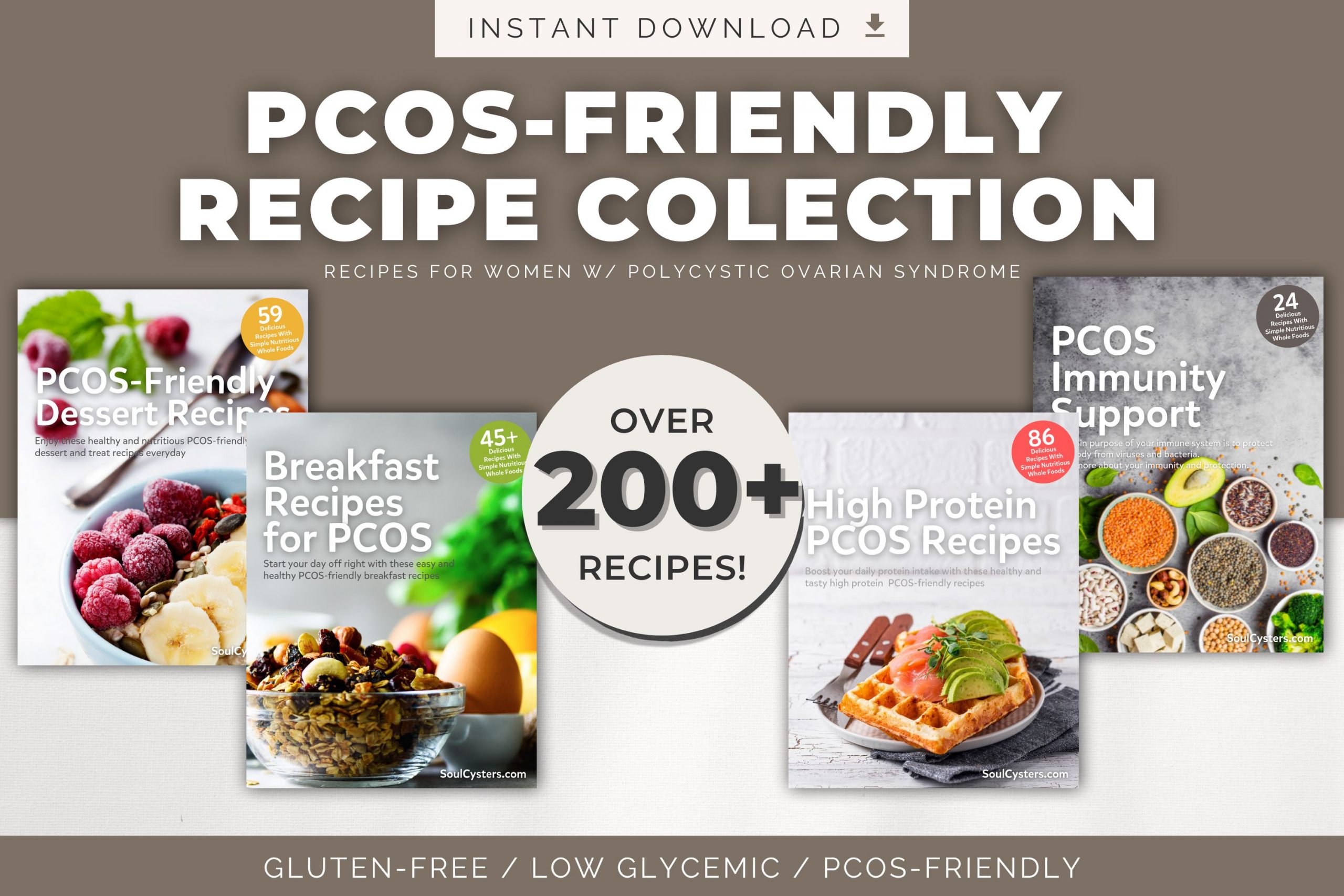
The Best pcos friendly recipe
What I love most is how adaptable it is. You can swap ingredients based on what’s in season or what you have on hand, and it still turns out great. The flavors are mild enough that even picky eaters don’t complain, but there’s enough depth that adults enjoy it too. Plus, it reheats well, so leftovers are never an issue—something I appreciate when I’m juggling work, school runs, and everything in between. The best part? It’s one of those rare recipes that actually makes me feel better after eating it, not sluggish or bloated. If you’re looking for a go-to meal that supports hormone balance without sacrificing taste, this is it.

PCOS-Friendly Quinoa & Roasted Veggie Bowl
A nutrient-dense, low-glycemic bowl packed with fiber, healthy fats, and plant-based protein to support hormone balance and blood sugar regulation. Perfect for managing PCOS symptoms while keeping meals flavorful and satisfying.
🥘Ingredients
- 1 medium zucchini, diced
- 1 red bell pepper, chopped
- 1 cup broccoli florets
- 1 small red onion, sliced
- 1 tbsp olive oil
- ½ tsp sea salt
- ½ tsp black pepper
- 1 tsp dried oregano
- 1 cup quinoa, rinsed
- 2 cups low-sodium vegetable broth
- 1 tsp turmeric (optional, for anti-inflammatory benefits)
- 1 can (15 oz) chickpeas, drained and rinsed
- 1 tbsp avocado oil
- 1 tsp smoked paprika
- ½ tsp cumin
- ½ cup crumbled feta (optional, omit for dairy-free)
- ¼ cup pumpkin seeds
- 2 cups baby spinach
- ¼ cup fresh parsley, chopped
- 3 tbsp extra-virgin olive oil
- 1 tbsp apple cider vinegar
- 1 tsp Dijon mustard
- 1 tsp raw honey or maple syrup
- 1 clove garlic, minced
- Salt and pepper to taste
👨🍳Directions
-
1
Preheat the oven to 400°F (200°C). Line a baking sheet with parchment paper. -
2
In a large bowl, toss the zucchini, bell pepper, broccoli, and red onion with olive oil, salt, pepper, and oregano. Spread evenly on the baking sheet. -
3
In the same bowl, toss chickpeas with avocado oil, smoked paprika, and cumin. Spread them on a separate section of the baking sheet. -
4
Roast the vegetables and chickpeas for 20-25 minutes, stirring halfway, until tender and slightly crispy. -
5
While the vegetables roast, cook the quinoa. In a medium saucepan, combine quinoa, vegetable broth, and turmeric. Bring to a boil, then reduce heat to low, cover, and simmer for 15 minutes. Remove from heat and let sit, covered, for 5 minutes. Fluff with a fork. -
6
In a small bowl, whisk together all dressing ingredients until well combined. -
7
To assemble the bowls, divide baby spinach among four plates or bowls. Top with cooked quinoa, roasted vegetables, and chickpeas. Sprinkle with feta (if using), pumpkin seeds, and fresh parsley. -
8
Drizzle each bowl with the dressing and serve immediately.
🔧Equipment
- Large mixing bowl
- Baking sheet
- Medium saucepan with lid
- Small bowl (for dressing)
- Measuring cups and spoons
- Knife and cutting board
📊Nutrition Facts (per serving)
📝Notes
– For extra protein, add grilled chicken or tofu.
– Store leftovers in an airtight container for up to 3 days.
– Swap quinoa for cauliflower rice to reduce carbs further.
– Use tahini instead of honey in the dressing for a vegan option.
– This bowl is rich in magnesium, fiber, and omega-3s, which help reduce insulin resistance and inflammation associated with PCOS.
Watch Video Of How PCOS-Friendly Quinoa & Roasted Veggie Bowl Works
❓ Frequently Asked Questions About PCOS-Friendly Quinoa & Roasted Veggie Bowl
1. What makes a recipe “PCOS-friendly”?
A PCOS-friendly recipe is designed to support hormonal balance, blood sugar regulation, and overall metabolic health—key concerns for those with Polycystic Ovary Syndrome (PCOS). These recipes typically include:
– Low-glycemic ingredients (e.g., whole grains, legumes, non-starchy vegetables) to prevent insulin spikes.
– Healthy fats (e.g., avocados, nuts, olive oil) to reduce inflammation and support hormone production.
– High-fiber foods (e.g., chia seeds, flaxseeds, leafy greens) to aid digestion and stabilize blood sugar.
– Lean proteins (e.g., chicken, fish, tofu) to promote satiety and muscle health.
– Anti-inflammatory spices (e.g., turmeric, cinnamon, ginger) to combat chronic inflammation linked to PCOS.
2. Can PCOS-friendly recipes help with weight management?
Yes! Many women with PCOS struggle with weight management due to insulin resistance and hormonal imbalances. PCOS-friendly recipes can support weight loss or maintenance by:
– Reducing cravings through balanced macronutrients (protein, fiber, and healthy fats).
– Stabilizing blood sugar to prevent energy crashes and overeating.
– Boosting metabolism with nutrient-dense, whole foods that require more energy to digest.
– Promoting fullness with high-volume, low-calorie ingredients like vegetables and lean proteins.
However, individual results vary, and combining these recipes with regular movement and stress management is key.
3. Are PCOS-friendly recipes suitable for vegetarians or vegans?
Absolutely! Many PCOS-friendly recipes can be adapted for vegetarian or vegan diets by focusing on plant-based proteins and nutrient-rich alternatives. Examples include:
– Protein sources: Lentils, chickpeas, tempeh, tofu, quinoa, and edamame.
– Healthy fats: Avocados, nuts, seeds, coconut, and olive oil.
– Low-glycemic carbs: Sweet potatoes, berries, and whole grains like farro or buckwheat.
– Dairy substitutes: Unsweetened almond milk, coconut yogurt, or nutritional yeast for a cheesy flavor.
Just ensure meals are balanced with protein, fiber, and healthy fats to avoid blood sugar spikes.
4. How can I make my favorite recipes more PCOS-friendly?
You can tweak almost any recipe to better support PCOS by making simple swaps:
– Replace refined carbs: Swap white rice for cauliflower rice, white pasta for chickpea or lentil pasta, and white bread for whole-grain or seed-based options.
– Boost fiber: Add chia seeds, flaxseeds, or hemp seeds to smoothies, oatmeal, or baked goods.
– Choose healthier fats: Use olive oil instead of butter, and opt for avocado or nut butters over processed spreads.
– Reduce added sugars: Sweeten dishes with cinnamon, vanilla, or small amounts of fruit (e.g., mashed banana or dates) instead of sugar or syrups.
– Add protein: Include eggs, Greek yogurt, or a side of grilled chicken/fish to balance carb-heavy meals.
– Incorporate greens: Blend spinach into smoothies, add kale to soups, or top dishes with microgreens for extra nutrients.
5. Are there any foods I should avoid in a PCOS-friendly diet?
While no foods are completely off-limits, it’s best to limit or avoid certain foods that can worsen PCOS symptoms like insulin resistance, inflammation, and hormonal imbalances:
– Refined carbohydrates: White bread, pastries, sugary cereals, and most processed snacks (they spike blood sugar).
– Added sugars: Sodas, candy, flavored yogurts, and many store-bought sauces (check labels for hidden sugars like high-fructose corn syrup).
– Trans fats and excessive saturated fats: Fried foods, margarine, and fatty cuts of red meat (linked to inflammation).
– Dairy (for some): Some women with PCOS find dairy worsens acne or hormonal symptoms; opt for unsweetened almond or coconut milk if sensitive.
– Processed meats: Sausages, deli meats, and bacon (often high in sodium and preservatives).
– Excessive caffeine and alcohol: Both can disrupt hormones and blood sugar balance—moderation is key.