
radish pickling recipe

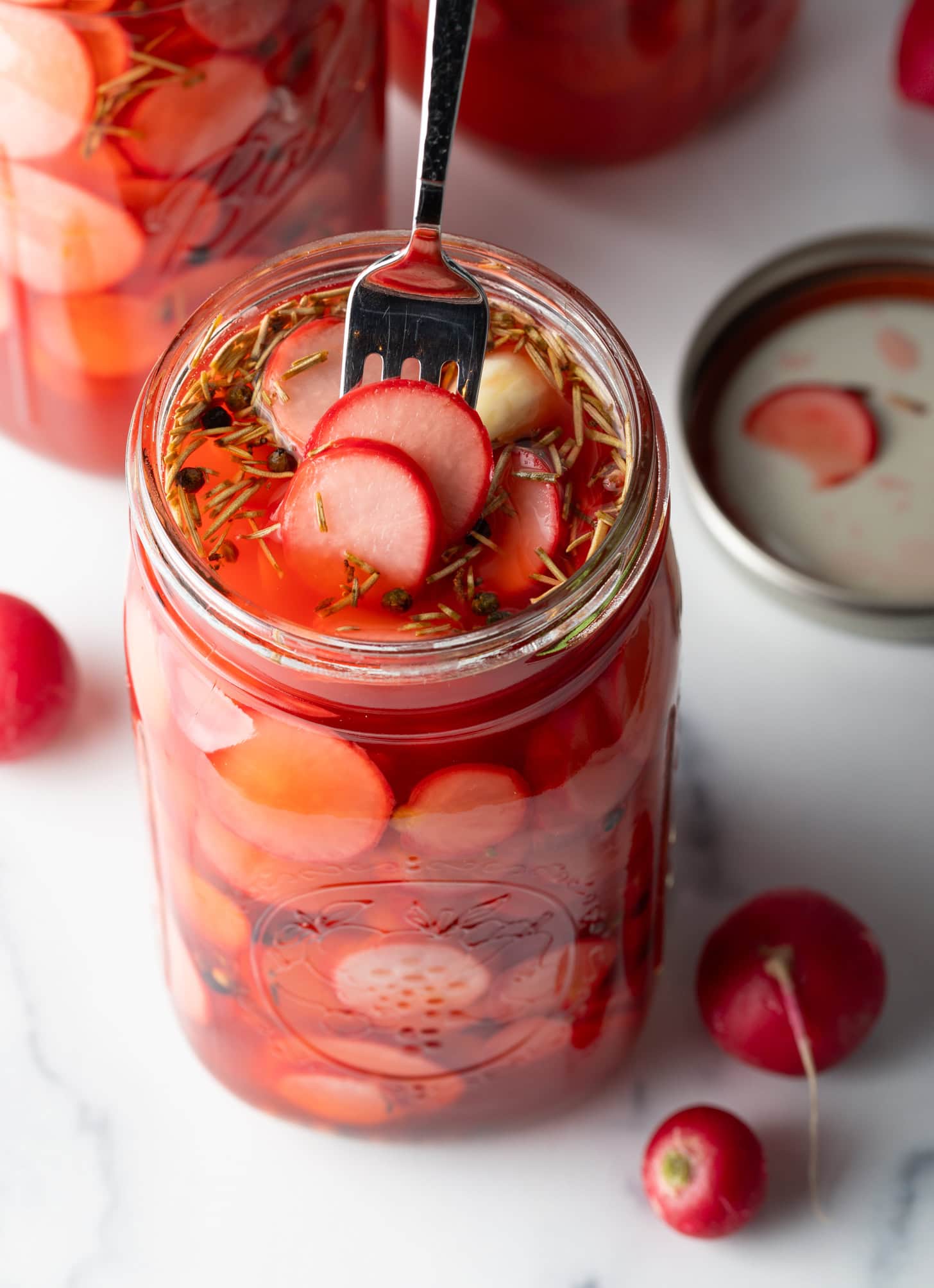
The Best radish pickling recipe
This recipe is perfect for pretty much any occasion, whether you’re meal prepping for the week or throwing together a last-minute appetizer for guests. The ingredients are basic—radishes, vinegar, sugar, salt—and you probably already have them in your pantry. Plus, radishes are packed with vitamin C and fiber, so you’re getting a little nutritional boost without even trying. The best part? They keep for weeks in the fridge, so you can make a big batch and have them on hand whenever you need a quick pop of flavor. It’s one of those recipes that feels like a small win every time you open the jar.
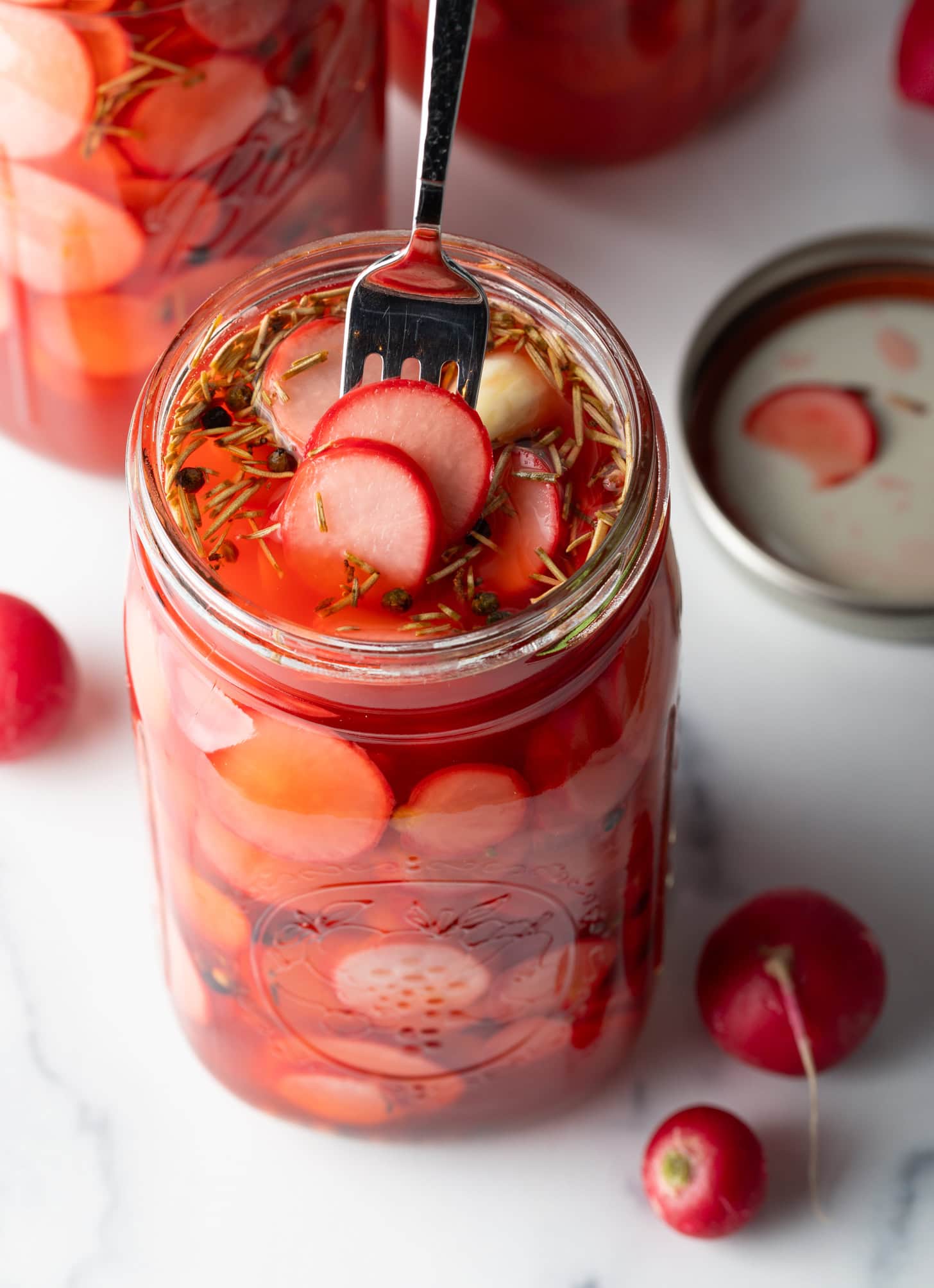
Quick-Pickled Radishes
Crisp, tangy, and slightly spicy, these quick-pickled radishes are the perfect condiment for tacos, sandwiches, or salads. Ready in under an hour, they add a vibrant pop of color and flavor to any dish.
🥘Ingredients
- 1 cup apple cider vinegar
- 1 cup water
- 1 tbsp granulated sugar
- 1 tbsp kosher salt
- 1 tsp black peppercorns
- 1 tsp mustard seeds (optional)
- 1 tsp red pepper flakes (optional, for heat)
- 1 bunch (about 12 oz) radishes, thinly sliced
- 1 small red onion, thinly sliced (optional)
👨🍳Directions
-
1
In a medium saucepan, combine the apple cider vinegar, water, sugar, salt, peppercorns, mustard seeds, and red pepper flakes (if using). Bring to a boil over medium heat, stirring until the sugar and salt dissolve. -
2
While the brine heats, thinly slice the radishes and red onion (if using) and place them in a clean mason jar or airtight container. -
3
Once the brine reaches a boil, remove it from the heat and carefully pour it over the radishes and onions, ensuring they are fully submerged. -
4
Let the mixture cool to room temperature, then seal the jar or container and refrigerate for at least 30 minutes before serving. For best flavor, let the radishes pickle for at least 2 hours or up to 2 weeks.
🔧Equipment
- Medium saucepan
- Mixing bowl
- Mason jar or airtight container
- Knife and cutting board
- Measuring spoons
📊Nutrition Facts (per serving)
📝Notes
Watch Video Of How Quick-Pickled Radishes Works
❓ Frequently Asked Questions About Quick-Pickled Radishes
1. How long do pickled radishes need to sit before they’re ready to eat?
Pickled radishes taste best after at least 24 hours in the fridge, as this gives the flavors time to develop. However, you can enjoy them after just 1–2 hours if you prefer a milder, crunchier bite. For the strongest flavor, wait 3–5 days before eating.
2. Can I use a different type of vinegar for pickling radishes?
Yes! While rice vinegar is traditional for its mild, slightly sweet taste, you can substitute it with apple cider vinegar, white vinegar, or white wine vinegar. Keep in mind that stronger vinegars (like white vinegar) may result in a sharper flavor, so you might want to dilute them with a little water or add a touch of sugar to balance the acidity.
3. How long do pickled radishes last in the refrigerator?
When stored in an airtight container in the fridge, pickled radishes will stay fresh for 3–4 weeks. If you notice any off smells, cloudiness, or slimy texture, discard them immediately. For longer storage, consider canning them using a proper water bath method (they’ll last up to a year unopened).
4. Why are my pickled radishes turning soft or mushy?
Soft pickled radishes usually result from one of these issues:
– Over-processing: Slicing them too thin or overcooking them in the brine can make them limp.
– Old radishes: Use fresh, firm radishes for the best texture.
– Not enough salt or acid: Ensure your brine has the right balance of vinegar and salt to preserve crispness.
– Storage temperature: Always refrigerate them promptly after pickling.
For extra crunch, soak the radish slices in ice water for 10–15 minutes before pickling or add a grape leaf or tannin-rich ingredient (like black tea) to the jar.
5. Can I reuse the pickling brine for another batch?
You can reuse the brine once for a fresh batch of radishes (or other vegetables like cucumbers or carrots), but it’s best to use it within a week. The brine loses acidity and flavor with each use, so avoid reusing it more than once. If you notice any mold, cloudiness, or off smells, discard it immediately. For safety, always bring the brine to a boil before reusing to kill any bacteria.