guatemalan food recipe

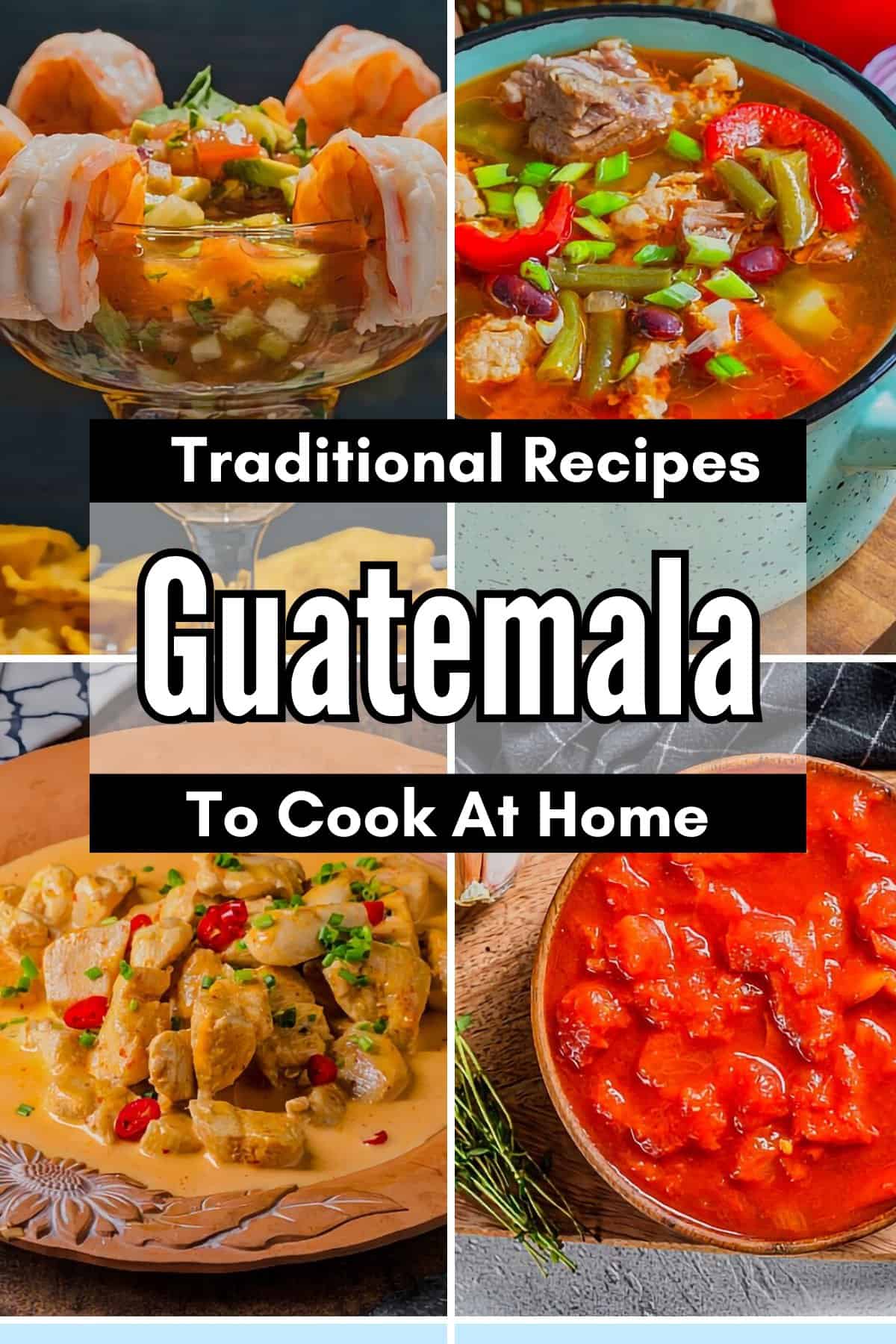
The Best guatemalan food recipe
What I love most about pepián is how versatile it is. You can make it with chicken, beef, or even pork, and it works just as well for a weeknight dinner as it does for a weekend gathering. My kids adore it, especially when I serve it with warm tortillas or fluffy white rice—it’s one of those dishes that somehow pleases everyone, from the pickiest eater to the most adventurous. Plus, it’s packed with protein and nutrients from the vegetables and spices, so I feel good about serving it regularly. The best part? The leftovers taste even better the next day, which is always a win in my book.
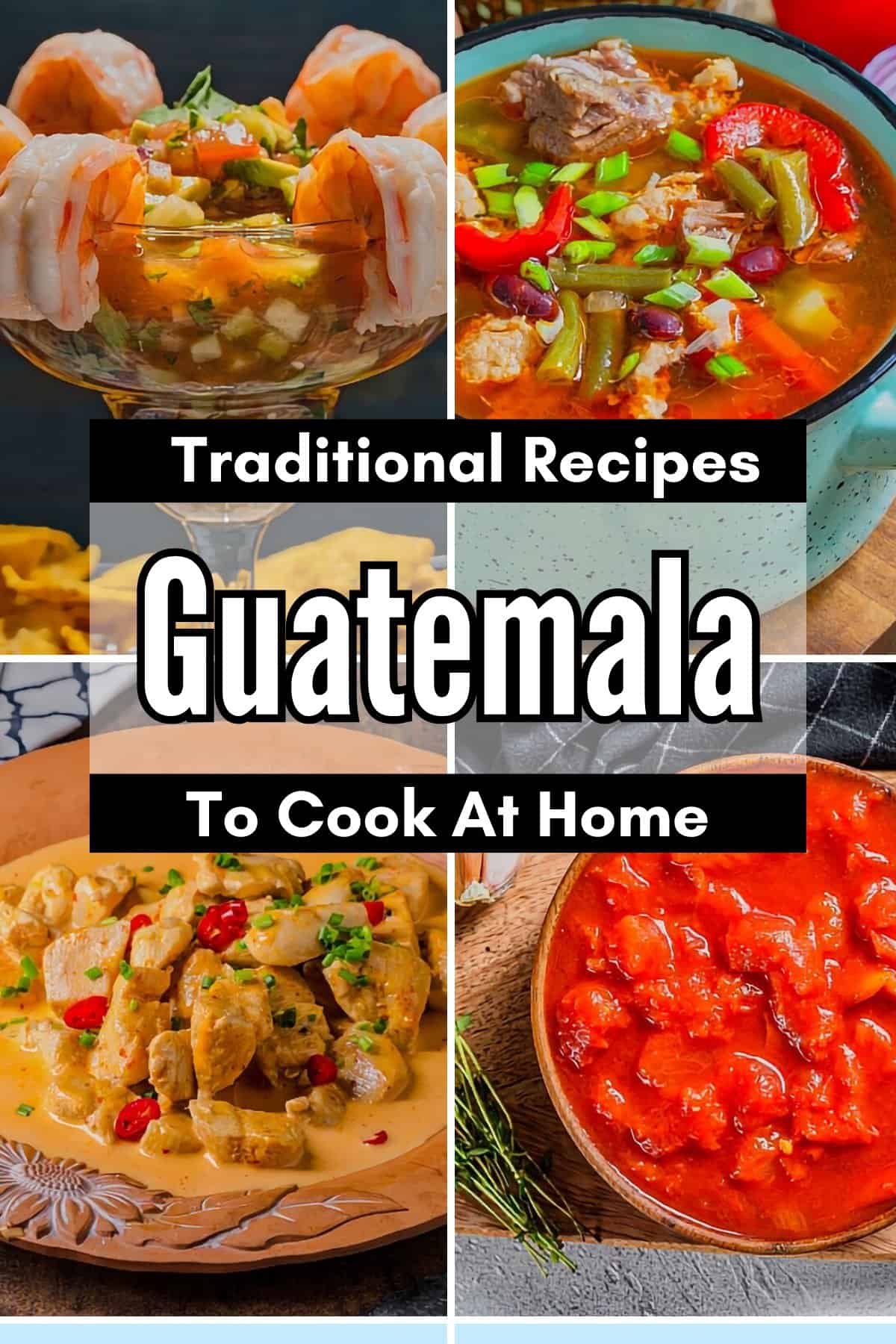
Pepián de Pollo (Guatemalan Chicken Stew)
A rich and flavorful traditional Guatemalan stew featuring tender chicken in a complex, spiced sauce made with pumpkin seeds, sesame seeds, and tomatoes. This dish is often served at celebrations and family gatherings.
🥘Ingredients
- 2 lbs chicken thighs and drumsticks
- 1 tsp salt
- 1/2 tsp black pepper
- 1 tbsp vegetable oil
- 1/2 cup pumpkin seeds (pepitas)
- 1/4 cup sesame seeds
- 1/2 cup dried guajillo or ancho chiles (stemmed and seeded)
- 1/2 cup tomatoes, chopped
- 1/2 cup tomatillos, husked and chopped
- 1 small onion, quartered
- 3 garlic cloves
- 1 small corn tortilla, torn into pieces
- 1 tsp ground cumin
- 1 tsp ground coriander
- 1/2 tsp ground cinnamon
- 1/4 tsp ground cloves
- 3 cups chicken broth
- 2 tbsp vegetable oil
- Salt to taste
- White rice, cooked
- Fresh cilantro, chopped
- Lime wedges
👨🍳Directions
-
1
Season the chicken with salt and pepper. Heat 1 tbsp of vegetable oil in a large pot over medium-high heat. Brown the chicken on all sides, about 5 minutes per side. Remove the chicken and set aside. -
2
In a dry skillet over medium heat, toast the pumpkin seeds and sesame seeds until lightly golden and fragrant, about 3-4 minutes. Remove from heat and set aside. -
3
In the same skillet, toast the dried chiles for about 1 minute until fragrant. Soak them in hot water for 10 minutes to soften. -
4
In a blender or food processor, combine the toasted seeds, soaked chiles, tomatoes, tomatillos, onion, garlic, tortilla pieces, cumin, coriander, cinnamon, and cloves. Blend until smooth, adding a little chicken broth if needed. -
5
Heat 2 tbsp of vegetable oil in the same pot over medium heat. Pour in the blended sauce and cook for 5 minutes, stirring frequently. -
6
Add the remaining chicken broth to the pot and stir well. Return the chicken to the pot, reduce heat to low, cover, and simmer for 30 minutes, stirring occasionally. -
7
Taste and adjust seasoning with salt if needed. Serve the pepián hot over white rice, garnished with chopped cilantro and lime wedges.
🔧Equipment
- Large pot or Dutch oven
- Blender or food processor
- Skillet
- Mixing bowls
- Wooden spoon
- Measuring cups and spoons
📊Nutrition Facts (per serving)
📝Notes
Watch Video Of How Pepián de Pollo (Guatemalan Chicken Stew) Works
❓ Frequently Asked Questions About Pepián de Pollo (Guatemalan Chicken Stew)
1. What are the most popular traditional Guatemalan dishes?
Guatemala has a rich culinary tradition with many beloved dishes. Some of the most popular include:
– Pepián – A hearty stew made with meat (chicken, beef, or pork), vegetables, and a rich, spiced sauce.
– Kak’ik – A Mayan turkey soup with a distinctive red color from achiote and chili peppers.
– Tamales – Steamed corn dough filled with meats, sauces, and vegetables, wrapped in banana leaves or corn husks.
– Chiles Rellenos – Poblano peppers stuffed with meat and vegetables, then battered and fried.
– Atol – A warm, thick drink made from corn, rice, or oats, often flavored with cinnamon or chocolate.
2. What makes Guatemalan tamales different from Mexican tamales?
Guatemalan tamales differ from Mexican tamales in several ways:
– Dough (Masa): Guatemalan tamales use a finer, smoother corn dough, often mixed with lard or butter.
– Fillings: They typically include a recado (sauce) made from tomatoes, tomatillos, and spices, along with meats like chicken or pork.
– Wrapping: Guatemalan tamales are usually wrapped in banana leaves, giving them a distinct flavor, while Mexican tamales often use corn husks.
– Varieties: Guatemala has regional variations, such as tamales colorados (red from achiote) and tamales negros (dark from chocolate and spices).
3. What is the key ingredient in Pepián, and how is it prepared?
The key ingredient in Pepián is its signature sauce, made from a blend of roasted seeds, spices, and vegetables. The main components include:
– Pumpkin seeds (pepitas) – Roasted and ground for a nutty flavor.
– Sesame seeds – Adds depth and richness.
– Tomatoes and tomatillos – Provide a tangy base.
– Spices – Such as cinnamon, cumin, and achiote for color and warmth.
– Meat – Typically chicken, beef, or pork, slow-cooked in the sauce.
The sauce is blended into a thick, velvety consistency and simmered with the meat until tender. It’s often served with rice and tortillas.
4. Are Guatemalan dishes spicy?
Guatemalan cuisine is flavorful but not always spicy. While some dishes use chili peppers, the heat level is usually mild to moderate. Key points:
– Achiote and chili peppers (like guajillo or pasilla) are common but used more for color and depth than intense heat.
– Kak’ik is one of the spicier dishes, featuring a fiery red broth from chili and spices.
– Many dishes balance heat with sweet, savory, or herbal flavors (e.g., chocolate in mole or cinnamon in atol).
– If you’re sensitive to spice, you can often adjust the heat by reducing chili peppers in recipes.
5. What is a typical Guatemalan breakfast?
A traditional Guatemalan breakfast is hearty and often includes:
– Desayuno Chapín – A classic combo of scrambled eggs, black beans, fried plantains, fresh cheese, and tortillas.
– Huevos a la Rancheros – Fried eggs served with tomato sauce, tortillas, and sometimes avocado.
– Atol de Elote – A sweet corn-based drink, often paired with tamales or bread.
– Plátanos en Mole – Sweet plantains cooked in a chocolate-cinnamon sauce.
– Coffee – Guatemala is famous for its high-quality coffee, often served strong and black.
Breakfasts are usually filling, with a mix of proteins, carbs, and fresh ingredients to start the day.